14 Pet-Safe Houseplants for Homes with Cats and Dogs
A pet-safe label on a plant tag is only as good as the list behind it. Every plant here is listed as non-toxic to both cats and dogs by the ASPCA, the group that runs the Animal Poison Control Center in the US. We checked each one against that list and left out anything that was unclear.
Here is what non-toxic means and what it does not. It means the plant is not known to poison a cat or dog. It does not mean the plant is food or good to eat. A pet that chews a lot of any leaf can still vomit or get an upset stomach, and tough leaves can be rough on a mouth. If your pet eats plants often, keep even these out of reach. If a pet seems unwell after chewing anything, call your vet or the ASPCA poison line.
How we picked: Only plants the ASPCA lists as non-toxic to both cats and dogs made the cut, with a mix of easy and fussier picks for different rooms.
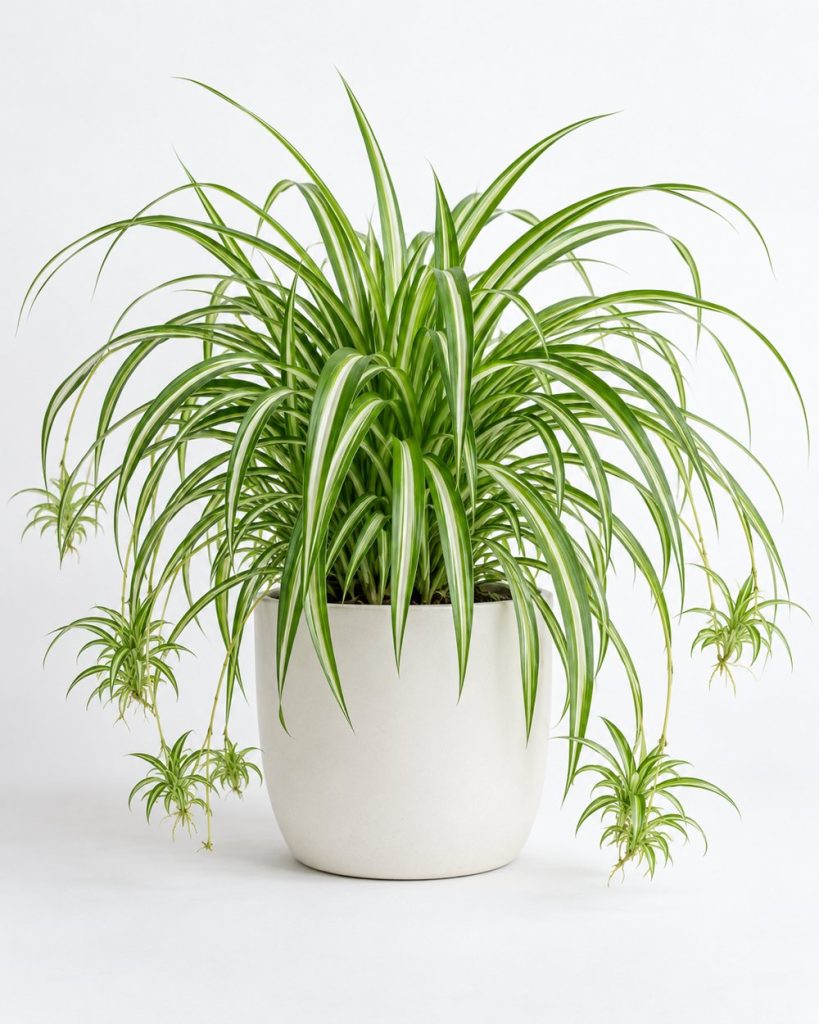
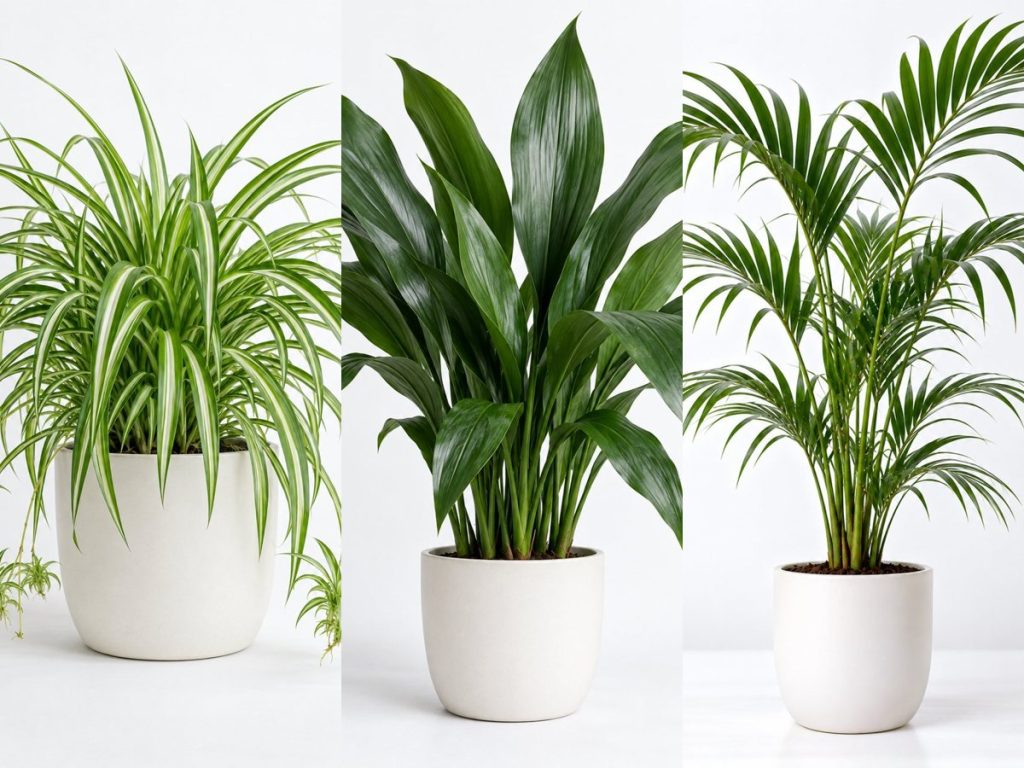
1.Spider Plant
Chlorophytum comosumCats tend to love this one, and that is both the good news and the problem. The plant is non-toxic, but a cat can chew it down to stubs. Hang it high and let the baby plants dangle out of paw reach, or accept a slightly ragged plant.
Read the full care guide →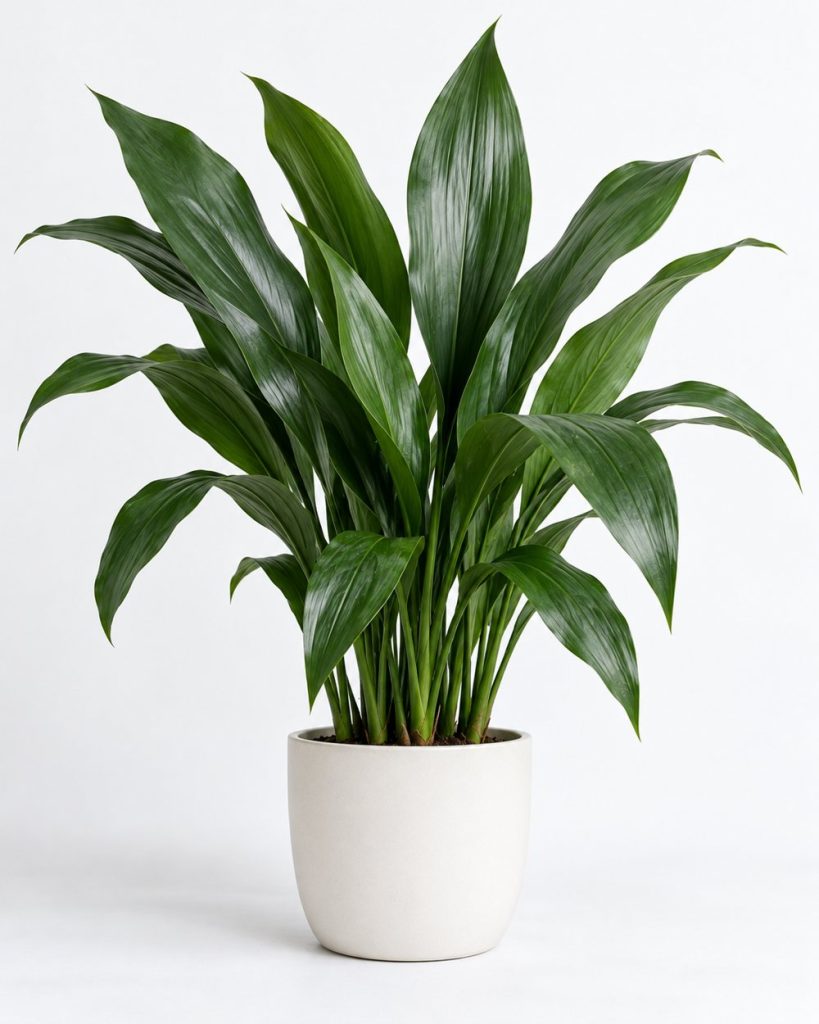
2.Cast Iron Plant
Aspidistra elatiorFor a dark hallway in a pet home, there is little else to choose. It handles deep shade and cool rooms, and its tough leaves do not tempt many pets. It is slow, so a big one costs more. Wipe dust off the leaves every month or two so they catch what light there is.
Read the full care guide →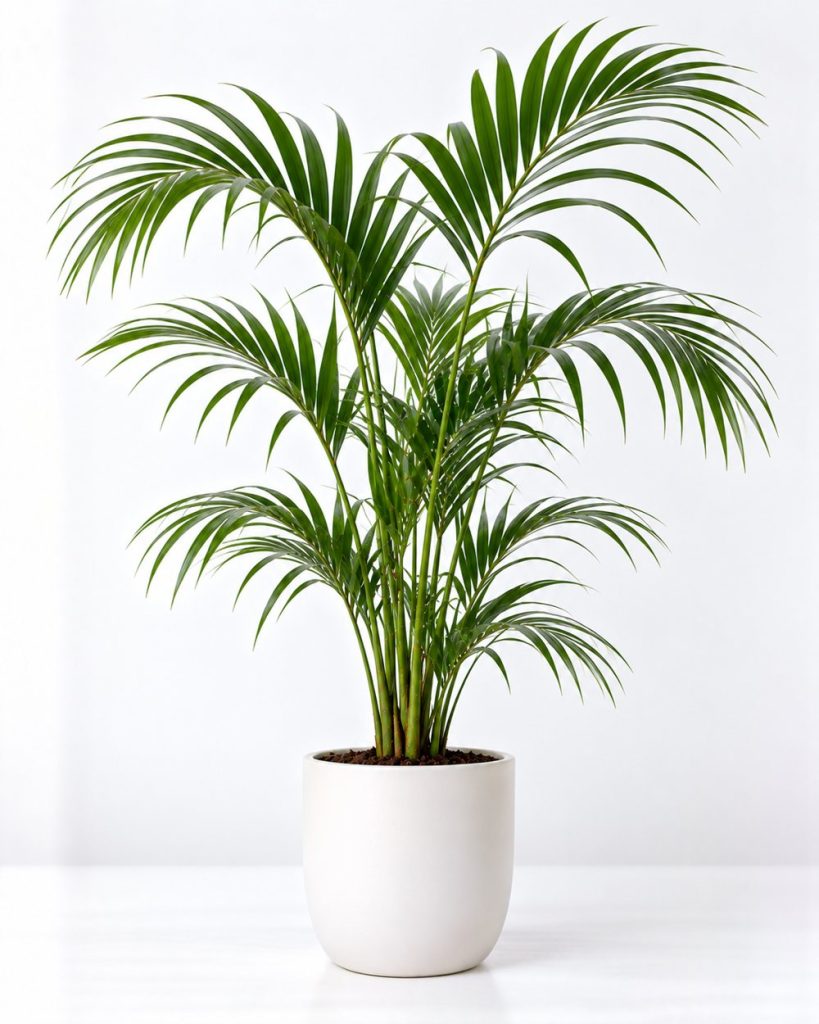
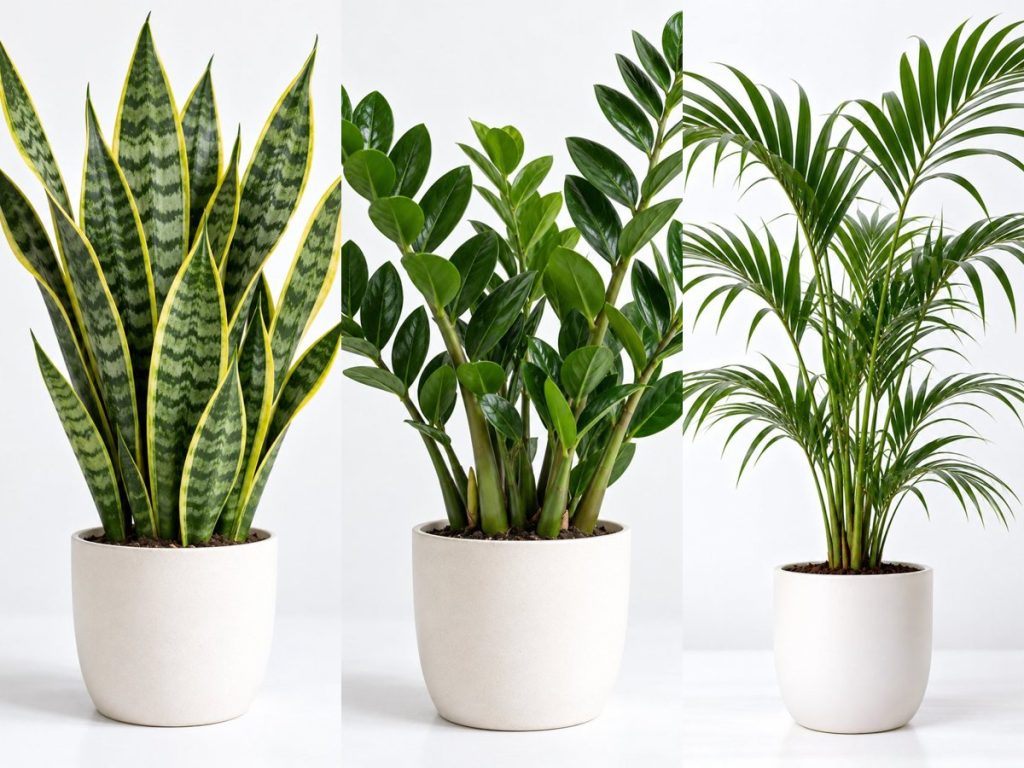
3.Kentia Palm
Howea forsterianaIf you want a tall plant and own a cat, this palm is one of the safest big choices. The ASPCA lists it as non-toxic, and it copes with dim rooms. Chewed fronds may still cause a mild upset stomach. Its slow growth means a damaged frond takes a long time to replace.
Read the full care guide →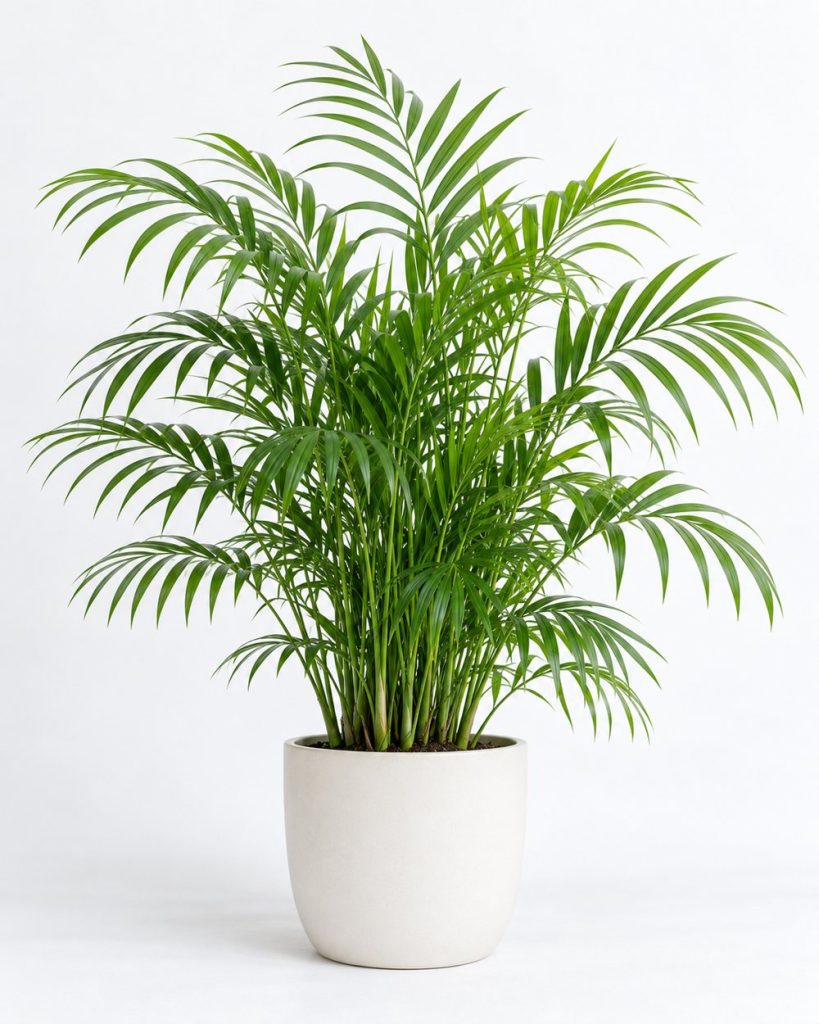
4.Parlor Palm
Chamaedorea elegansA palm that is safe and does not need a sunny window. It suits a shady corner where the dog naps. Feathery fronds can tempt a cat to bat and chew, though, and this palm cannot replace what it loses. Each stem that gets chewed off is gone for good.
Read the full care guide →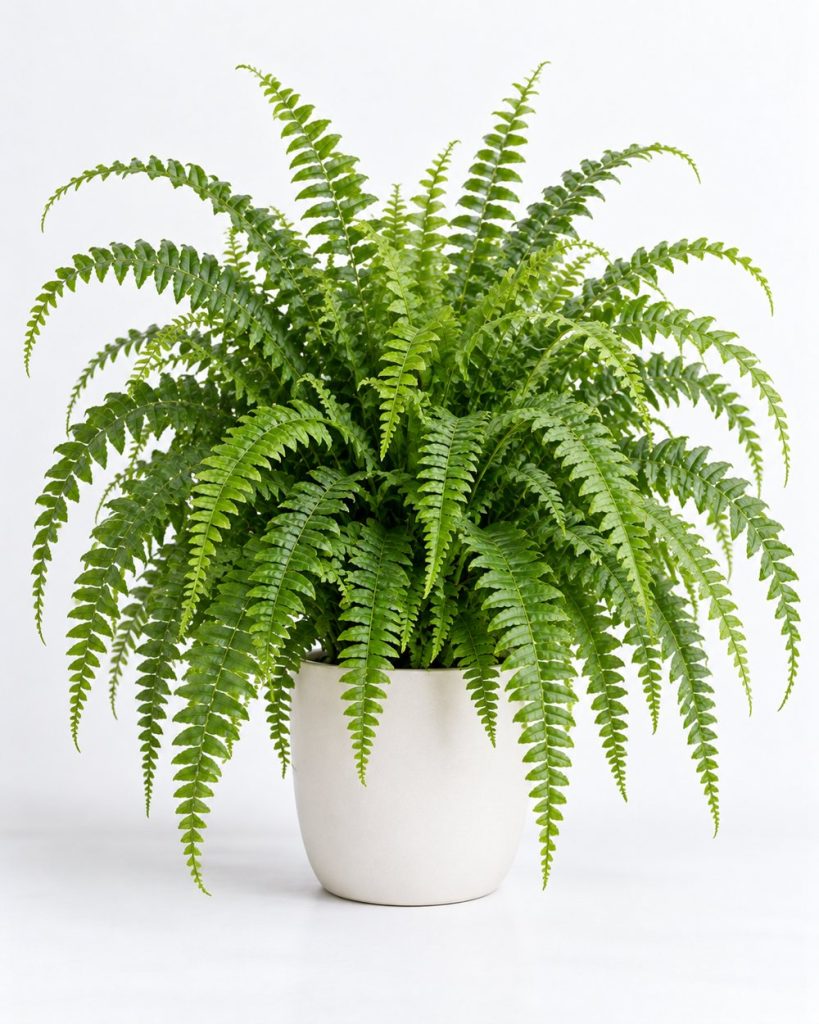
5.Boston Fern
Nephrolepis exaltataHang it in a bright bathroom or kitchen and you get a full, soft fern that is safe if a cat takes a bite. Up near the ceiling, it is out of the way, too. It needs steady water and damp air, and dropped leaflets mean sweeping. It is not for a dry, dim room.
Read the full care guide →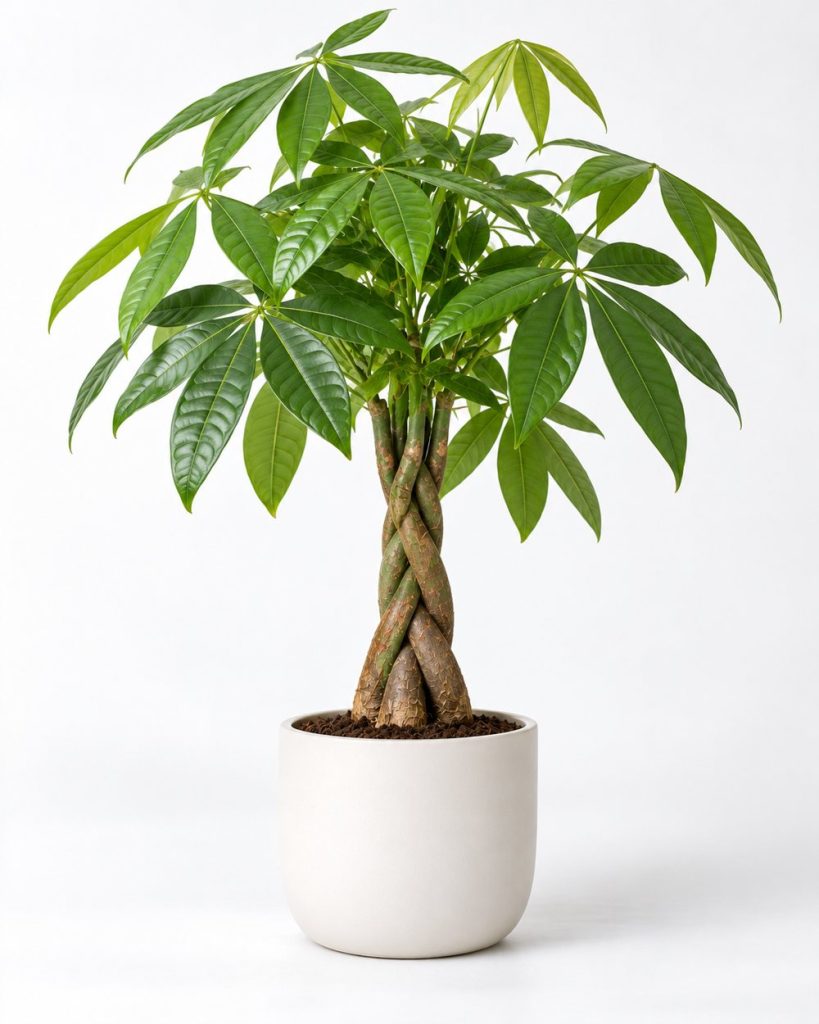
6.Money Tree
Pachira aquaticaMany pet owners want a real tree shape, and this is one of the few safe ones on our site. It grows to 3 to 6 feet in bright indirect light. Wet soil is its weak spot. Root rot can kill one stem of the braid while the rest look fine.
Read the full care guide →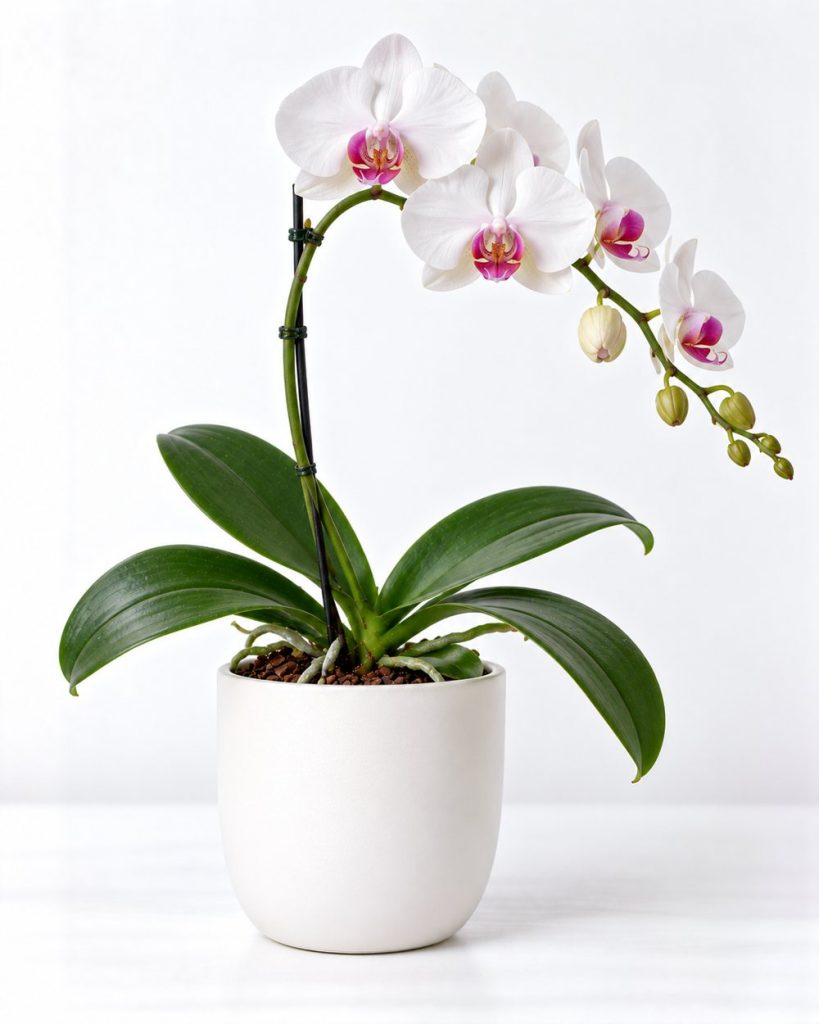
7.Moth Orchid
Phalaenopsis spp.Plenty of gift plants are risky around pets, but the moth orchid is on the ASPCA non-toxic list. One flower spike can last for months by an east window. The learning curve is the bark. It wants a soak and a full drain about weekly, not a little water every day.
Read the full care guide →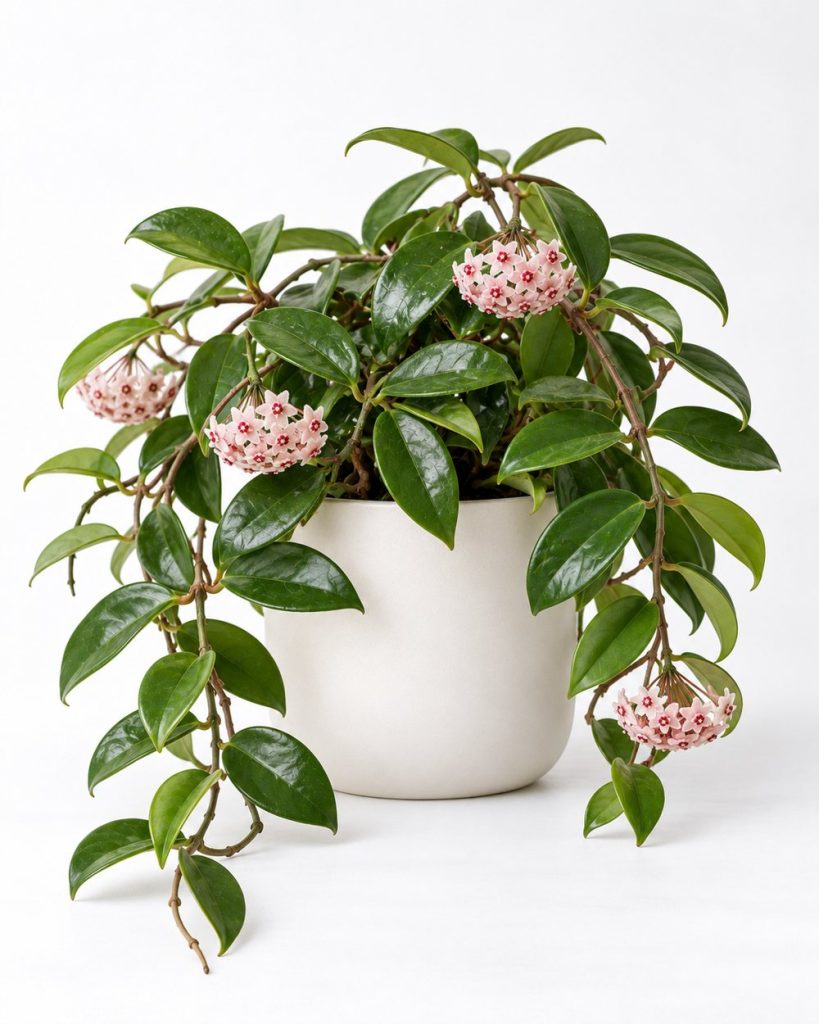
8.Hoya Carnosa
Hoya carnosaWant flowers and a vine in a pet home? Hoya gives you both, with sweet-smelling clusters once the plant is a few years old. Its thick leaves handle a missed watering. Plan for patience, and for the sticky nectar that can drip below a blooming plant.
Read the full care guide →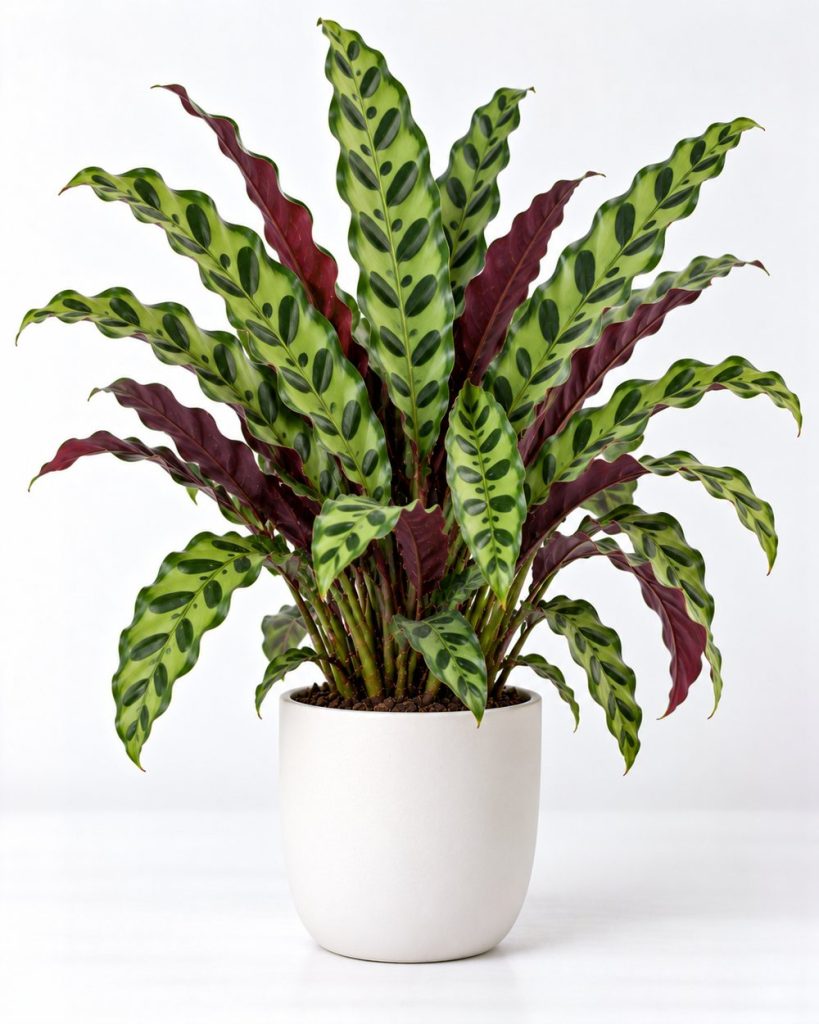
9.Rattlesnake Plant
Goeppertia insignisCalatheas are a good way to get bold patterns in a pet home, and this is the easiest of the bunch. Wavy leaves with purple undersides stand about 1.5 to 2 feet tall. It does ask for humid air, 50 percent or more, and soil that stays evenly damp, so a dry radiator room is a poor match.
Read the full care guide →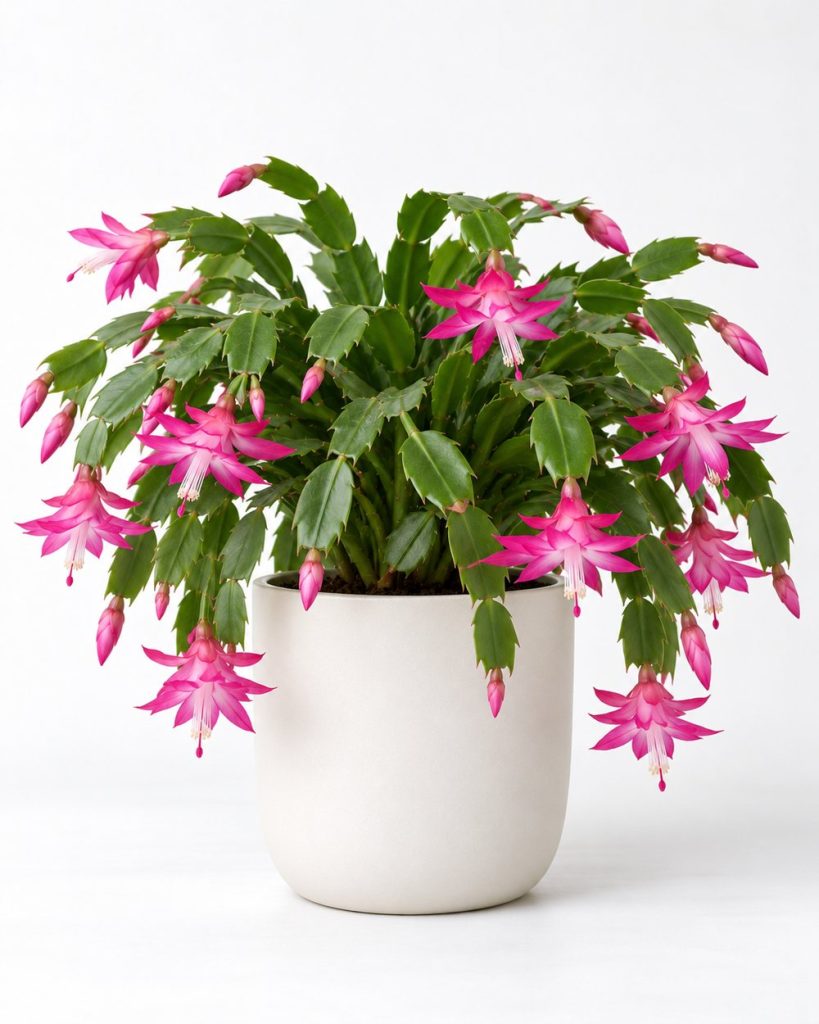
10.Christmas Cactus
Schlumbergera × buckleyiA holiday plant that you do not have to hide from the cat. It has no sharp spines, despite the name, and it can live for decades. The tricky part is getting it to bloom again. It needs long, dark nights from early fall, so a room with an evening lamp may get no flowers.
Read the full care guide →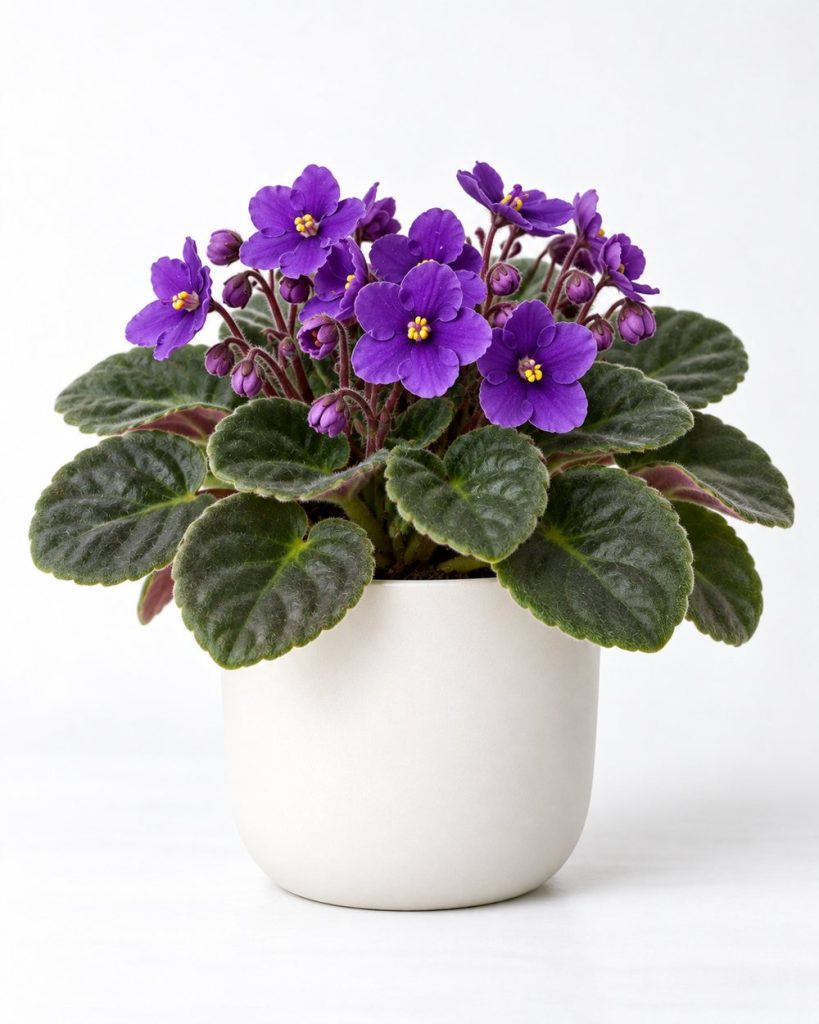
11.African Violet
Streptocarpus ionanthusSmall, safe, and in bloom for much of the year in the right light. Three or four plants fit on one sill. They ask for regular care, though. Water the soil, not the fuzzy leaves, and give them a bright window or a small grow light, or the flowers stop.
Read the full care guide →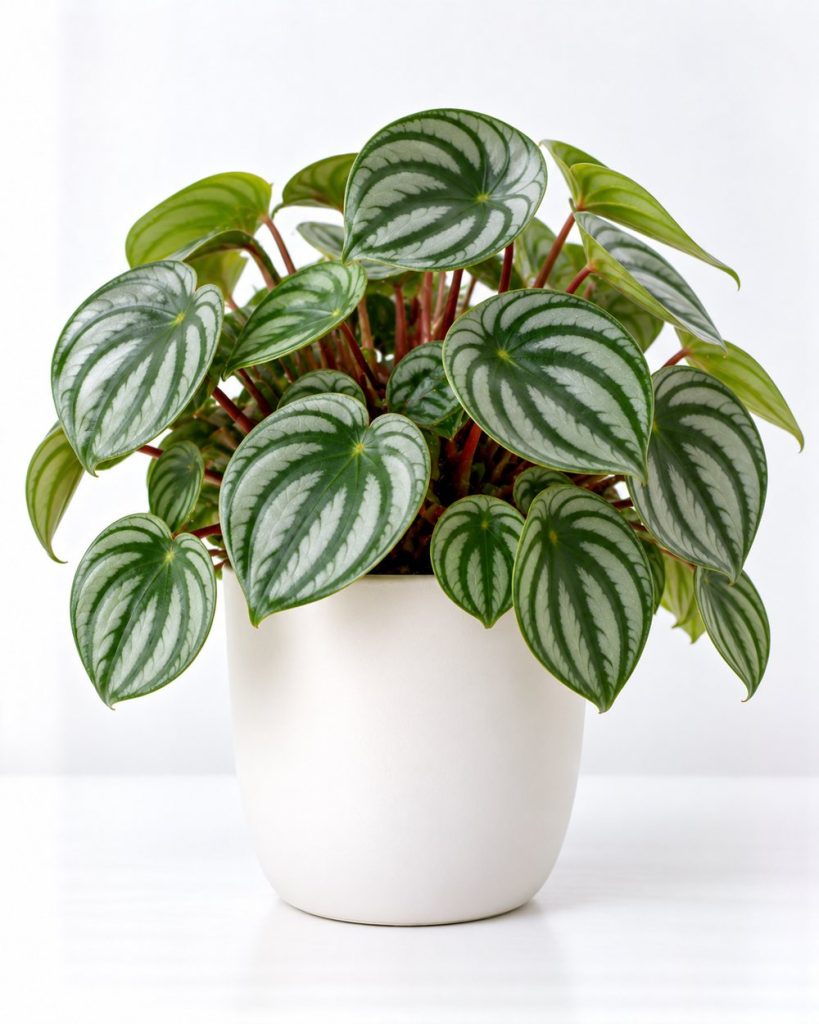
12.Watermelon Peperomia
Peperomia argyreiaSilver-striped round leaves make it the prettiest small plant here for a pet home. It stays 6 to 8 inches tall, so it fits a crowded sill. Nibbling may still cause mild vomiting. Direct afternoon sun bleaches the leaves, so keep it back from a west window.
Read the full care guide →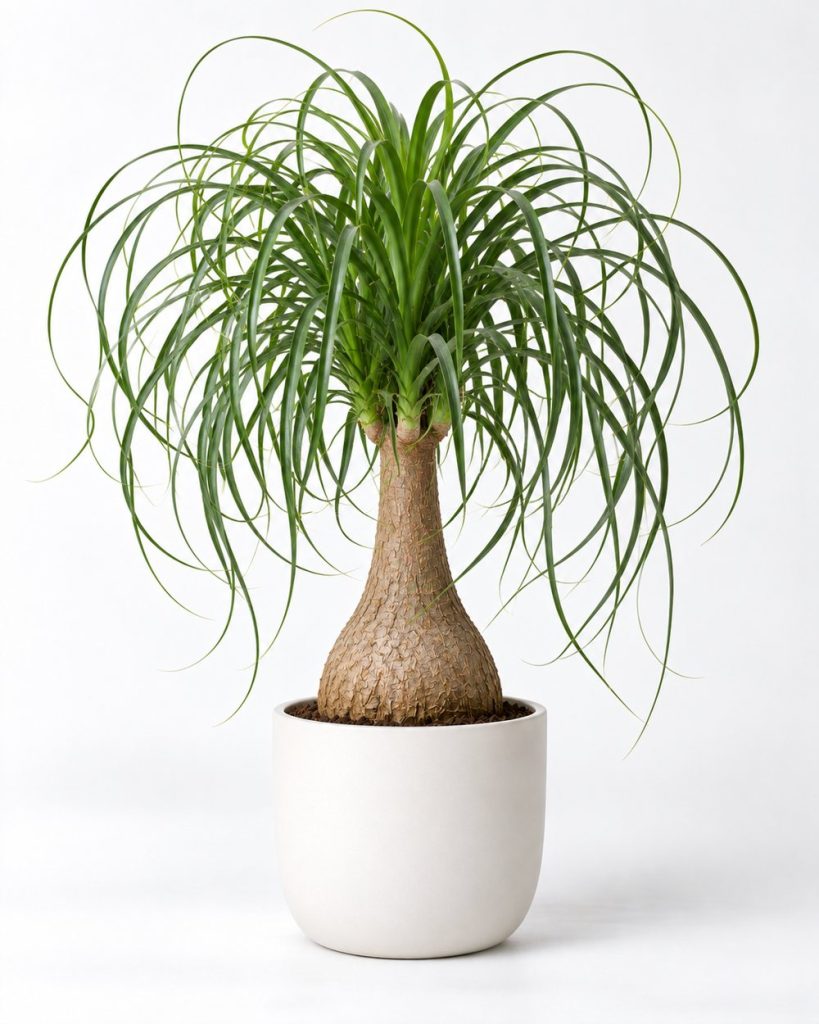
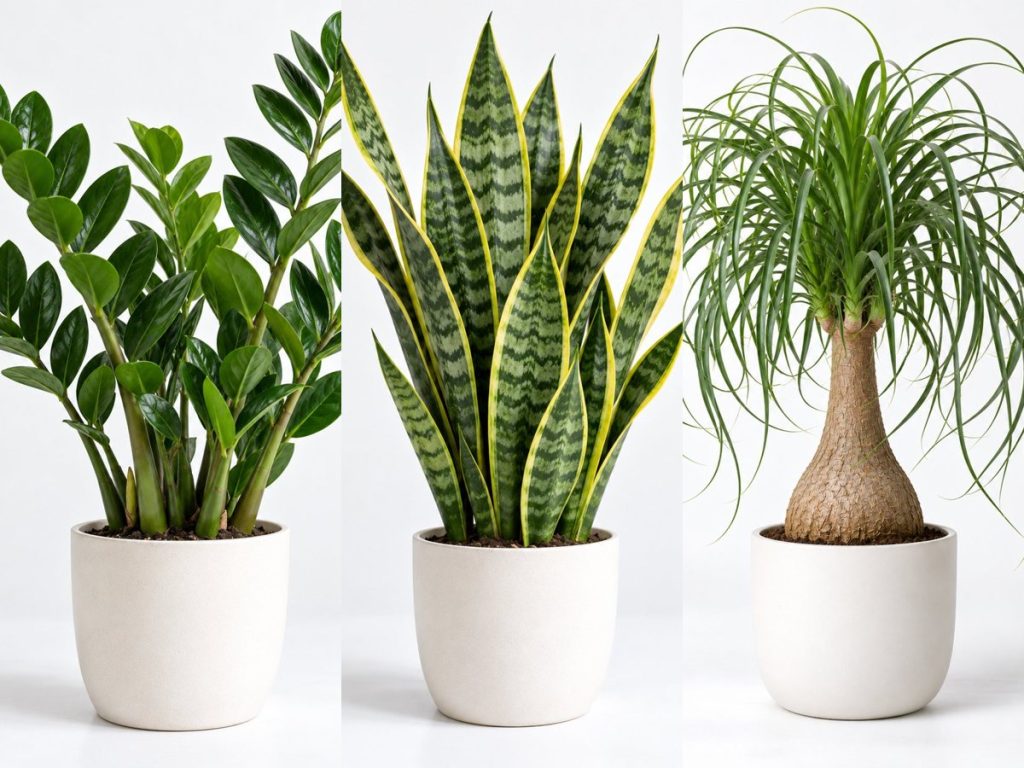
13.Ponytail Palm
Beaucarnea recurvataPet homes with a sunny window should look at this one. The ASPCA lists it as non-toxic, though the long curly leaves can attract a playful cat. It needs real sun and very little water. Give it too much and the swollen base turns soft, which is hard to fix.
Read the full care guide →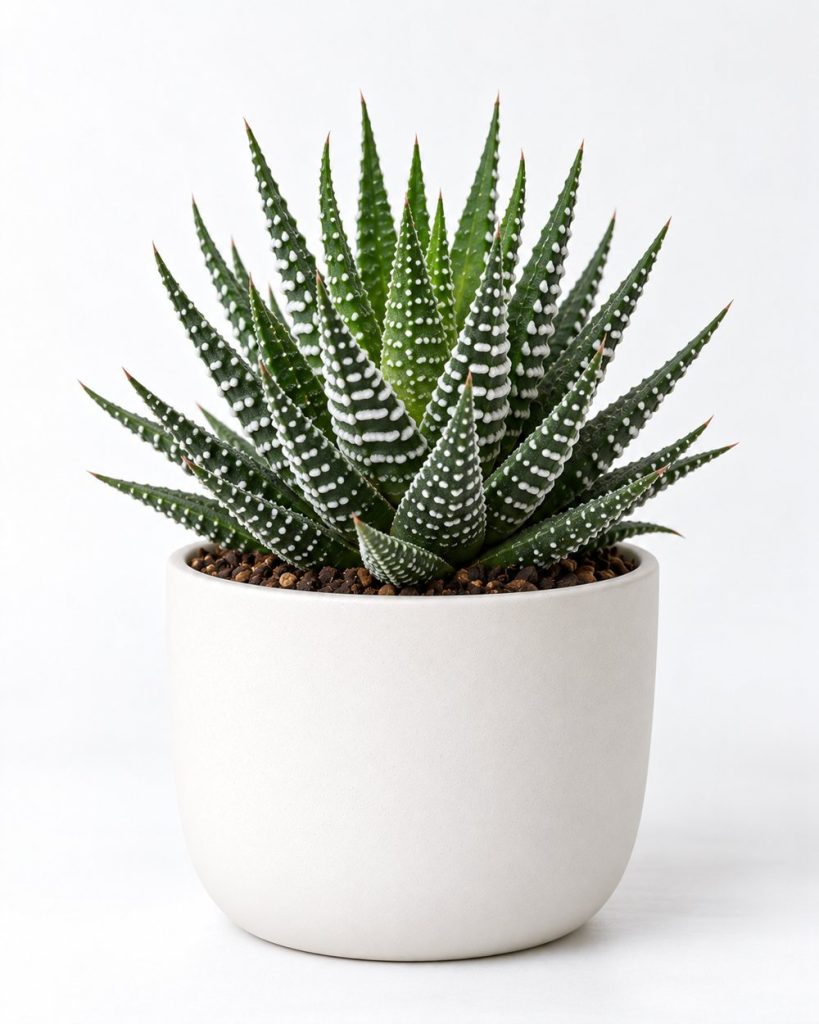
14.Haworthia
Haworthiopsis attenuataMost popular succulents, like jade and aloe, are toxic to pets. The zebra haworthia is a safe swap that fits on a desk. It copes with a bright spot without direct sun. It is small and very slow, so it will not fill much space. Let the soil dry fully between drinks.
Read the full care guide →One more step is worth the effort. Check the Latin name on the tag before you buy, since common names get mixed up. A peperomia sold as a baby rubber plant is non-toxic, while a real rubber plant is not. If the tag has no Latin name, look it up or ask the store. A quick check at the shop can save you a vet visit later.
Frequently asked questions
What should I do if my pet eats a toxic plant?
Call your vet or the ASPCA Animal Poison Control Center right away. Have the plant's name ready, or take a photo of it, and note how much your pet ate.
Are lilies safe for cats?
No. True lilies, such as Easter and tiger lilies, can cause kidney failure in cats, even from small amounts. The peace lily is not a true lily, but it is still toxic and burns the mouth.
Are all ferns safe for pets?
No. The Boston fern is non-toxic, but the asparagus fern is on the ASPCA toxic list. Check each plant by its Latin name instead of trusting the word fern.
Want a plant picked for you?
Take a plant quiz