12 Houseplants for Forgetful Waterers
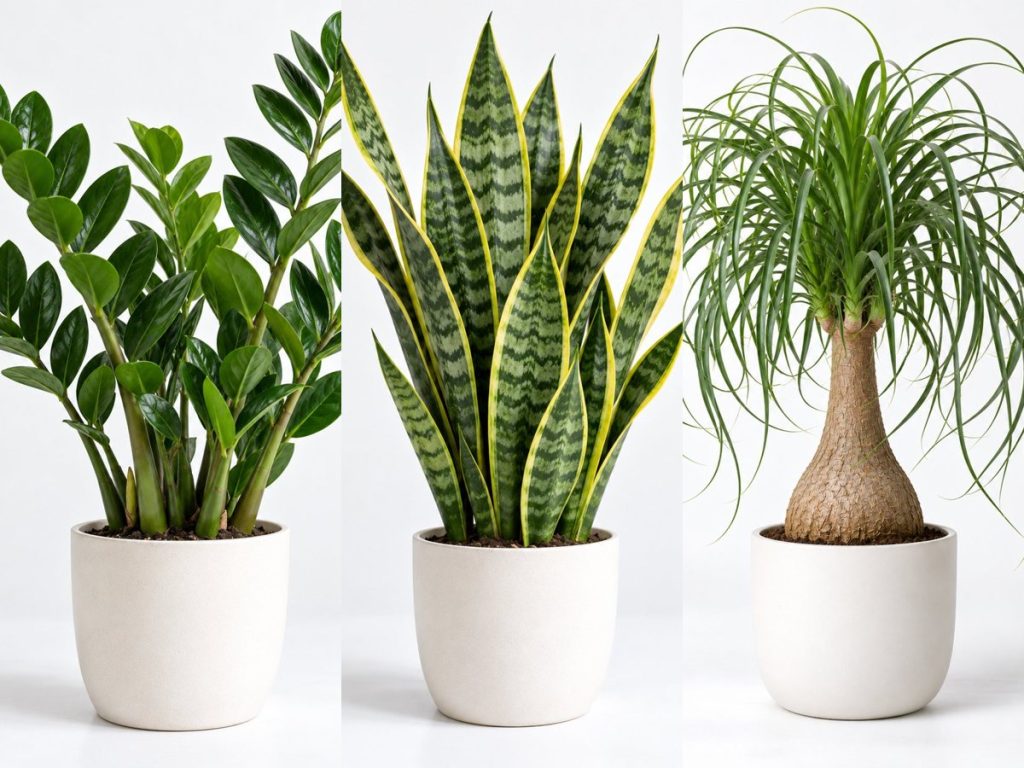
How long could your plants go if you left tomorrow? For a fern, a week is a stretch. For most plants below, two to four weeks is often fine, and some go longer in winter. They store water in thick leaves, swollen stems, or fat roots, which carries them through the dry spell.
There is a catch built into that. A plant made to store water hates soggy soil, so these plants punish the opposite mistake. Forget for a month, then water twice in one week to make up for it, and the roots can rot. The best routine is simple. Water deeply when the soil is dry, let the extra drain away, then leave it alone. Light matters here too. Plants in a sunny window dry out faster than the same plants in a dim room.
How we picked: Each plant is marked drought tolerant in our profiles and handles a skipped watering better than most houseplants.
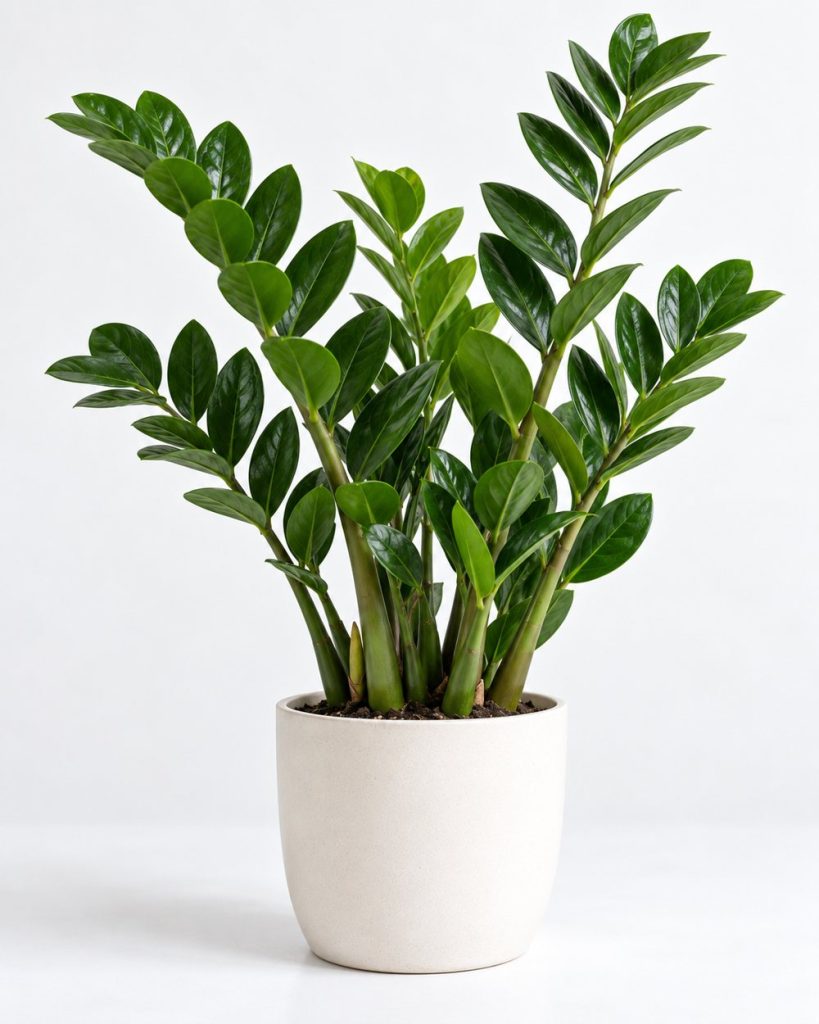
1.ZZ Plant
Zamioculcas zamiifoliaThe top pick if you travel a lot. Water stored under the soil can carry it through a month in a dim room. Because it hides stress so well, though, you may not spot a problem until weeks after it started. It is toxic to pets.
Read the full care guide →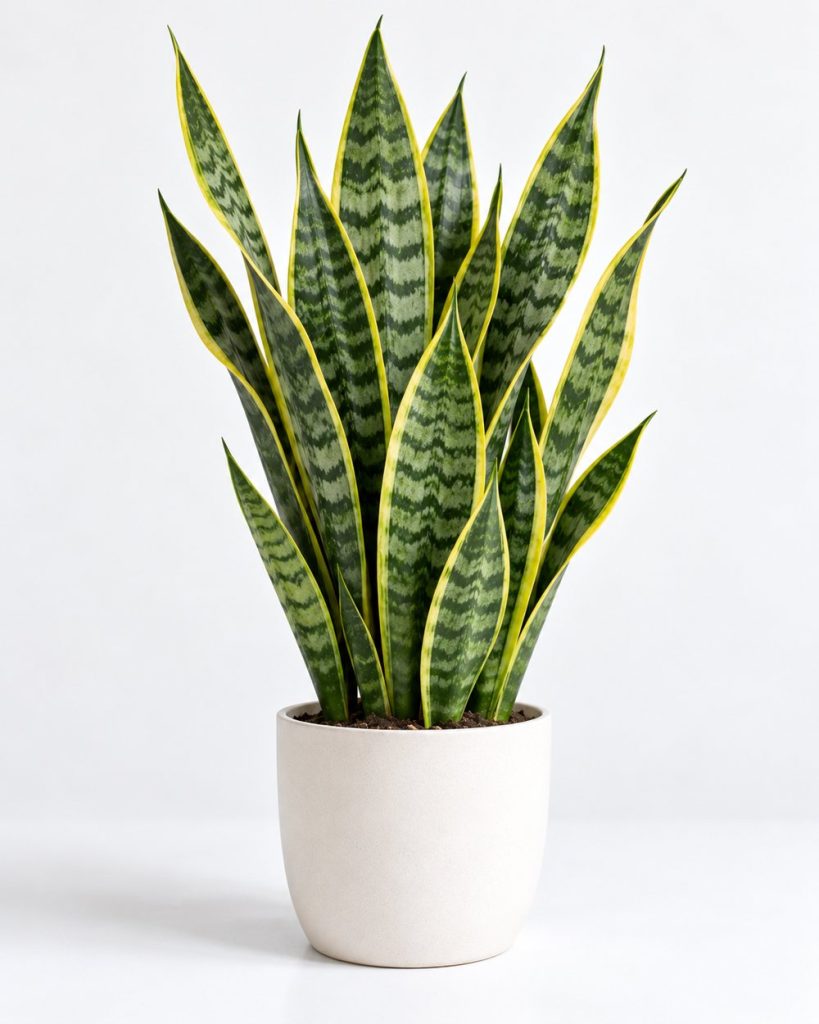
2.Snake Plant
Dracaena trifasciataIn a cool, dim room in winter, it may need water only every month or so. That makes it a natural fit for the forgetful. Just do not make up for lost time with extra drinks. A soggy base rots, and water left in the center of the leaves does the same.
Read the full care guide →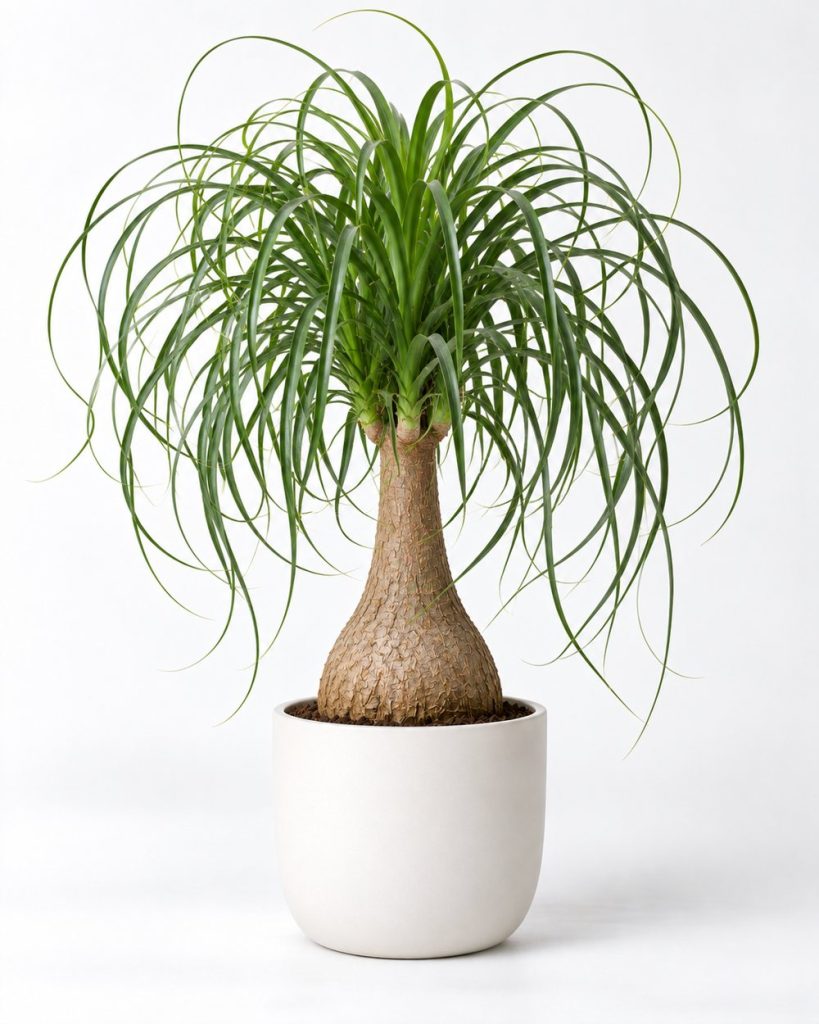
3.Ponytail Palm
Beaucarnea recurvataThat swollen base works like a water tank. A sunny window plus a deep drink every few weeks is often all it asks. It grows slowly and needs real sun, so it is not a dark corner plant. A bonus for pet homes: the ASPCA lists it as non-toxic.
Read the full care guide →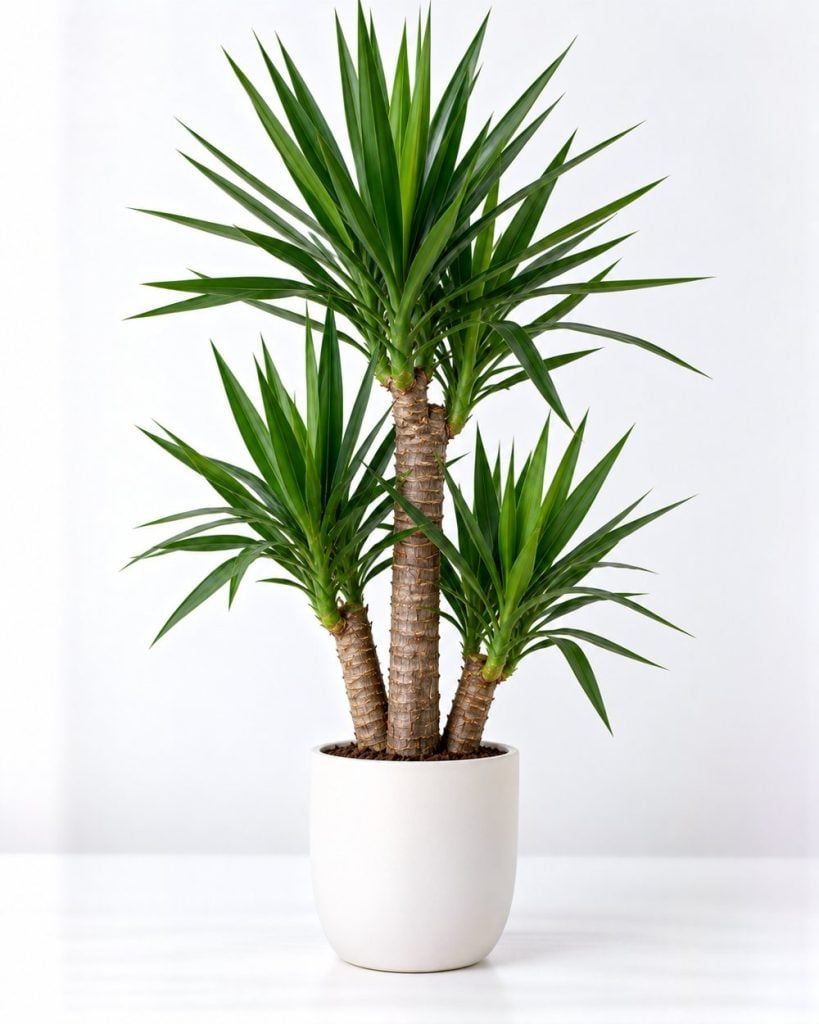
4.Yucca
Yucca giganteaPair this with a sunny window and it can go two or three weeks between drinks, often a month or more in winter. A dim room is the danger, since wet soil there rots the canes. The leaf tips are stiff and pointed, so keep it clear of a busy path. It is toxic to pets.
Read the full care guide →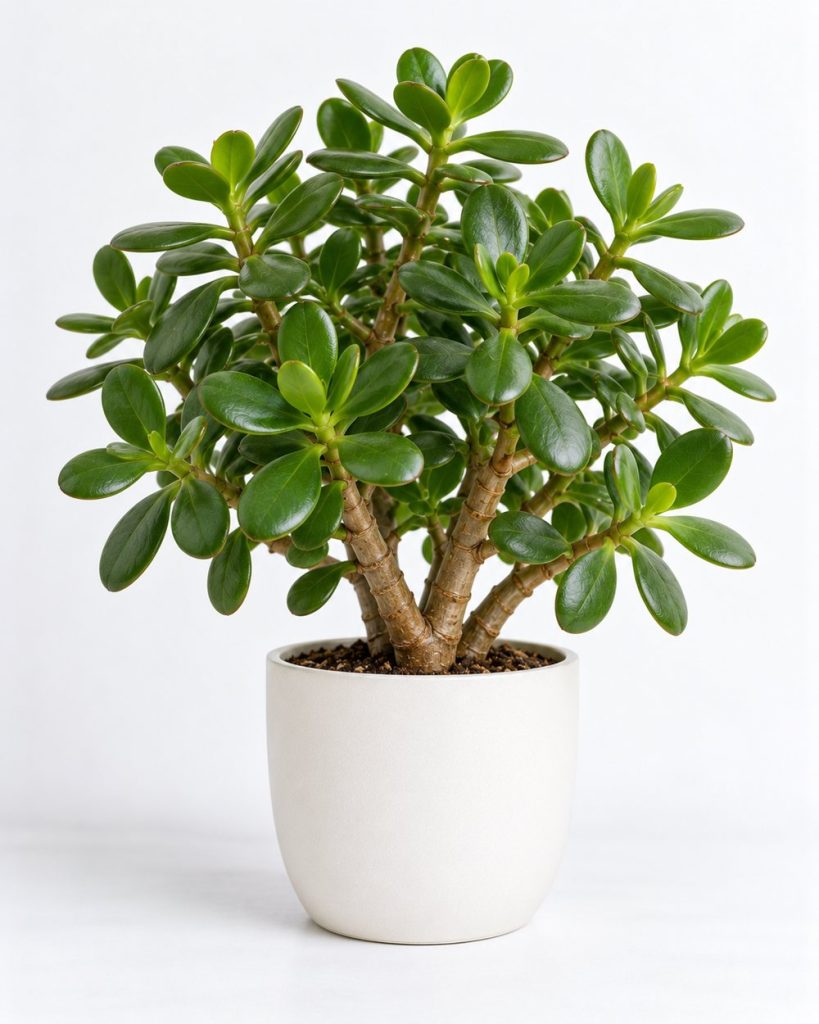
5.Jade Plant
Crassula ovataJade stores water in plump leaves and stems, so a few weeks off is no problem. Wrinkled leaves tell you it is finally thirsty. Give it a sunny sill and keep it away from pets. Most jades that die were watered too often, not too little.
Read the full care guide →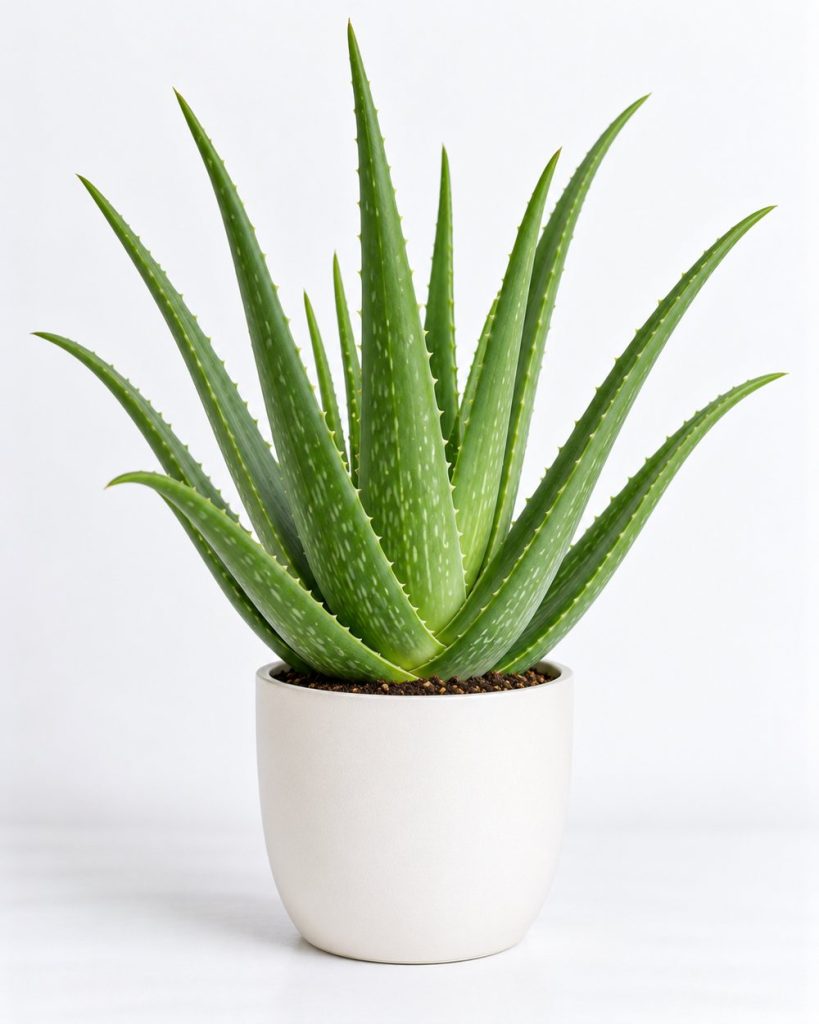
6.Aloe Vera
Aloe veraOnce a month in winter is a normal schedule for aloe. It wants the sunniest window you have, and the thick leaves hold water for weeks. Leaves that thin out and curl inward are its thirst signal. It is toxic to cats and dogs if chewed.
Read the full care guide →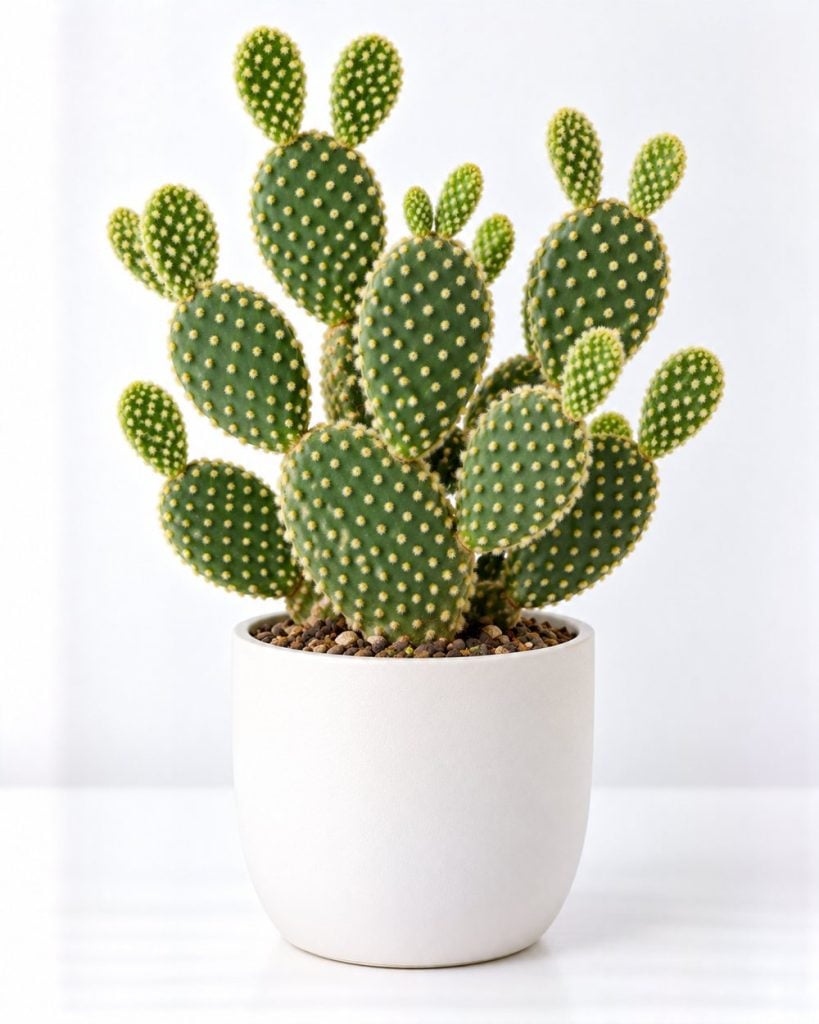
7.Bunny Ears Cactus
Opuntia microdasysFlat pads store water well, so summer drinks every two to four weeks and almost none in winter suit it fine. It needs the brightest window you have. Do not stroke it. The soft-looking dots are barbed bristles that lodge in skin, and they are hard to pick out.
Read the full care guide →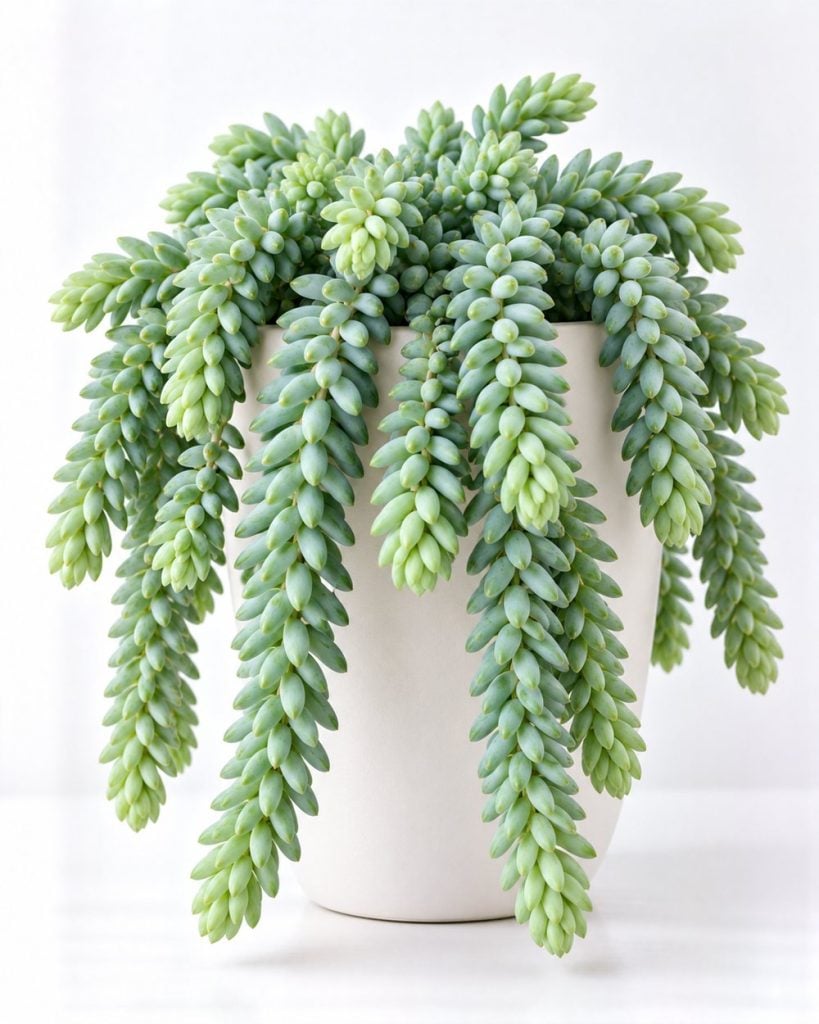
8.Burro's Tail
Sedum morganianumThese bead-covered tails want water only when the soil is dry right through, often two to four weeks apart. That makes it the lowest-effort trailer on the list, but you must leave it alone in other ways too. The leaves fall off when touched, so pick its spot once and stop moving it.
Read the full care guide →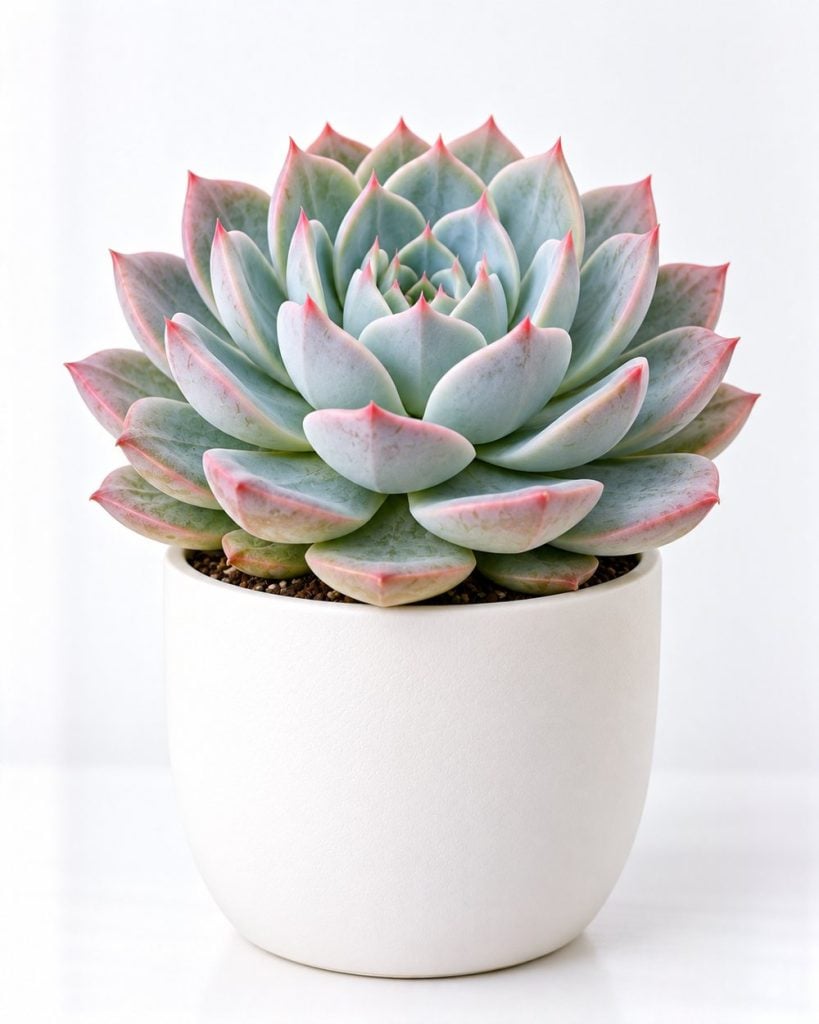
9.Echeveria
Echeveria spp.A rosette of fat leaves holds enough water for two or three weeks on a sunny sill. The risk for forgetful owners comes after the gap. Water poured into the center of the rosette sits there and rots it, so pour around the edge onto the soil. It needs four to six hours of direct sun.
Read the full care guide →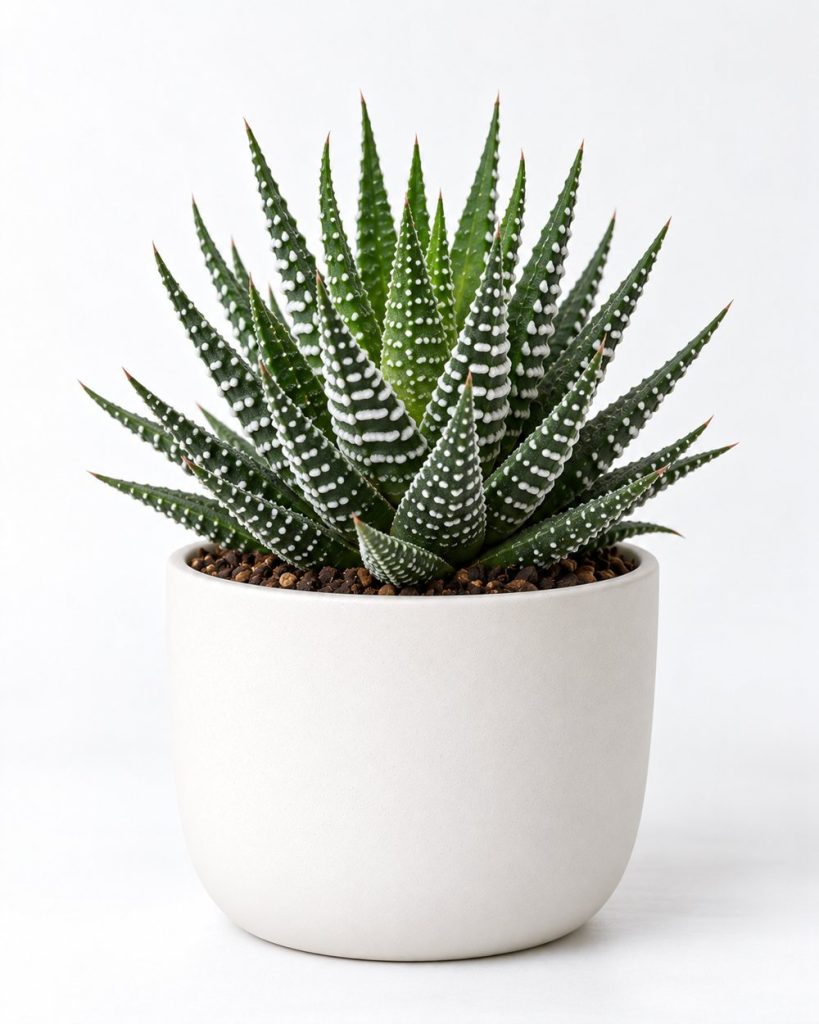
10.Haworthia
Haworthiopsis attenuataSmall pots dry out faster than big ones, but haworthia still handles two to four weeks. It suits a desk or shelf without direct sun. Its weak spot is rot, so use gritty soil and a pot with a drainage hole. It is pet-safe.
Read the full care guide →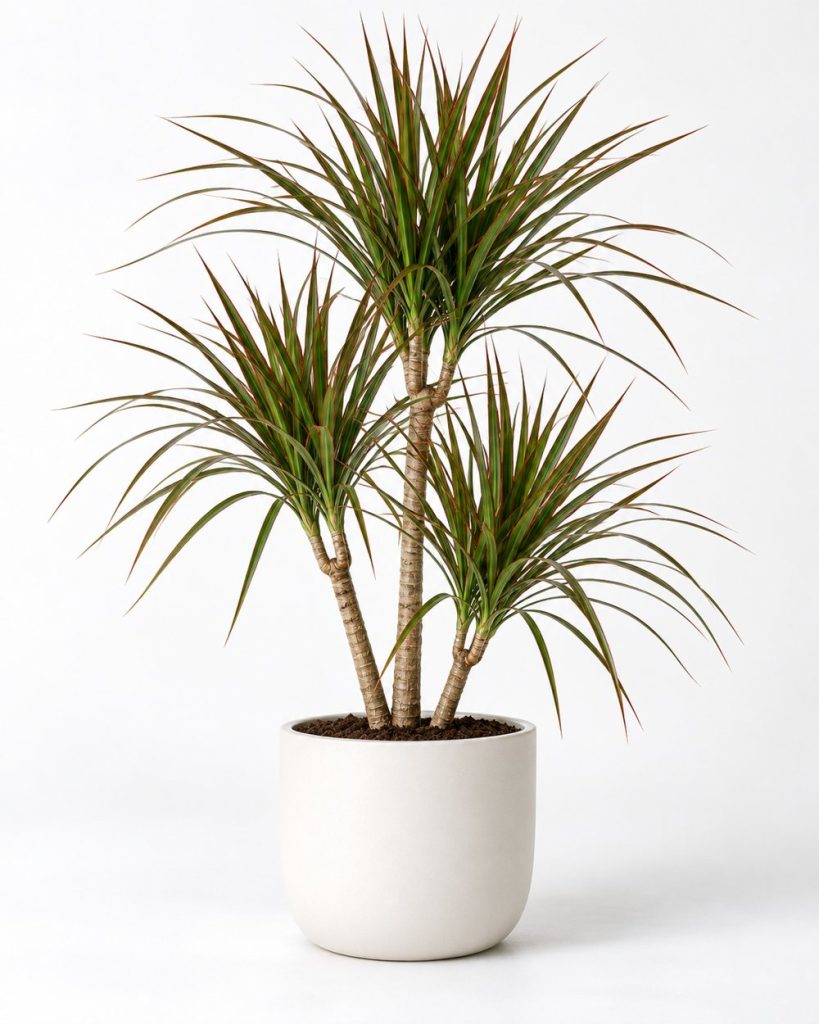
11.Dracaena Marginata
Dracaena reflexa var. angustifoliaA tall plant that does not need water every week is rare. This one goes two to three weeks in most homes. It does have limits. Soil left bone dry for too long browns the leaf tips, so it suits the person who forgets a little, not for a whole month.
Read the full care guide →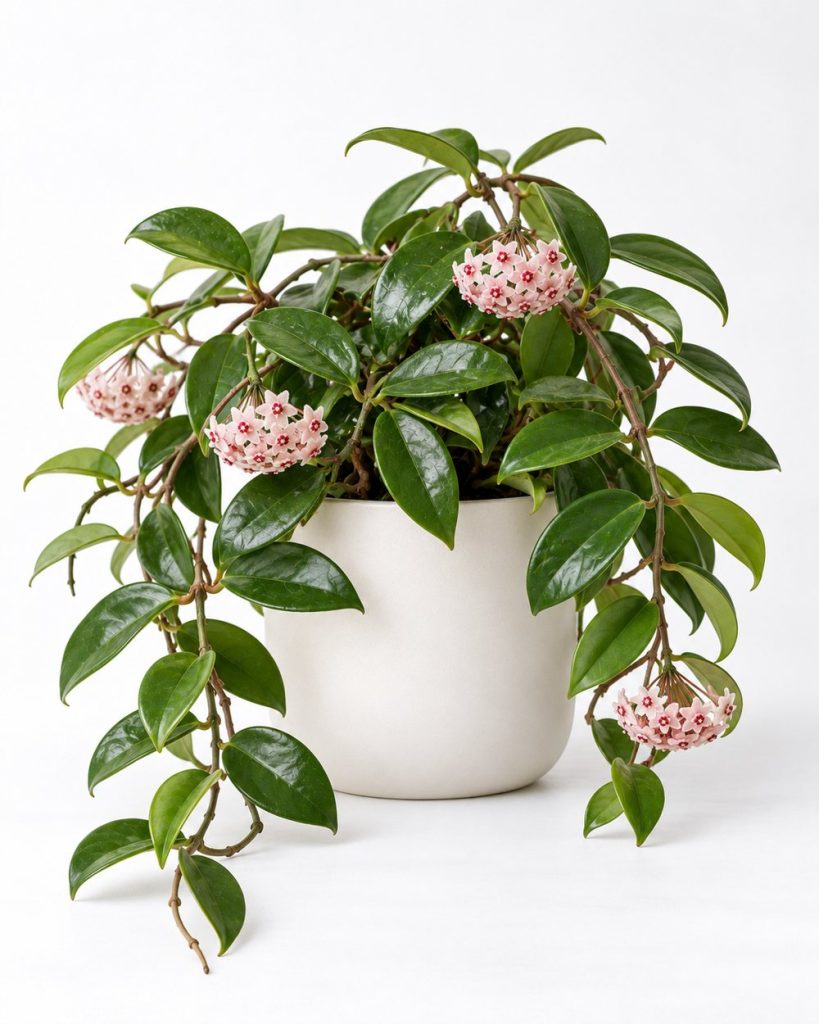
12.Hoya Carnosa
Hoya carnosaThis is the vine for forgetful people. Most trailing plants wilt after a missed week, but hoya's thick leaves hold water. In bright light it may want a drink every week or two, so it is not a month-long plant. Its slow growth means it rarely outgrows its pot.
Read the full care guide →If you are going away, water each plant a few days before you leave rather than the night before, so the extra has time to drain. Pull sun lovers back from the hottest glass so they dry slower. When you get home, check the soil before you grab the watering can. A dry plant can wait one more day, while a soaked one may not recover.
Frequently asked questions
Do self-watering pots help forgetful owners?
They help plants that like steady moisture, but they are a poor match for most plants on this list. Succulents and ZZ plants want the soil to dry out, and a reservoir keeps it damp.
How can I tell if a succulent needs water?
Push a finger or a wooden stick deep into the soil. If it comes out dry and the pot feels light, it is time. Wrinkled or soft, bendy leaves are another sign.
Should I water less in winter?
Yes, for almost every plant here. Shorter days and cooler rooms slow growth, so the soil stays wet longer. Many of these plants need water only every three to five weeks in winter.
Want a plant picked for you?
Take a plant quiz