Yucca
Yucca gigantea · also called Spineless yucca, Yucca elephantipes, Yucca cane
A desert tree with a chunky trunk that wants sun more than water
- Light
- Bright indirect, Full sun: Needs bright light with some direct sun
- Water
- Every 2-3 weeks, only when most of the soil is dry
- Difficulty
- Easy
- Pet safety
- Toxic to cats and dogs
- Size
- Large
- Height
- 3-8 ft indoors
- Growth
- Slow
- Humidity
- Dry air is fine
- Temperature
- 60-85°F
- Good rooms
- Entryway, Living room, Office
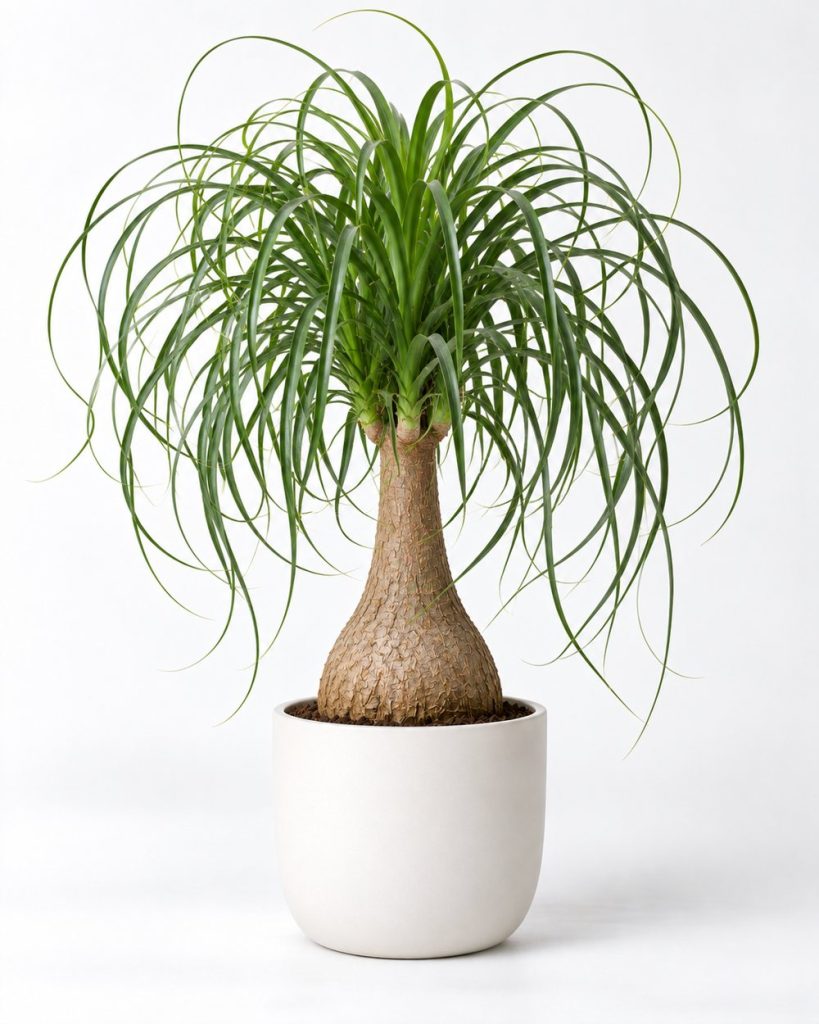
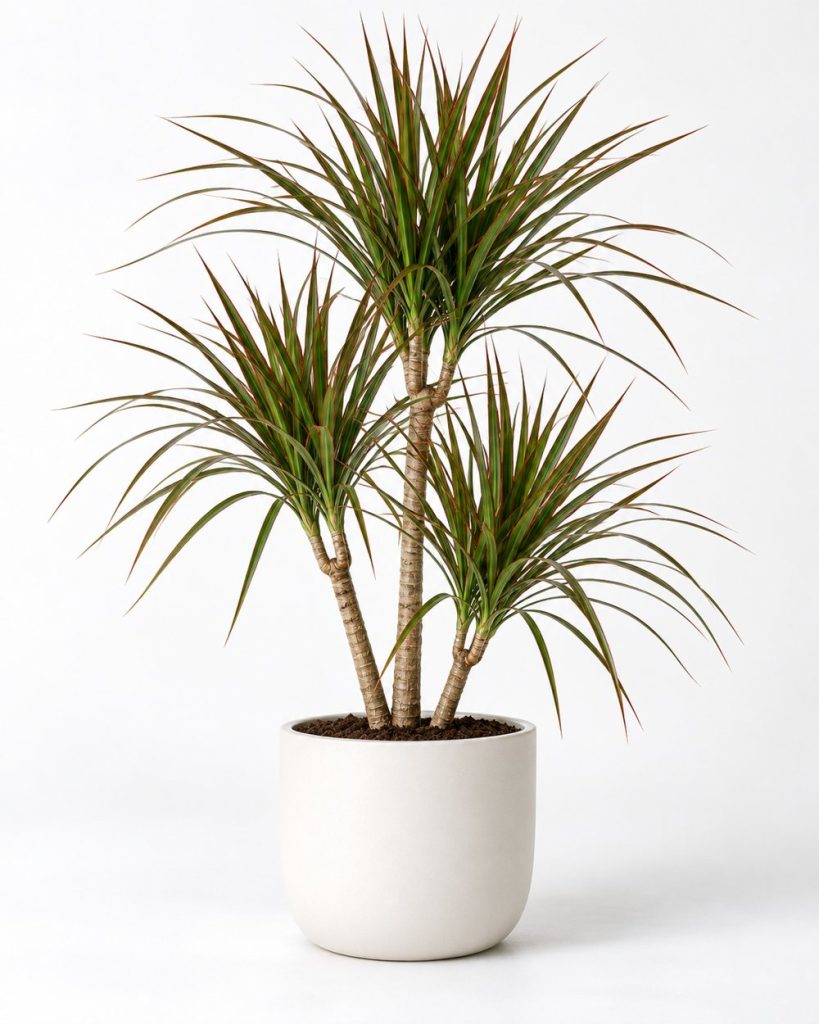
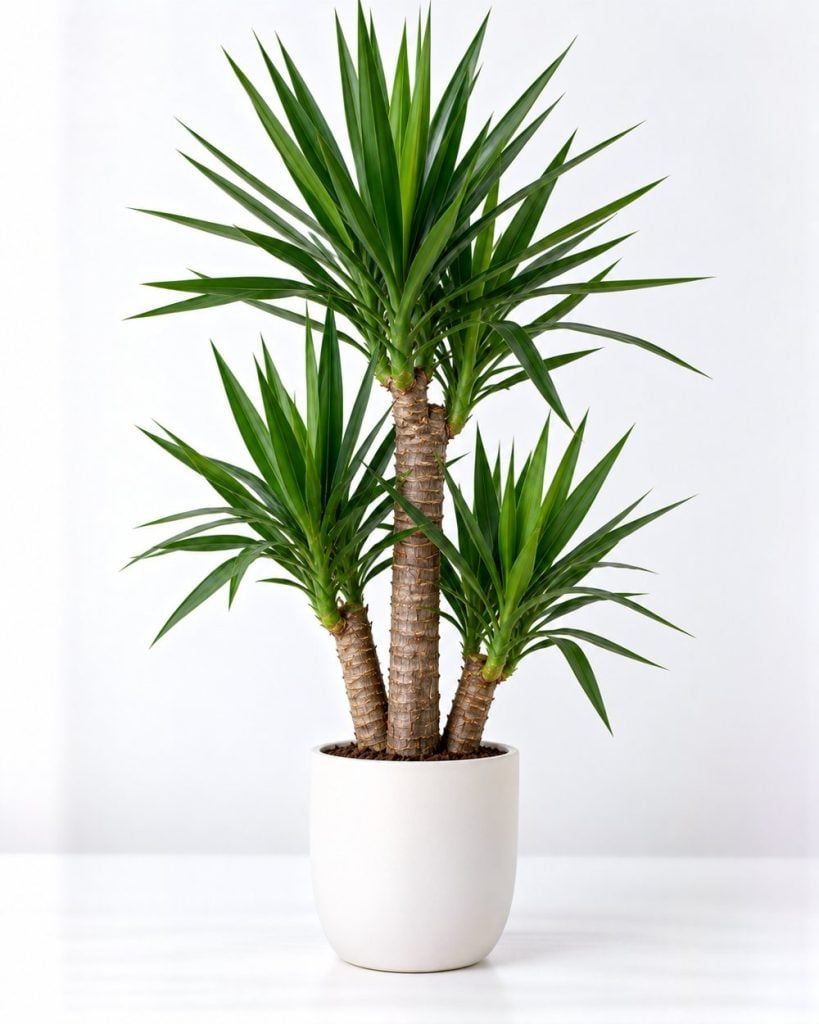
The first thing you notice is the trunk. It is thick, pale brown, and rough, like a piece of driftwood with tufts of stiff green leaves sprouting from the top. Most indoor yuccas are sold as a few canes of different heights planted together, which gives a stepped look. The leaves grow in a rosette at the top of each cane, and the old ones lower down dry out and fall as it grows. It is a desert plant from Mexico and Central America, and it looks the part.
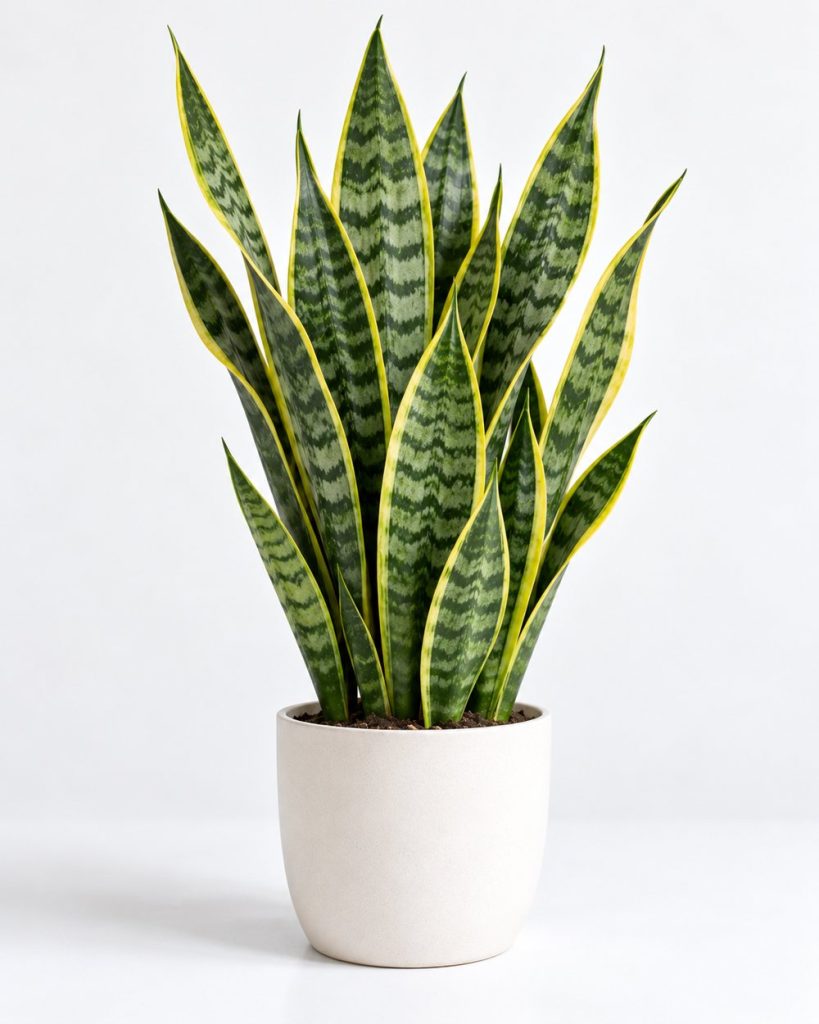
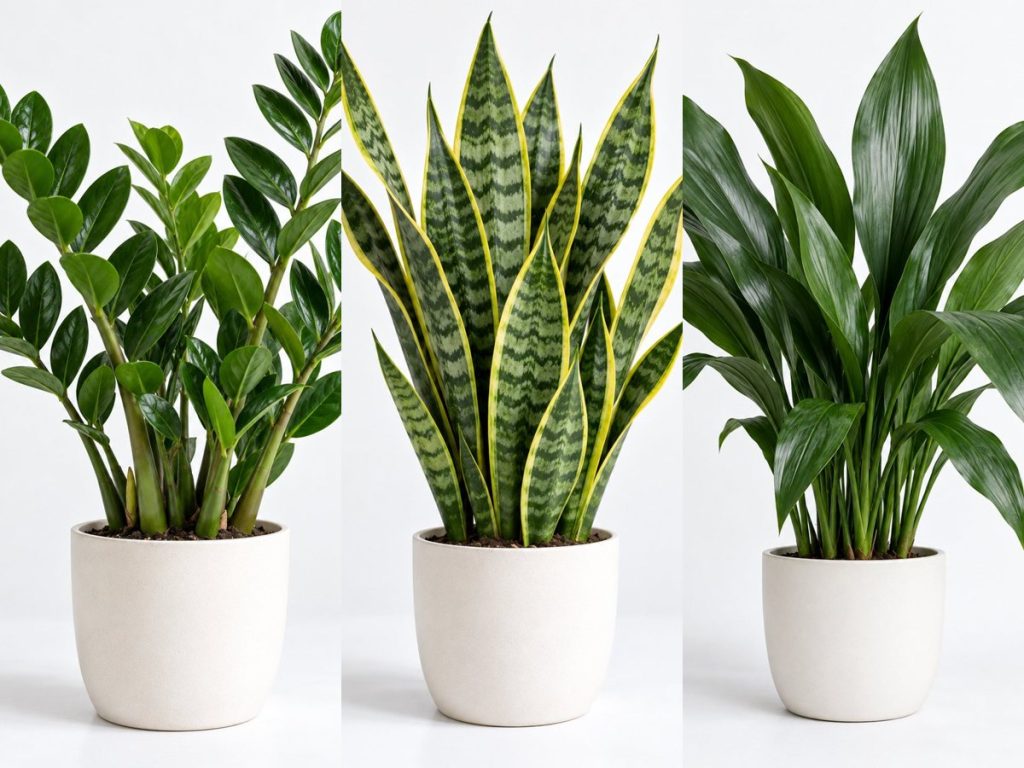
The trade-off is light. A yucca wants sun, and plenty of it. Set it in front of a south or west window and it grows slowly but steadily. Set it in a dim corner and it makes thin, pale leaves that flop over, while the soil stays wet so long that the canes can rot. If your brightest window faces north, a snake plant is the better buy.
For the right room, it is one of the least needy tall plants you can find. It goes weeks without water, shrugs off dry winter air, and rarely gets pests. Over time it can reach 5 to 8 feet indoors. Mind the tips, though. The plant is called spineless, but the leaf ends are still stiff and pointed, so keep it away from walkways and a toddler's eye level. It is also toxic to cats and dogs and can make them vomit if chewed.
Yucca care
Light
Give it the sunniest spot you have. A south or west window is best, and a few hours of direct sun each day keeps the leaves stiff and upright. If you move it from a dim store into strong sun, do it over a week or two so the leaves do not burn. Turn it now and then to keep the canes from leaning.
Watering
Wait until the top half of the soil is dry. Push a finger or a chopstick in to check. In bright light that may be every two or three weeks, and once a month or less in winter. Water deeply, then let the pot drain fully. Rot at the base of a cane nearly always starts with too much water.
Soil and pot
Use a fast-draining mix. Cactus mix works, or regular potting mix with plenty of perlite or coarse sand. A heavy clay or ceramic pot is a smart choice, since tall canes are top heavy and clay dries out faster. Tall canes in a light plastic pot tip over the first time someone brushes past.
Humidity and temperature
No special care needed. Yucca is built for dry air, so a heated room in winter does not bother it. Skip misting. Just keep it away from cold drafts, because a sudden chill can damage the leaves. A spot near a glass door is fine in summer, but move it back a few feet in winter.
Feeding
Yucca comes from dry, poor soil and expects very little. Two light feeds with a cactus or all-purpose fertilizer, one in late spring and one in midsummer, are enough for the year. Weak, floppy new leaves can be a sign of too much. If a white crust shows on the soil, flush it out and skip feeding for a full season.
Repotting
It likes a snug pot, so repot only every two or three years, when roots fill the space. Go just one size up. Water lightly for a week or two afterward while the roots settle in. Pack the new mix firmly around the base so the canes stand straight.
Propagation
Look for pups, small shoots growing at the base of the canes. Cut one off with some roots, let it dry for a day, and pot it in dry mix. You can also saw the top off a tall cane, let the cut dry, and root it in sandy soil. The old cane often sprouts new leaves below the cut.
Common problems
The canes feel soft at the base. Can I save it?
Soft canes mean rot from wet soil. Cut away any mushy part, let the firm section dry, and repot it in fresh, dry cactus mix. A cane that is soft all the way through is gone.
Why do the leaves flop over instead of standing up?
Floppy, pale leaves point to too little light. Move it to a sunnier window. Old leaves will not stiffen, but the new ones should grow straighter.
Brown leaf tips, should I worry?
A few brown tips on older leaves are normal. Lots of them can mean the soil stayed bone dry too long or the plant got chilled. Trim the tips with clean scissors if they bother you.
Is it normal for the lower leaves to die?
Yes. As each cane grows, the oldest leaves at the bottom of the tuft turn brown and dry. Pull them off gently once they come away easily.
Frequently asked questions
Can I cut a yucca that is too tall?
Yes. Saw the cane at the height you want in spring. New shoots usually appear near the cut within a couple of months, and you can root the top piece.
Why do people call it spineless?
Many outdoor yuccas have leaves with sharp, hard spines at the tips. This kind has softer, bendier leaves, though the tips can still poke.
Will my yucca ever bloom?
Outdoors, older plants send up tall stalks of white, bell-shaped flowers. Indoors it rarely happens. Enjoy it for the leaves and the trunk.
Not sure this plant fits your home?
Take a plant quizSources: www.aspca.org, plants.ces.ncsu.edu