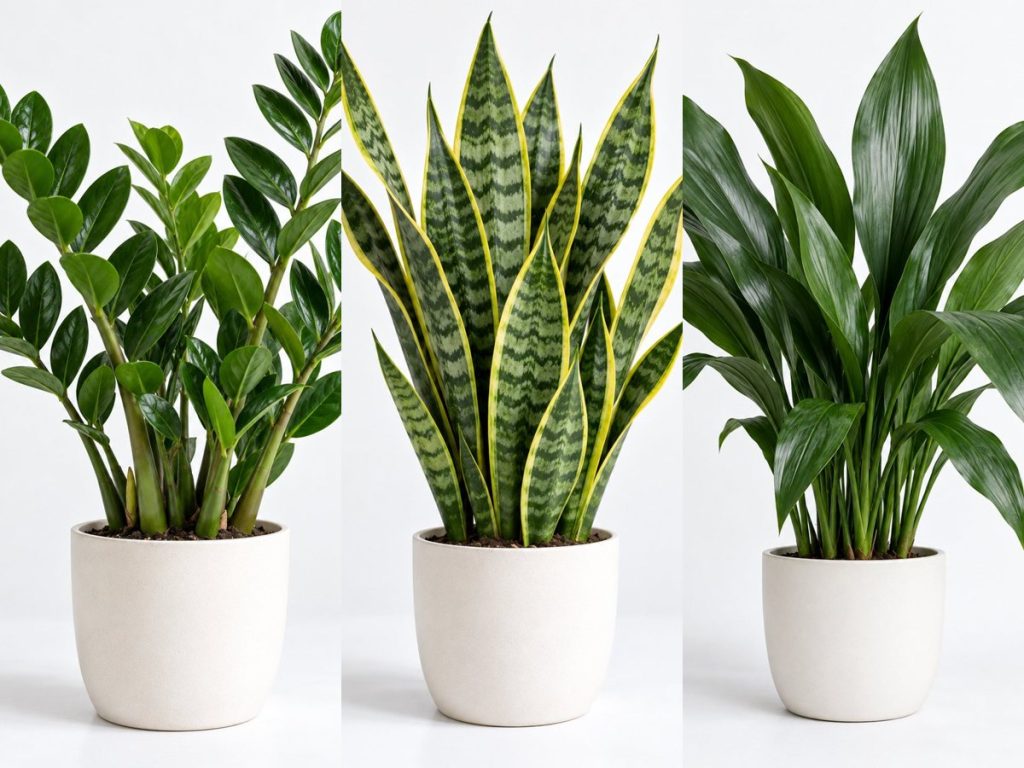
12 Best Plants for an Entryway or Hallway
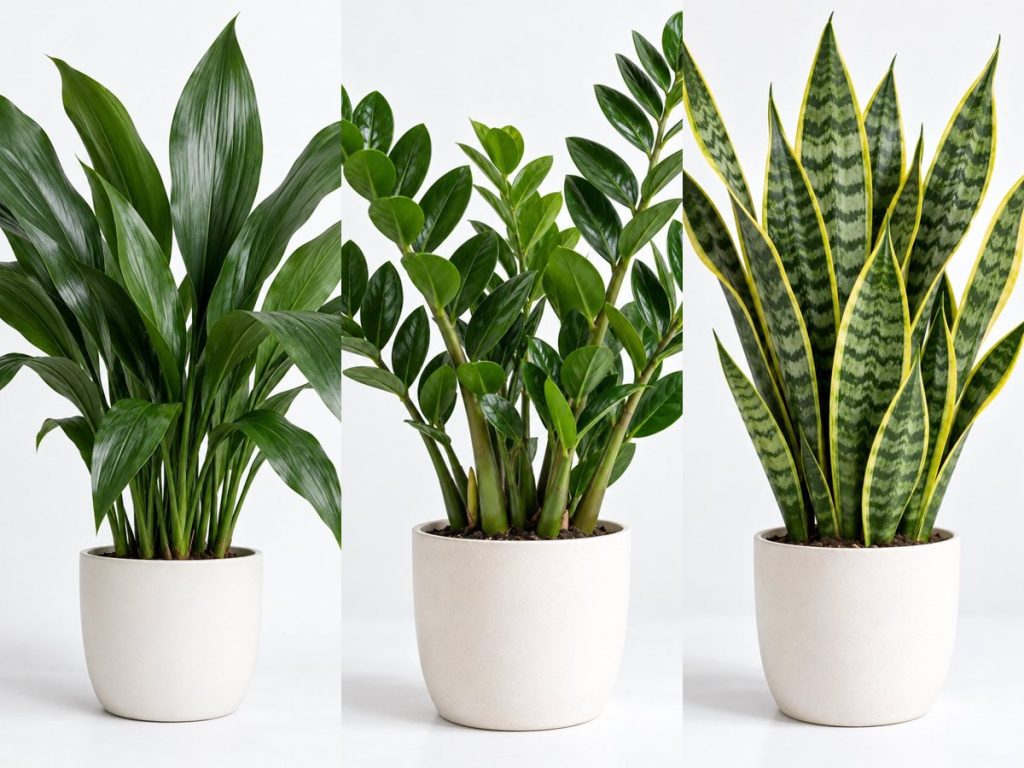
Every time the front door opens in January, a wave of cold air rolls across the floor. That draft, plus a hallway that often has no window of its own, is what an entryway plant has to put up with. It is also the first thing guests see, so a tired, leaning plant by the door is hard to miss.
Most hallways sort into two kinds. The dim one gets borrowed light from a nearby room or a small pane in the door. The bright one has a big window or glass panels beside the door. The first part of this list handles the dim kind. The last few need the bright kind and say so. Wherever yours falls, keep pots a few feet back from the door itself, out of the path of coats, bags, and dogs on their way out.
How we picked: Our profiles tag most of these for entryways, plus three shade plants that cope with hallway light, all ranked by how they handle dim light and drafts.
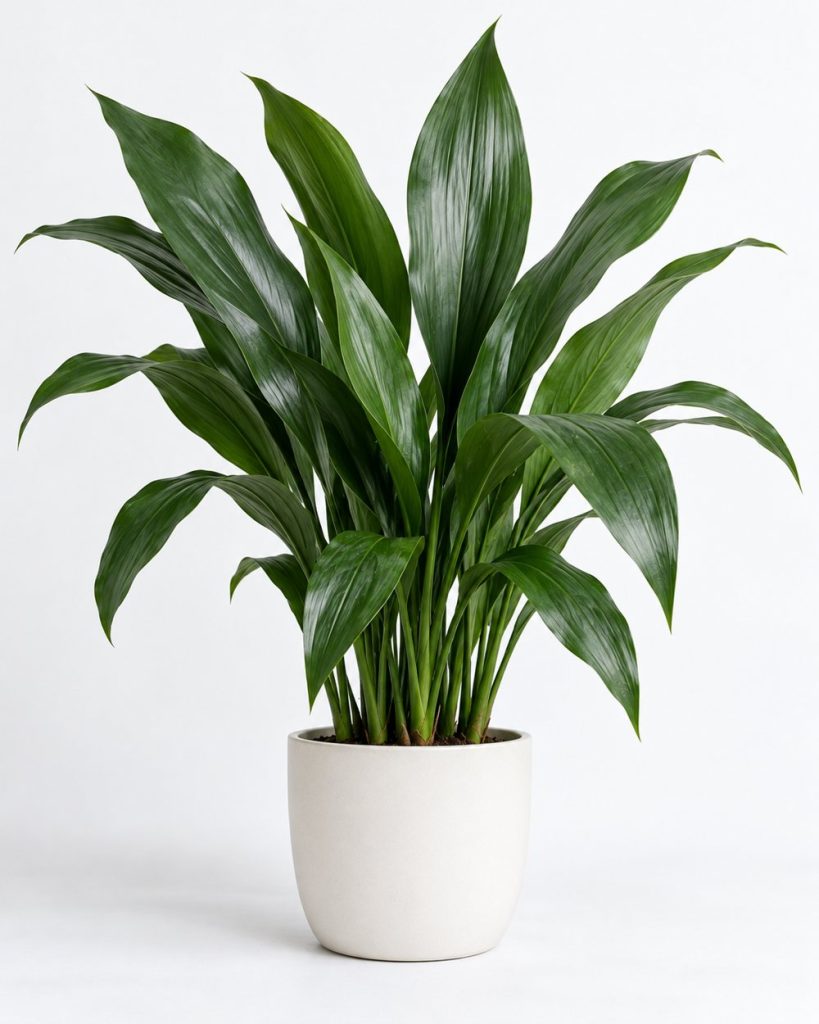
1.Cast Iron Plant
Aspidistra elatiorDeep shade, cool air, and people brushing past all day are what this plant was made for. It handles temperatures down to about 50°F, so a chilly hall in winter is fine. It is pet-safe too. The trade is slow growth and a high price for big pots, so pick a pot size you are happy to keep for years.
Read the full care guide →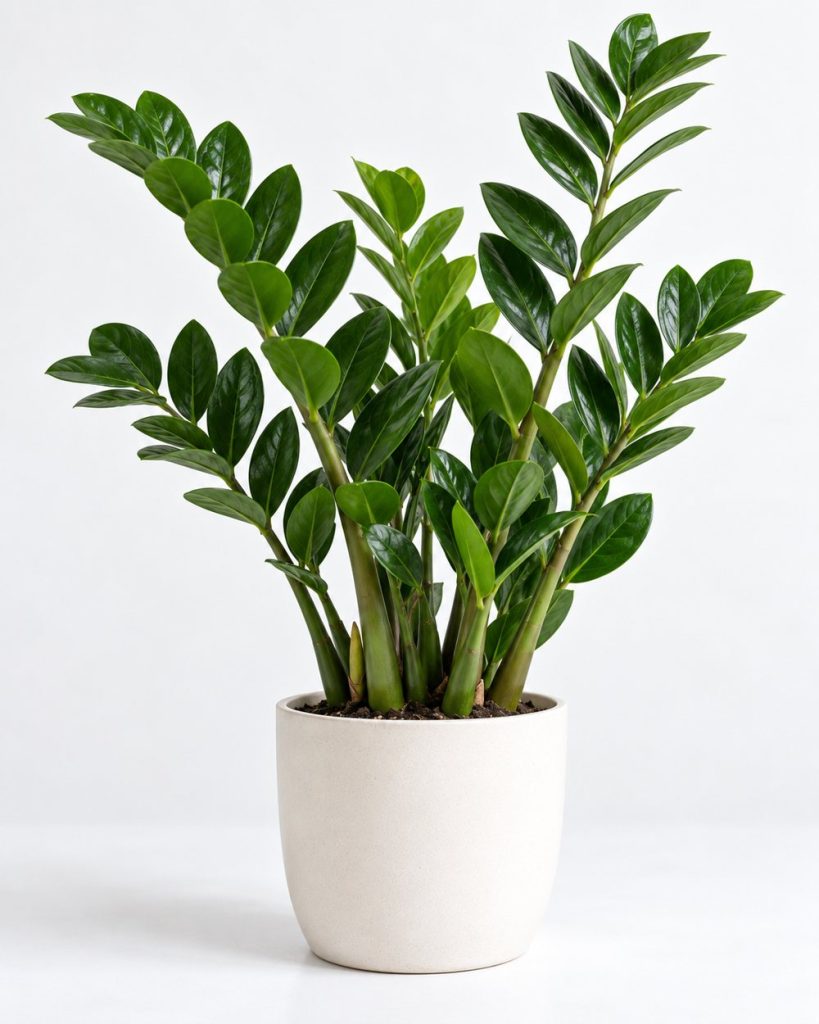
2.ZZ Plant
Zamioculcas zamiifoliaGlossy, upright stems look polished by a front door, which is the spot people see first. Low light and long gaps between drinks do not bother it. Lift the pot before watering, since the soil can stay wet for weeks in a dim hall. Keep it away from a dog that chews on its way out.
Read the full care guide →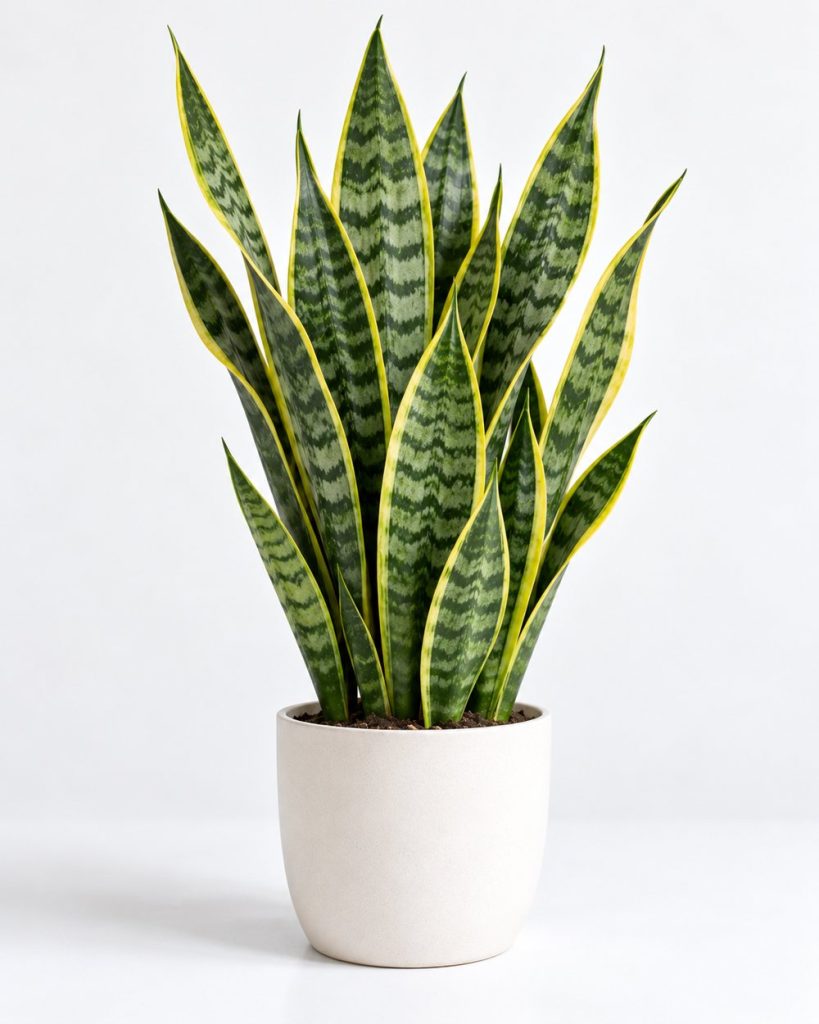
3.Snake Plant
Dracaena trifasciataA narrow strip of wall between the door and a coat rack is the perfect slot for this upright plant. It takes up little floor space and copes with low light. Water about once a month in a cool hallway, and never more often because it looks bored. It is toxic to cats and dogs.
Read the full care guide →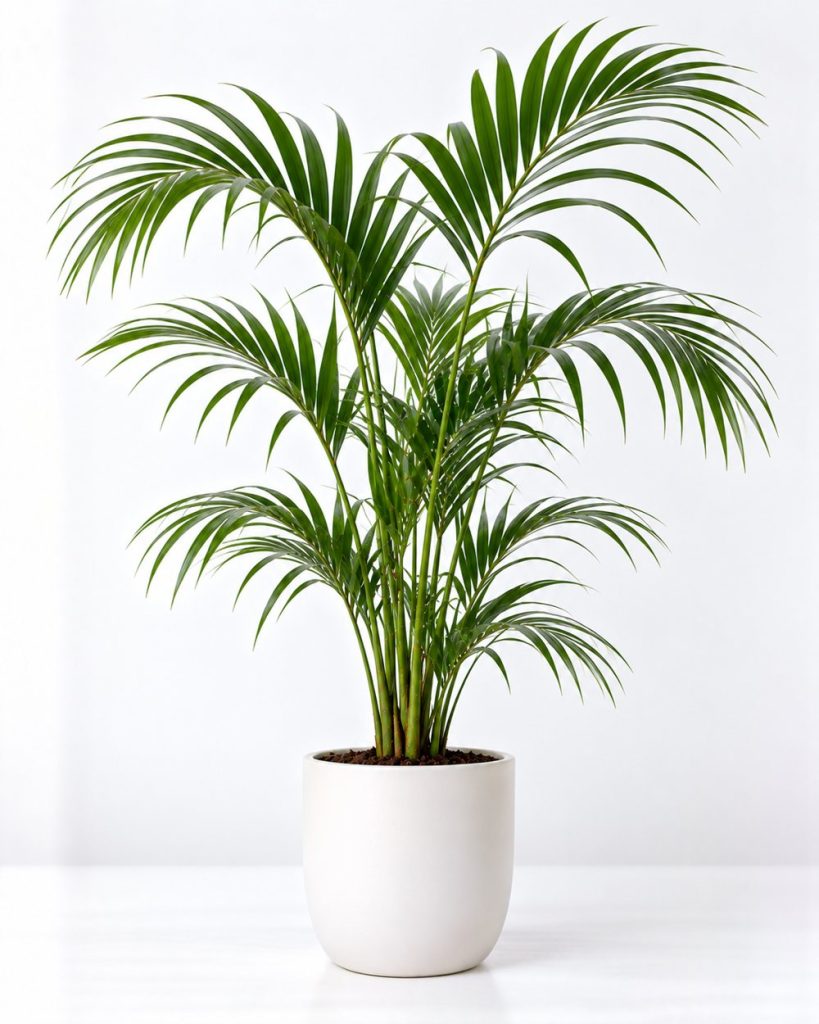
4.Kentia Palm
Howea forsterianaFor a wide hall or a foyer with tall ceilings, this palm adds height without needing a window right beside it. It copes with low light and dry heat from radiators, and it is pet-safe. Big ones are expensive because they grow so slowly. Keep the fronds clear of the door so they do not get bent or torn.
Read the full care guide →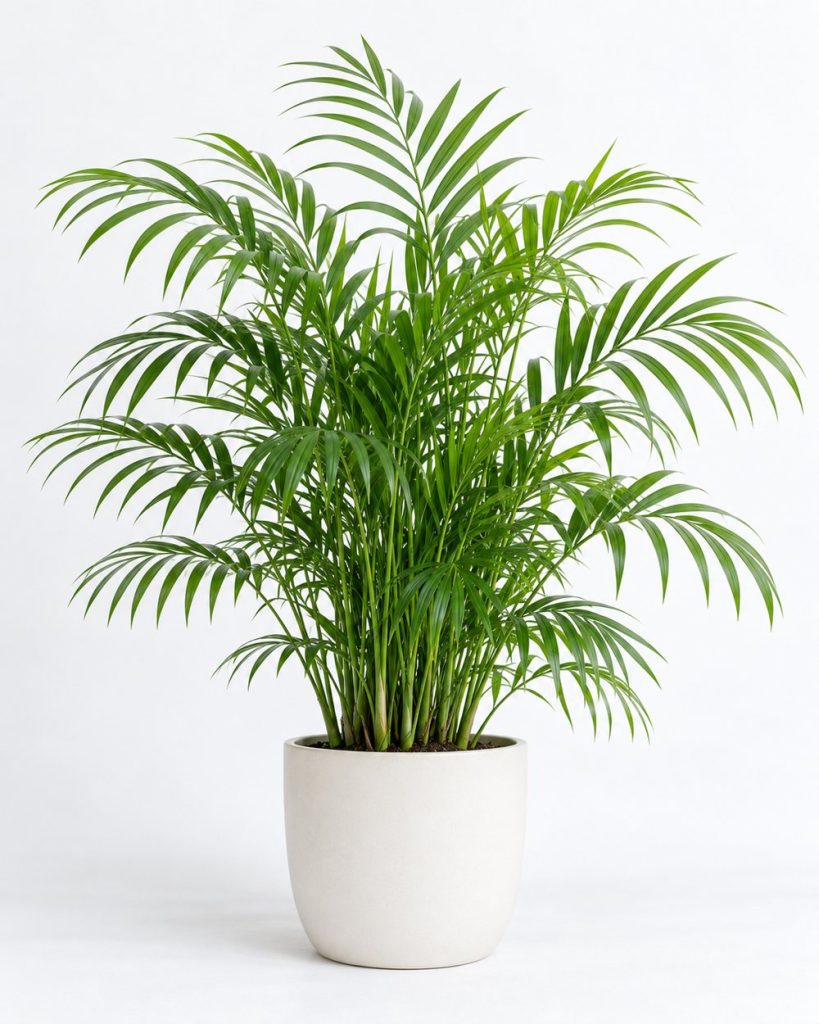
5.Parlor Palm
Chamaedorea elegansOur profile does not tag it for entryways, but a dim hall with a little borrowed light suits it fine. It stays 2 to 4 feet tall, so it fits beside a console table. It is non-toxic to pets. Cold drafts are its weak point, as its comfort zone is 65 to 80°F, so keep it back from the door.
Read the full care guide →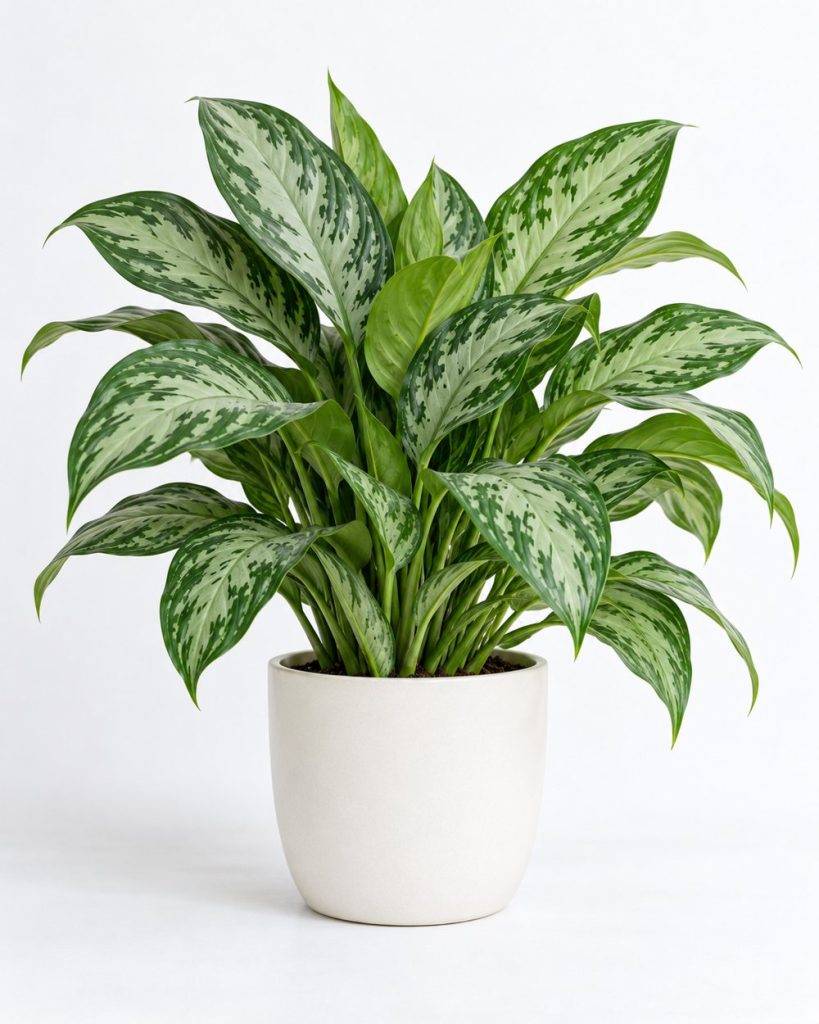
6.Chinese Evergreen
AglaonemaSilver and dark green types bring some color to a dim hall that would never support a flowering plant. It stays a tidy clump on a side table. Cold is the problem. Winter drafts below about 55°F leave dark patches on the leaves, so it only works in a hall that stays warm.
Read the full care guide →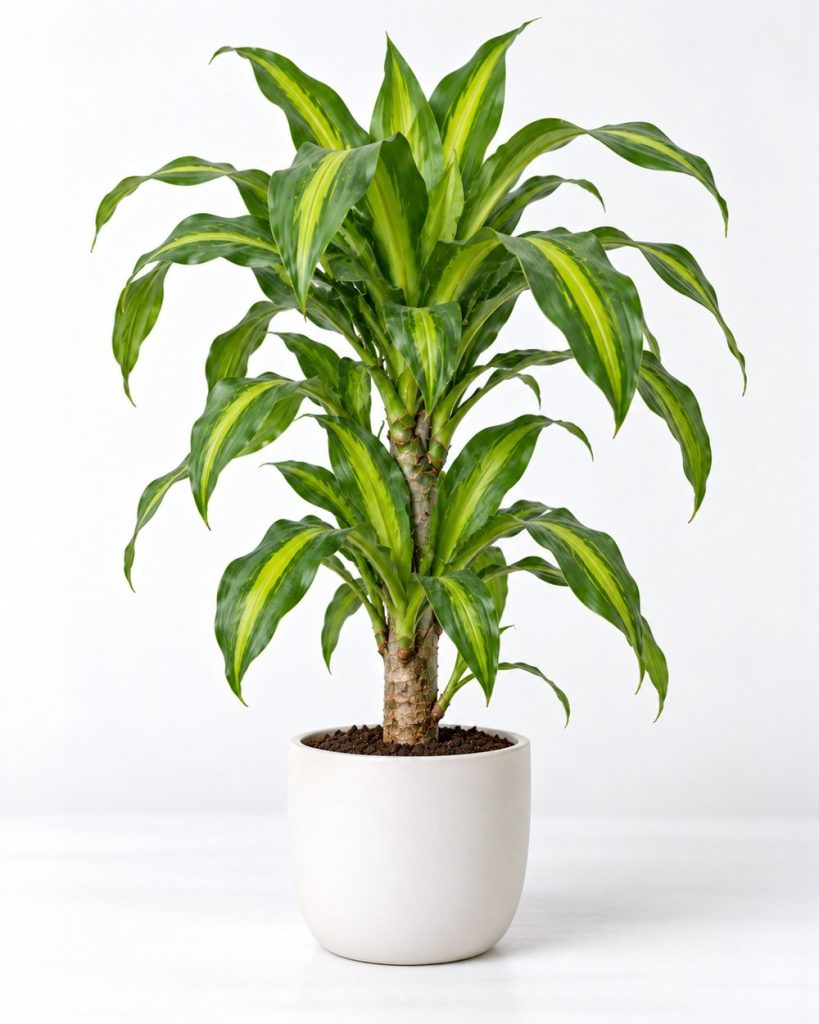
7.Corn Plant
Dracaena fragransTall striped canes make a good sentry beside a door in a hall with filtered light. It grows slowly, so it holds its shape for years. Keep it out of hot sun through door glass, which scorches the leaves. Brown tips come from salts in tap water, and the plant is toxic to cats and dogs.
Read the full care guide →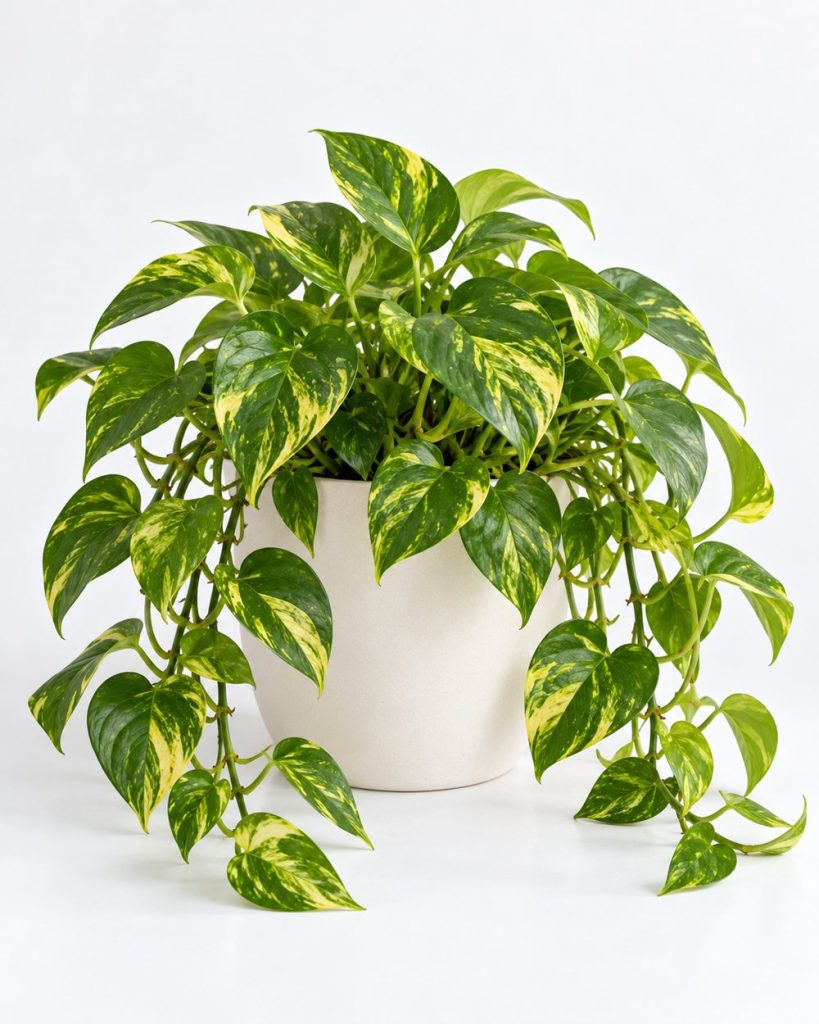
8.Pothos
Epipremnum aureumA shelf or the top of a coat cupboard in a dim hall is a good place to let a pothos trail. It keeps growing in low light, only slower and with bigger gaps along the vine. Trim it now and then so it stays full. It is toxic to cats and dogs, so keep the vines high.
Read the full care guide →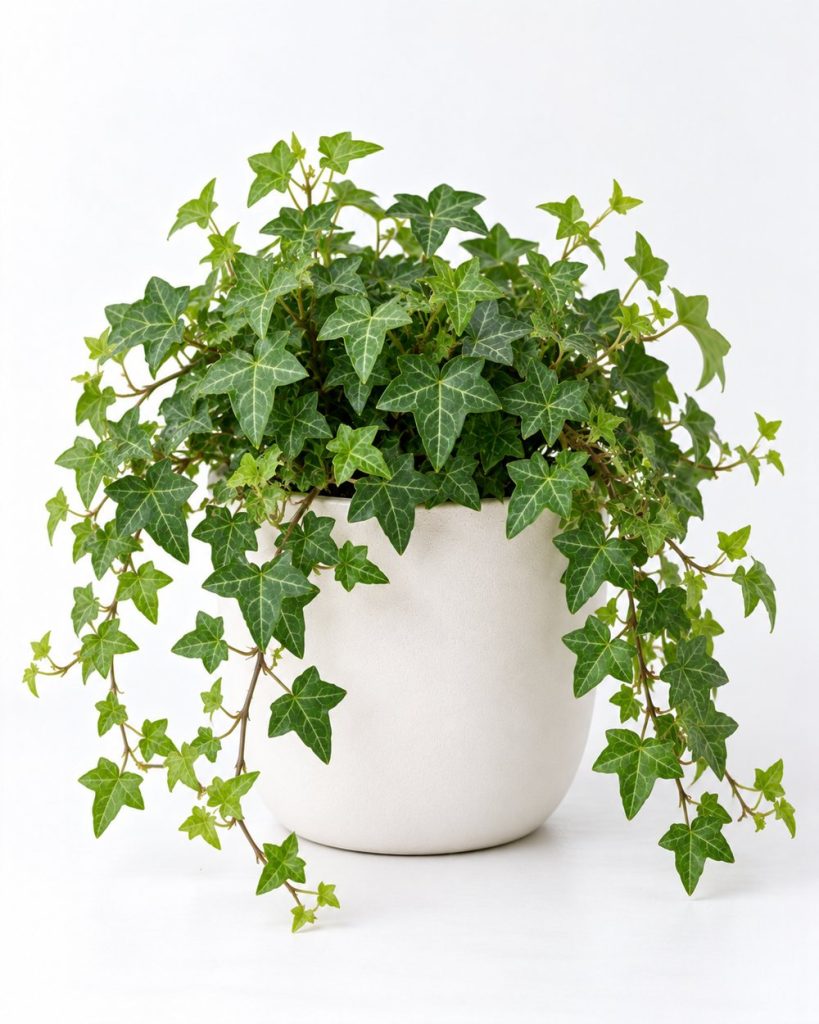
9.English Ivy
Hedera helixA cool hallway suits ivy better than a warm living room, since it likes 50 to 70°F. Train it up a wire hoop or let it spill from a pot on a stand. It needs medium light, though, so a windowless hall is too dark. Warm, dry air brings spider mites, and it is toxic to pets.
Read the full care guide →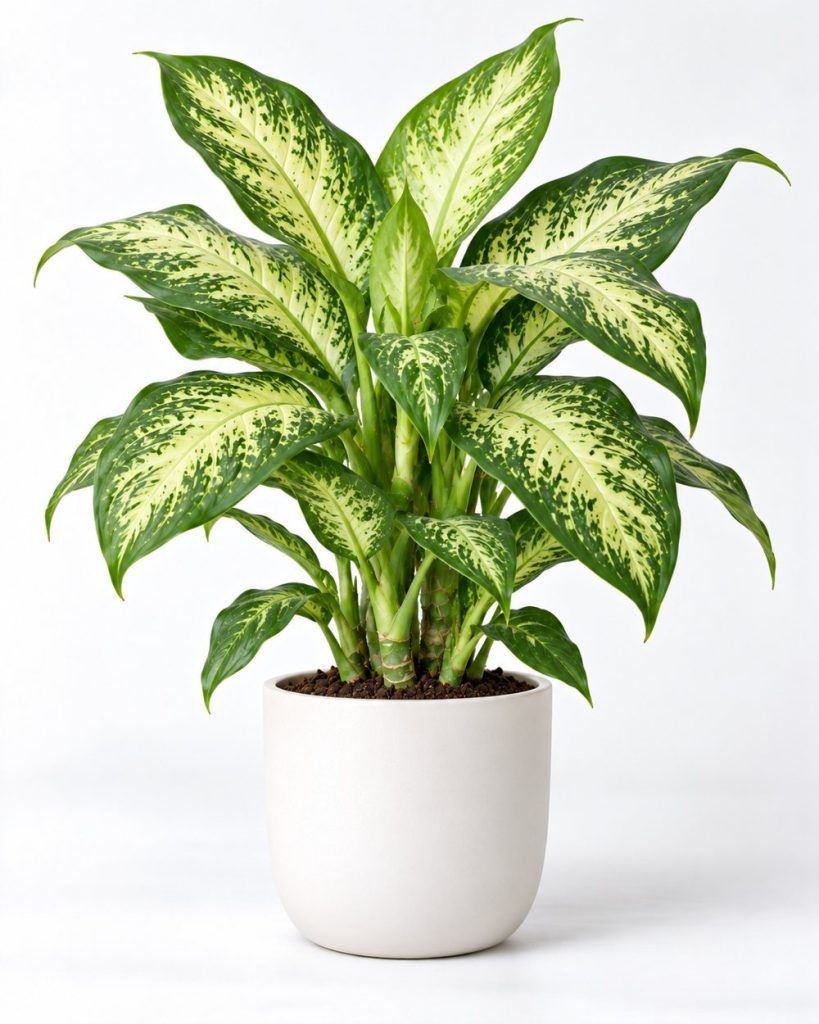
10.Dumb Cane
Dieffenbachia spp.A bright entryway is one of the spots our profile names for this plant, and its big cream-splashed leaves make a strong first impression. Think hard about who passes by. Chewing a leaf makes a mouth swell badly, which matters for toddlers and pets. Wash your hands after you trim it.
Read the full care guide →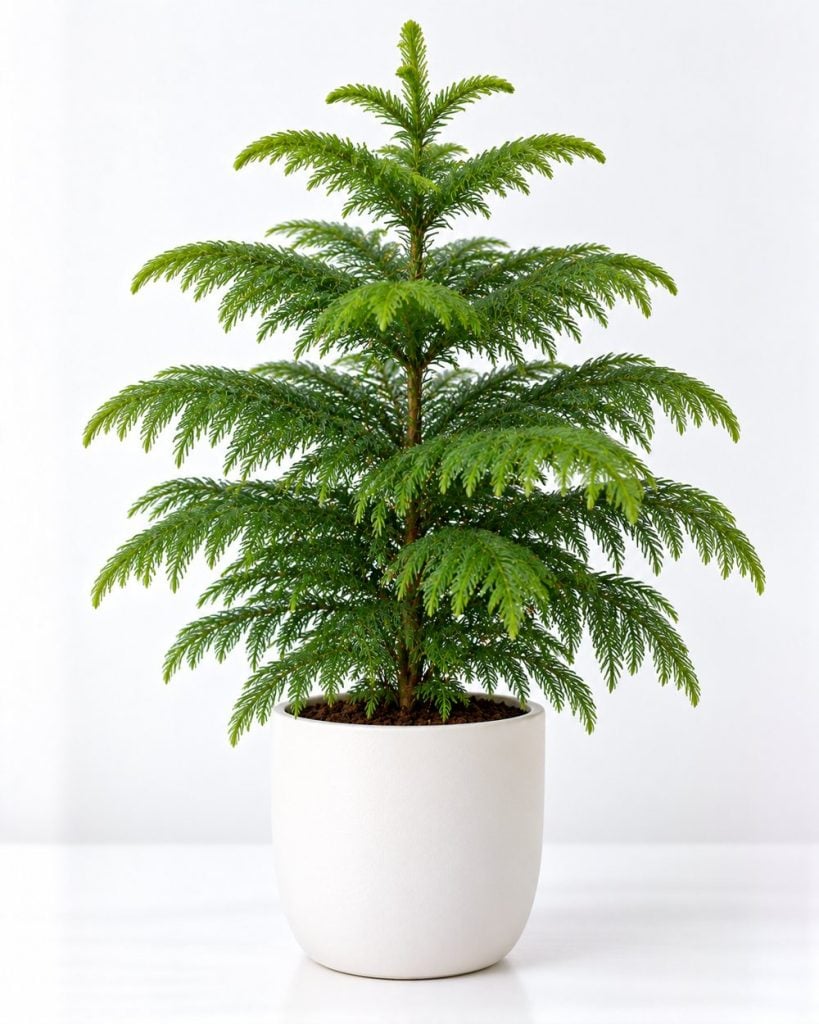
11.Norfolk Island Pine
Araucaria heterophyllaGlass panels beside the front door can give this soft little conifer the bright light it needs. It likes cool air, 60 to 75°F, which suits a hall. Dry winter heat is harder on it. In a dim spot it lasts a year or two, then the lower branches fade and drop. It is pet-safe.
Read the full care guide →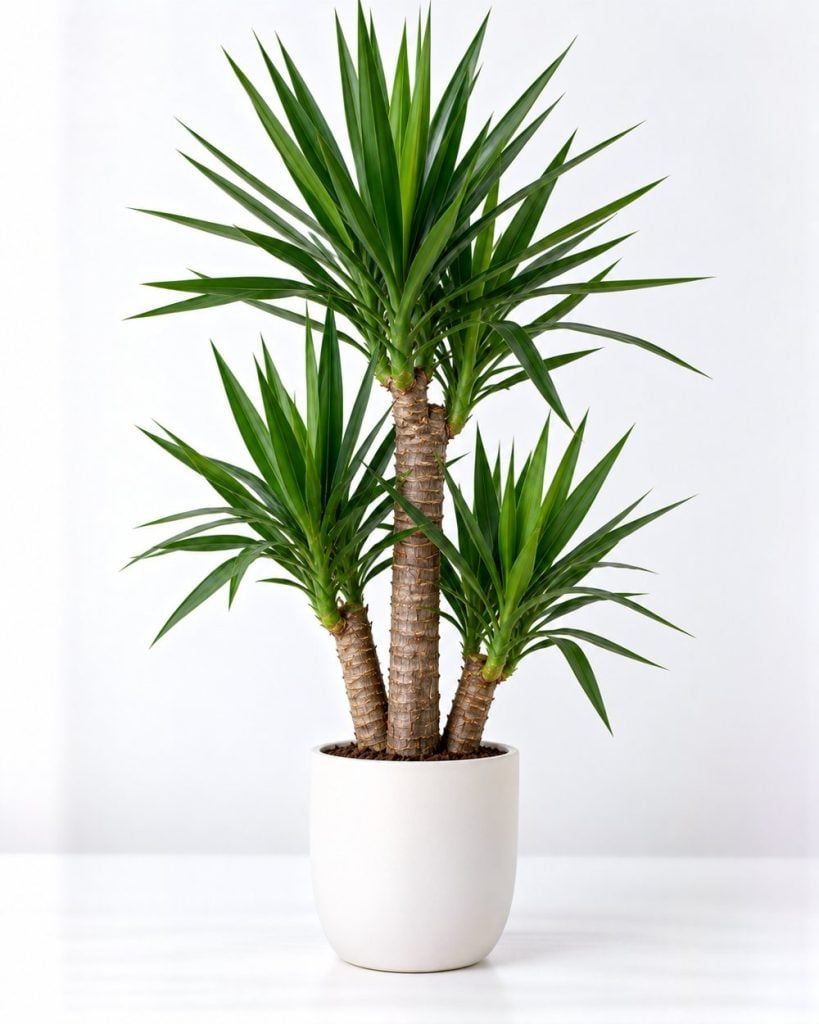
12.Yucca
Yucca giganteaOnly a sunny entry with a south or west window will do for this one. Give it that, and it shrugs off dry air and goes weeks without water. The leaf tips are stiff and pointed, so keep it out of the walking path and away from small faces. It is toxic to pets.
Read the full care guide →Give any new entryway plant a month before you judge it. Check it the morning after a cold snap, and look at the side facing the door. Dark, wet-looking patches mean the draft is reaching it, so slide it a few feet farther in. A small tray under the pot catches grit and melting snow from boots, which saves both the floor and the saucer.
Frequently asked questions
Can a plant live in a hallway with no window?
Only if light reaches it from a nearby room. If you can read in the hall at midday without a lamp, the cast iron plant, ZZ plant, or snake plant can manage. If not, a small LED grow light on a timer is the honest fix.
How do I protect an entryway plant from winter drafts?
Keep the pot a few feet back from the door and off cold tile if you can. A plant stand lifts it above the coldest air near the floor. Tough plants like the cast iron plant handle a chilly hall far better than a Chinese evergreen.
Which entryway plants are safe for pets?
From this list, the ASPCA lists the cast iron plant, kentia palm, parlor palm, and Norfolk Island pine as non-toxic to cats and dogs. The rest are toxic if chewed, and the dumb cane is the one to be most careful with.
Want a plant picked for you?
Take a plant quiz