Kentia Palm
Howea forsteriana · also called Paradise palm, Thatch palm, Sentry palm
The hotel lobby palm that handles dim rooms and dry heat
- Light
- Low light, Medium light: Copes with low light, looks fullest in medium
- Water
- Every 1-2 weeks, when the top 2 inches are dry
- Difficulty
- Easy
- Pet safety
- Non-toxic to cats and dogs
- Size
- Large
- Height
- 5-10 ft indoors over many years
- Growth
- Slow
- Humidity
- Average home humidity is fine
- Temperature
- 60-85°F
- Good rooms
- Bedroom, Entryway, Living room, Office
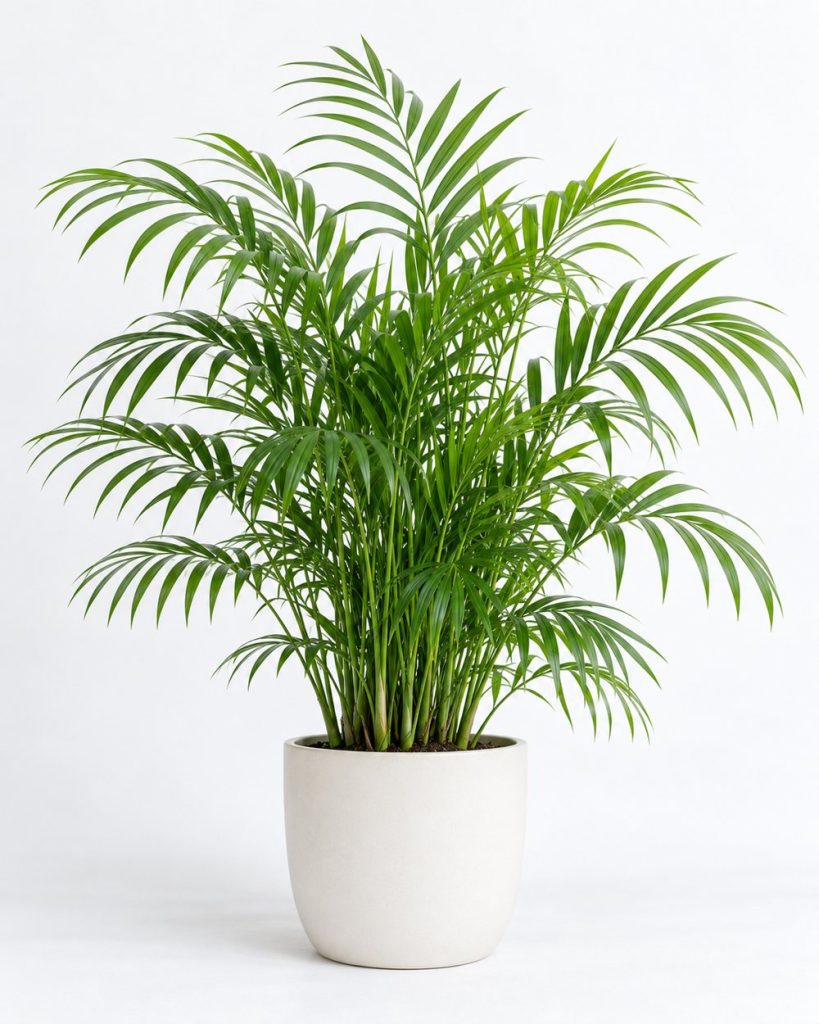
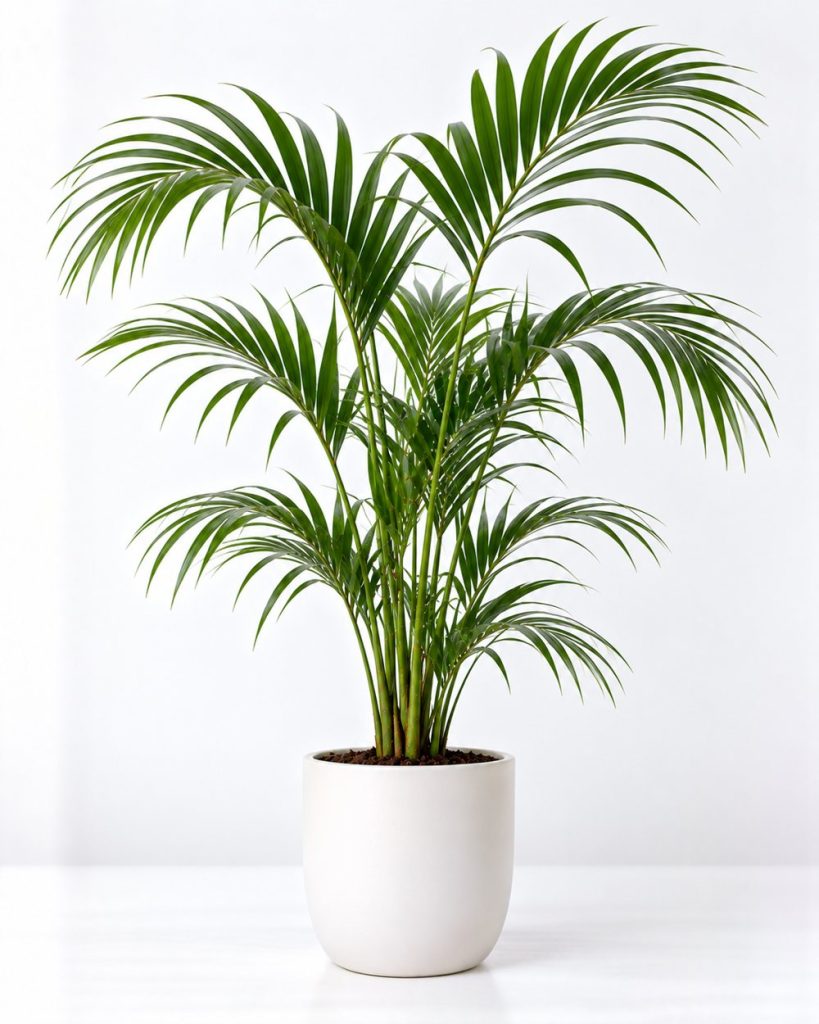
Picture a fancy hotel lobby. Odds are there is a tall palm with dark green, arching fronds standing in a corner far from any window. That is usually a kentia. It earned that job because it puts up with low light, dry heating and being ignored better than almost any other palm. Those lobby plants often live for decades with little more than a drink and a dusting.
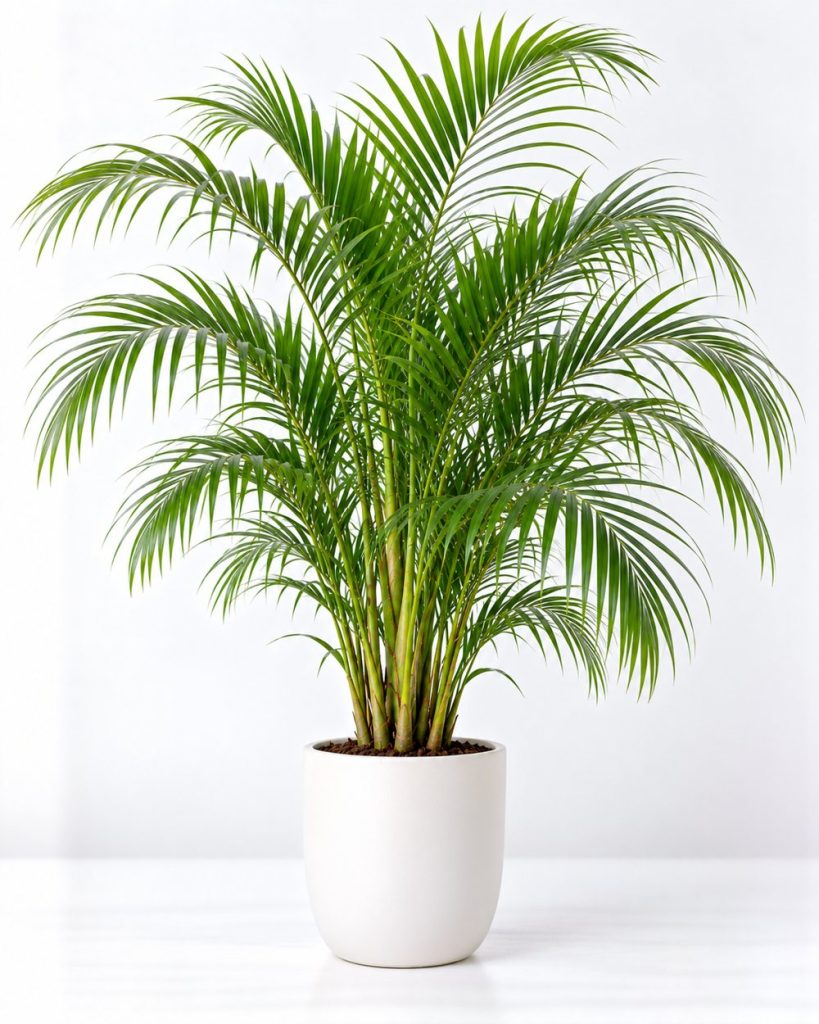
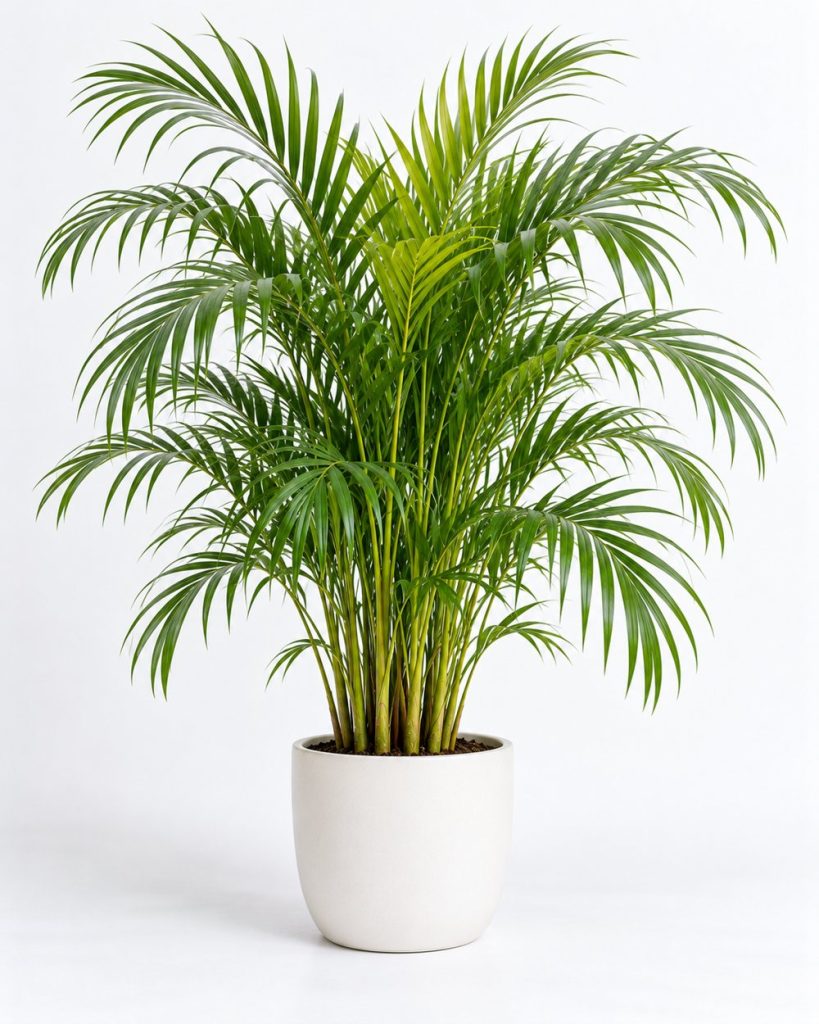
Its fronds are wide and feathery and they droop gently at the tips, which gives it a soft, relaxed look. Indoors it often reaches five to ten feet over many years. It grows from a single trunk, so stores pot several together to make it look full. The ASPCA lists it as non-toxic to cats and dogs, which makes it one of the few big statement plants a pet home can use without worry.
The downside is cost, and it is linked to speed. A kentia grows slowly, often only a few new fronds a year, and it is grown from seed. So a tall one is expensive, and you will not see much change from month to month. If you want something that fills a space this summer, a cheaper palm will grow faster. If you want one plant for a dim corner that still looks good in five years, this is the one most people end up happy with.
Kentia Palm care
Light
Medium light gives you the best shape, such as a spot several feet from a bright window. It still copes in a dim corner, which is its biggest strength. Hot direct sun through glass can scorch the fronds, so keep it back from south windows in summer. Turn the pot every month so it grows evenly.
Watering
Let the top two inches of soil dry, then water slowly until it drains. In most homes that is every one to two weeks, less in winter. A palm in low light drinks much less than one near a window, so check with your finger instead of following a fixed day. Never leave it standing in water.
Soil and pot
A well-draining potting mix with some peat or coir and a handful of perlite or bark works well. Use a heavy pot with drainage holes, since a tall palm in a light plastic pot tips over easily. A layer of gravel in the saucer keeps the base out of runoff.
Humidity and temperature
Normal room humidity is fine for a kentia. Very dry air can brown the tips and invite spider mites, so wipe the fronds with a damp cloth every month or two. That also keeps dust off and lets you spot pests early.
Feeding
Feed lightly. A slow-release palm or houseplant food in spring is enough for most homes. Palms need potassium, and a shortage shows as yellow or spotted older fronds. A palm food with added potassium and magnesium helps prevent that. In a dim room, half that amount will do.
Repotting
Kentias have fragile roots and dislike being disturbed. Repot only when roots push out of the drainage holes, often every three to four years. Move up just one pot size, and do not break apart the root ball. Keep the trunk at the same depth, since burying it deeper can lead to rot.
Propagation
Kentias grow from seed, which is very slow at home and often takes months to sprout. You cannot root a cutting. Some people gently split a multi-stem pot into smaller plants, but the roots break easily and the pieces may sulk for a long time.
Common problems
Why are the frond tips brown?
Dry air, uneven watering or a buildup of salts in the soil. Flush the pot with plain water a few times a year and trim the brown tips at an angle.
The oldest fronds are yellowing. Is that a problem?
One old frond fading at a time is normal. Several yellow, spotty fronds at once often point to a potassium shortage, so switch to a palm food.
What are the tiny webs on the fronds?
Spider mites, which love dry indoor air. Rinse the plant in the shower and wipe both sides of the fronds.
Should I cut off a brown frond?
Wait until it is fully brown. Then cut it close to the trunk. A frond that is still partly green feeds the plant.
Frequently asked questions
Is kentia palm safe for dogs?
Yes. The ASPCA lists it as non-toxic to cats and dogs. A dog that shreds a frond may still get a mild tummy upset.
Why does it cost so much?
It grows slowly and is grown from seed, so a tall plant has spent years at the nursery. Buying a smaller one and waiting is the cheaper route.
Can it live in a room with no window?
It copes with dim rooms, but it still needs some light. A room with no window at all needs a grow light.
Not sure this plant fits your home?
Take a plant quizSources: www.aspca.org, plants.ces.ncsu.edu