13 Best Plants for Bright Light
Light drops off fast as you move away from a window. A plant on the sill gets far more light than the same plant six feet back, even though the room looks evenly bright to your eyes. So when this list says bright light, it means close to the glass, usually within a few feet of a south, west, or large east window.
If you have that kind of spot, you have the one thing that is hardest to fake indoors. It opens up plants that fail in dimmer rooms. Some below want a few hours of direct sun. Others want bright light that does not burn, so a sheer curtain helps. Start them a little back from the glass and move them closer over a week or two. A plant that goes straight from a dim store into hot sun can scorch, and those pale or brown patches do not heal.
How we picked: Every plant here is listed for bright indirect light or full sun in our profiles, and most of them struggle in dimmer rooms.
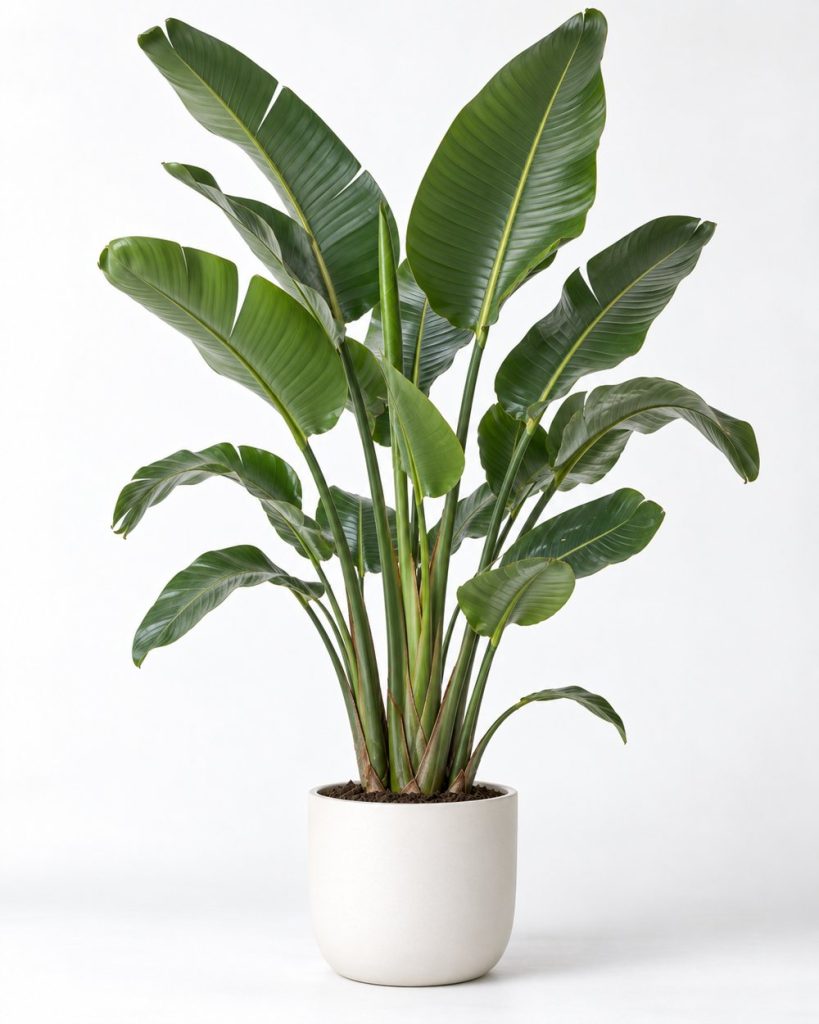
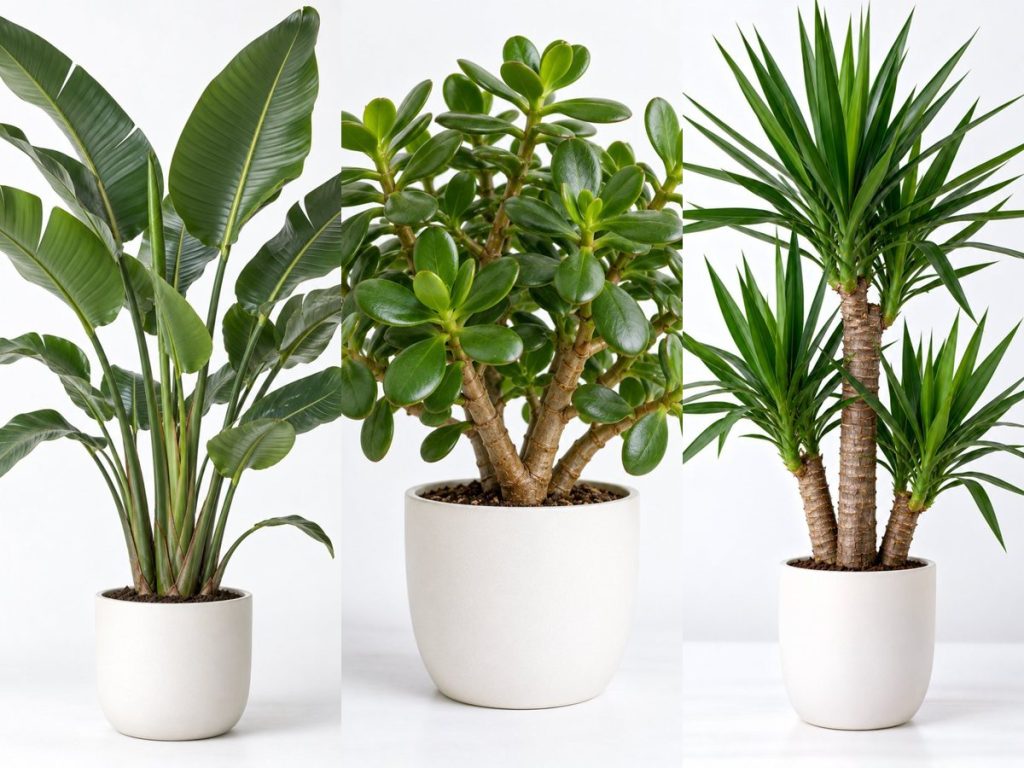
1.Bird of Paradise
Strelitzia nicolaiGive it the brightest window in the house, with some direct sun, and it adds a new leaf every month or so in summer. Put it anywhere dimmer and it stalls. The big leaves will split along the veins as they age. That is normal, so do not buy it expecting perfect paddles.
Read the full care guide →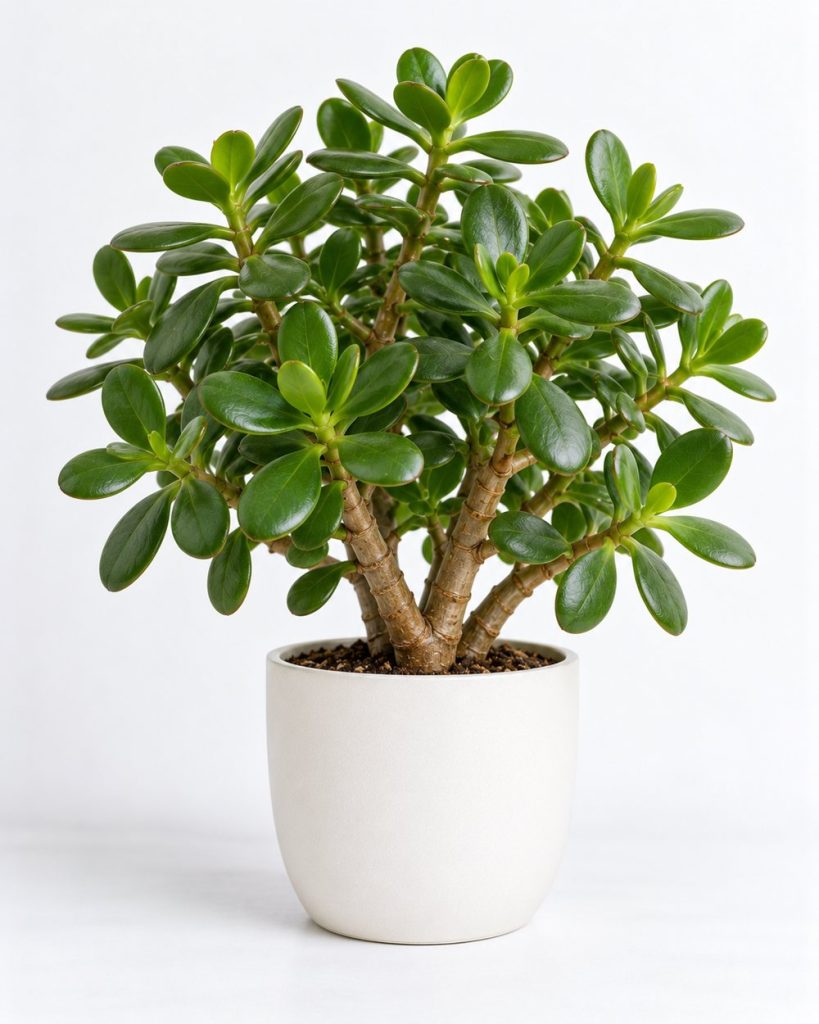
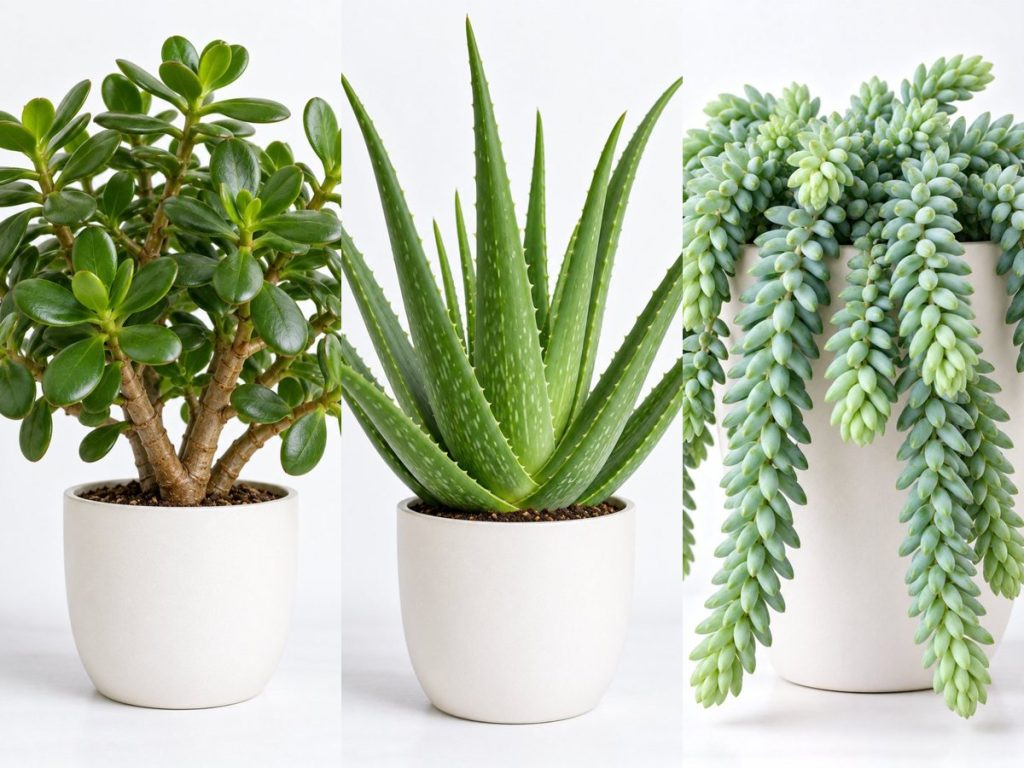
2.Jade Plant
Crassula ovataAt least four hours of strong light a day keeps a jade compact and lets the leaf edges blush red. In a very sunny window it may even flower in winter. It is toxic to pets, so keep it out of reach if your cat likes to sit on the sill.
Read the full care guide →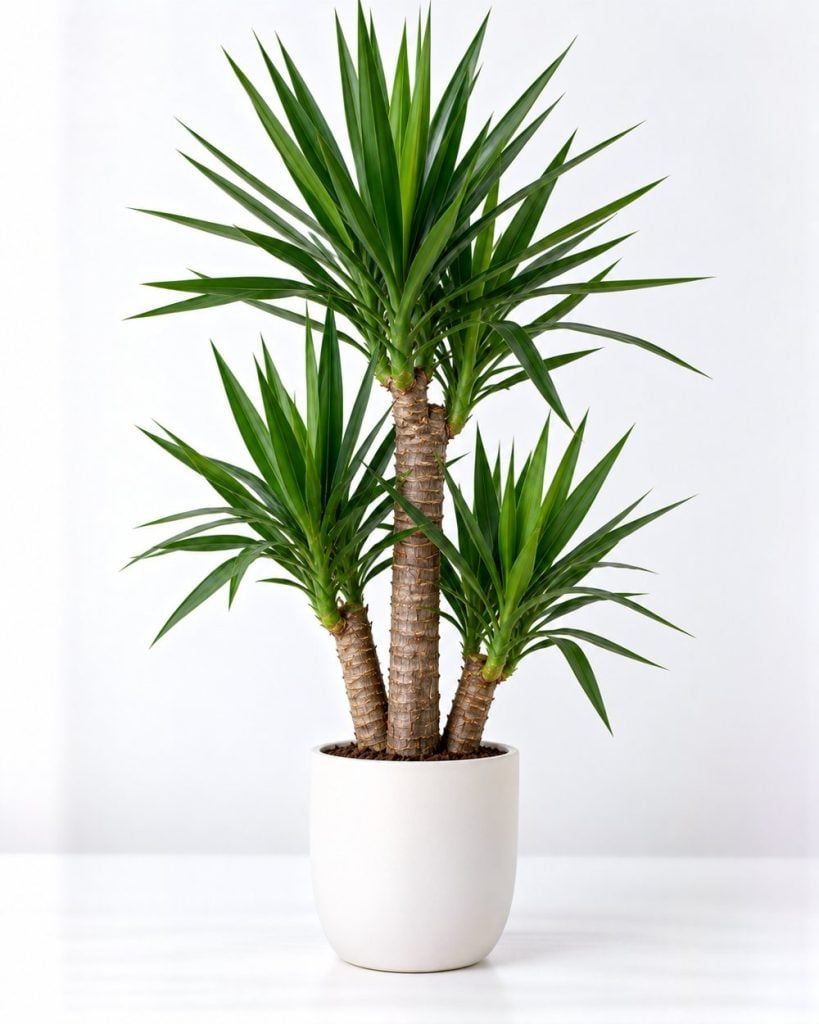
3.Yucca
Yucca giganteaA south or west window with some direct sun each day keeps the leaves stiff and upright. Move it from a dim store into strong sun slowly, or the leaves can burn. In weak light the leaves turn thin and pale and flop over. It is toxic to cats and dogs, and the tips are sharp.
Read the full care guide →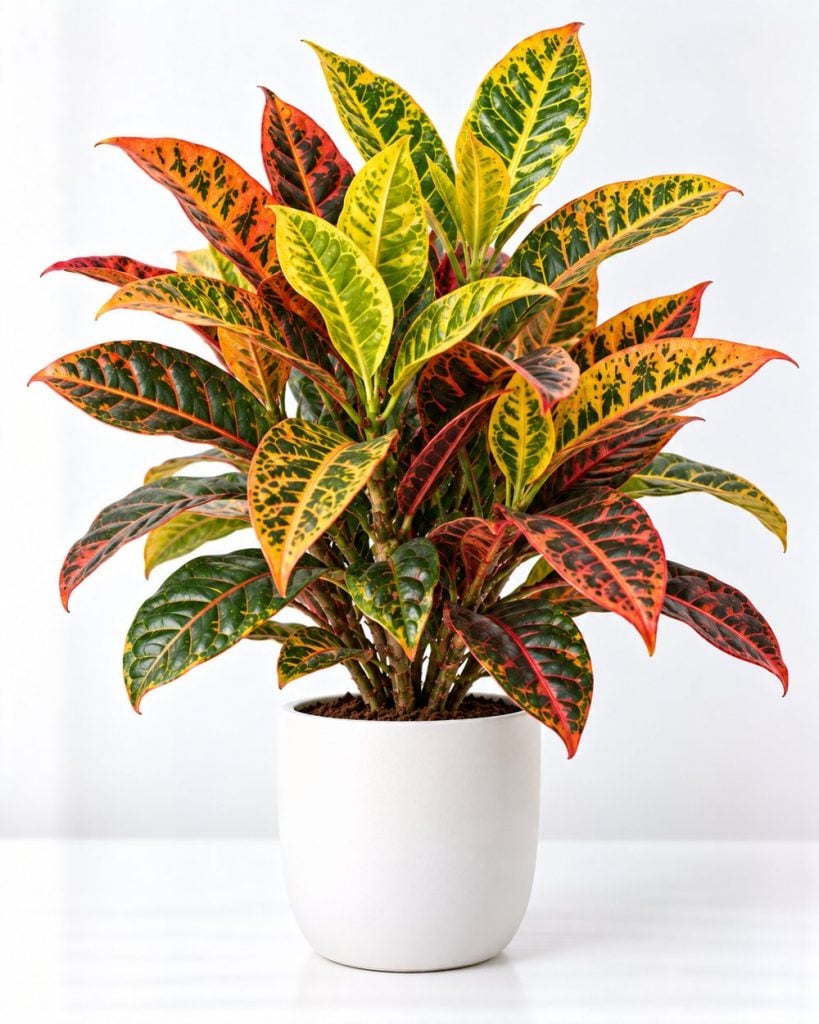
4.Croton
Codiaeum variegatumStrong light is what keeps those red, gold, and orange leaves colored. Without a few hours of direct sun, ideally in the morning, new growth comes in green and lower leaves drop. It also sheds leaves after a move or a cold draft. The sap irritates skin and is toxic to pets.
Read the full care guide →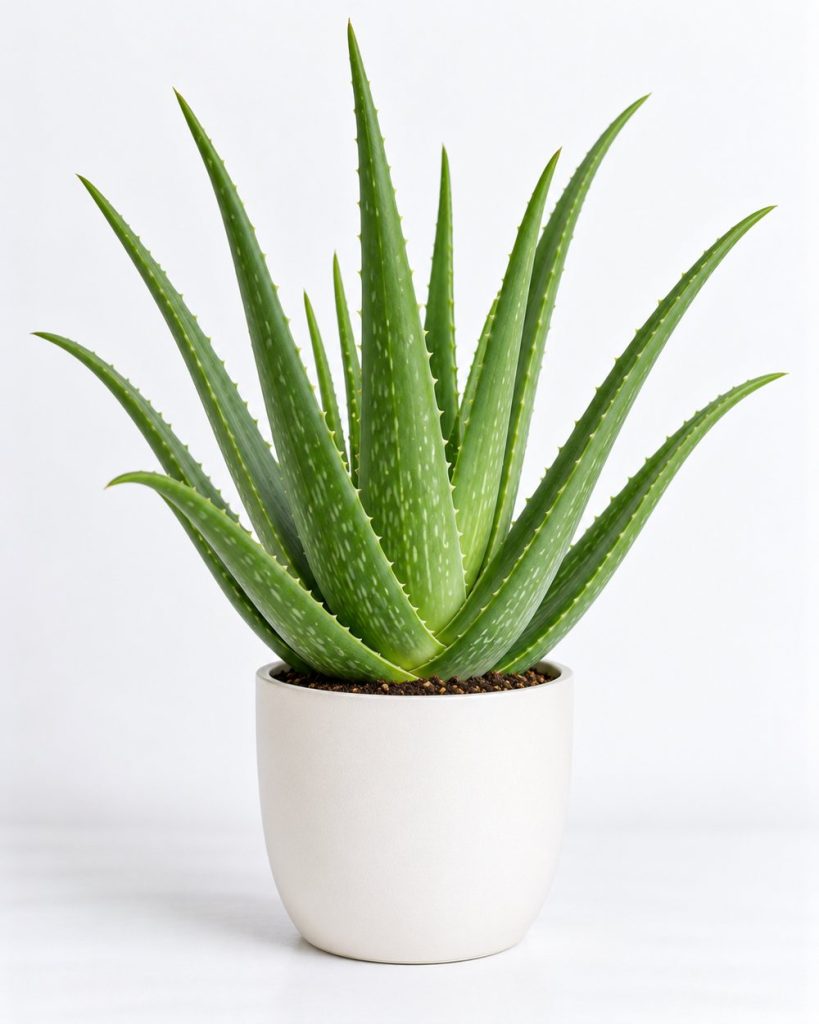
5.Aloe Vera
Aloe veraAloe is happiest right on a sunny south or west sill. With less light, the leaves stretch, turn pale, and lean. Hot summer sun after a dim winter can stress it into a brownish color, so ease it back into the brightest spot. It is toxic to cats and dogs.
Read the full care guide →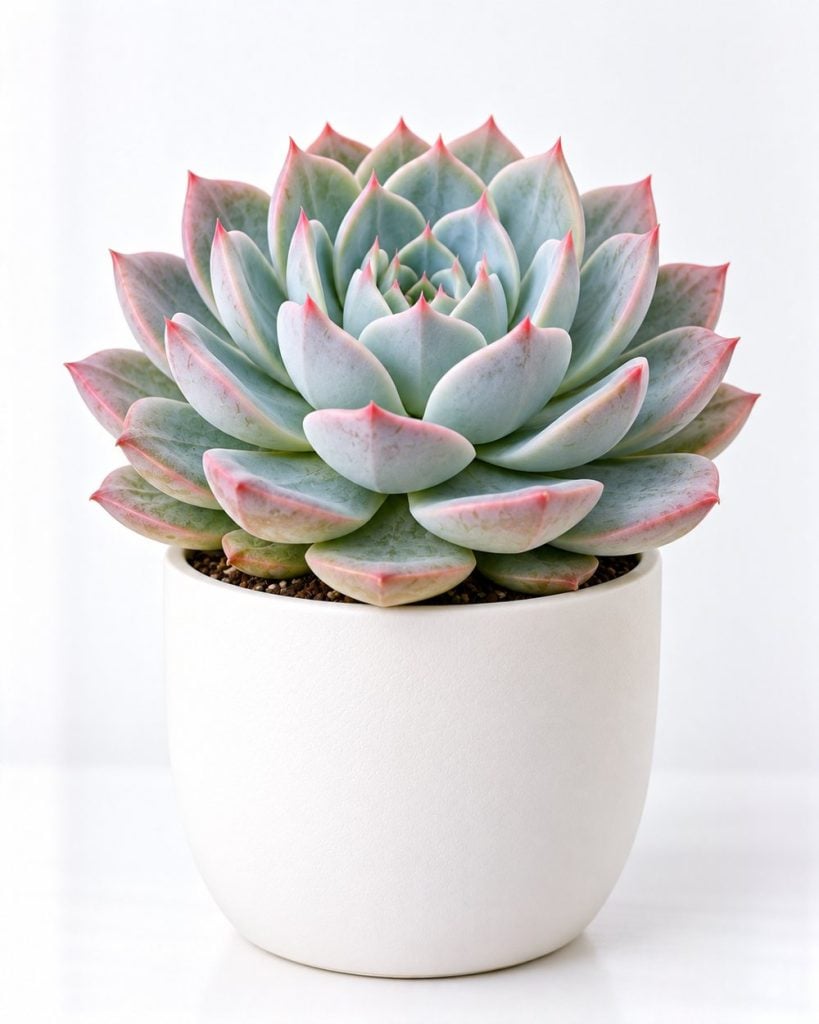
6.Echeveria
Echeveria spp.Four to six hours of direct sun a day is the price of a tight, colorful rosette. Give it less and it opens up and leans toward the glass. A south or west sill is best, or a grow light 6 to 12 inches above it. It is non-toxic to cats and dogs.
Read the full care guide →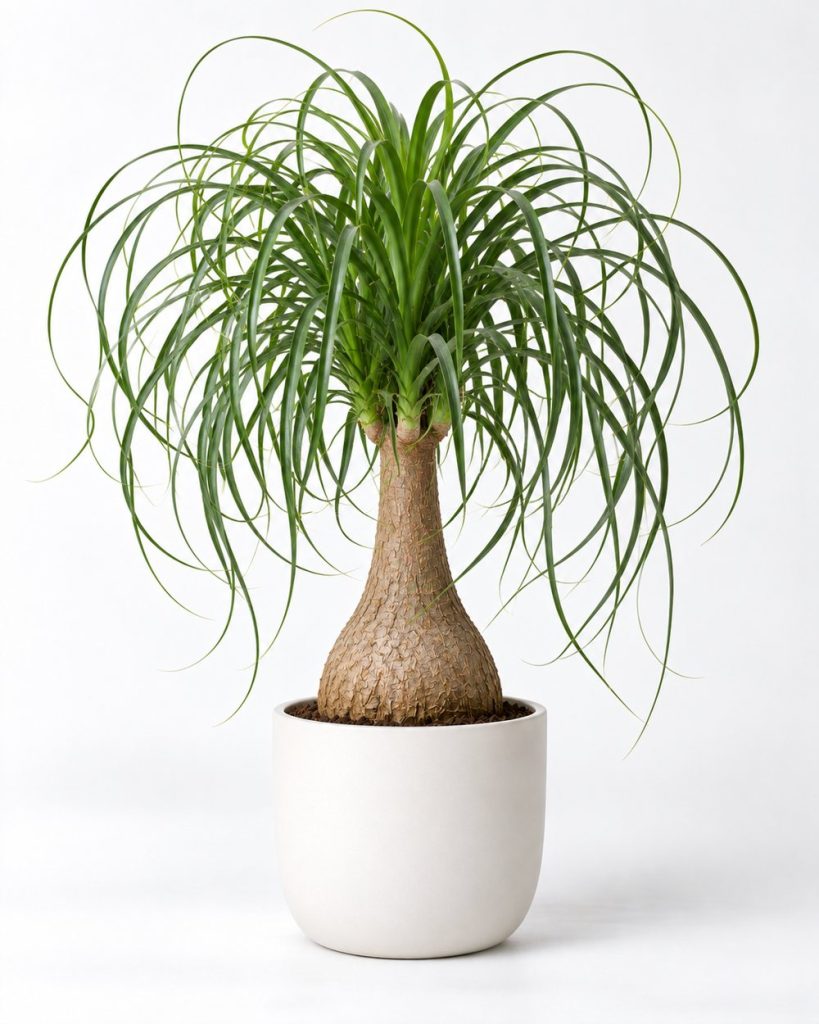
7.Ponytail Palm
Beaucarnea recurvataSome direct sun is good for this one, which makes it a fit for a hot west window that would burn leafy plants. It grows very slowly, so it will not outgrow the spot for years. Water only when the soil is dry all the way, and less in winter.
Read the full care guide →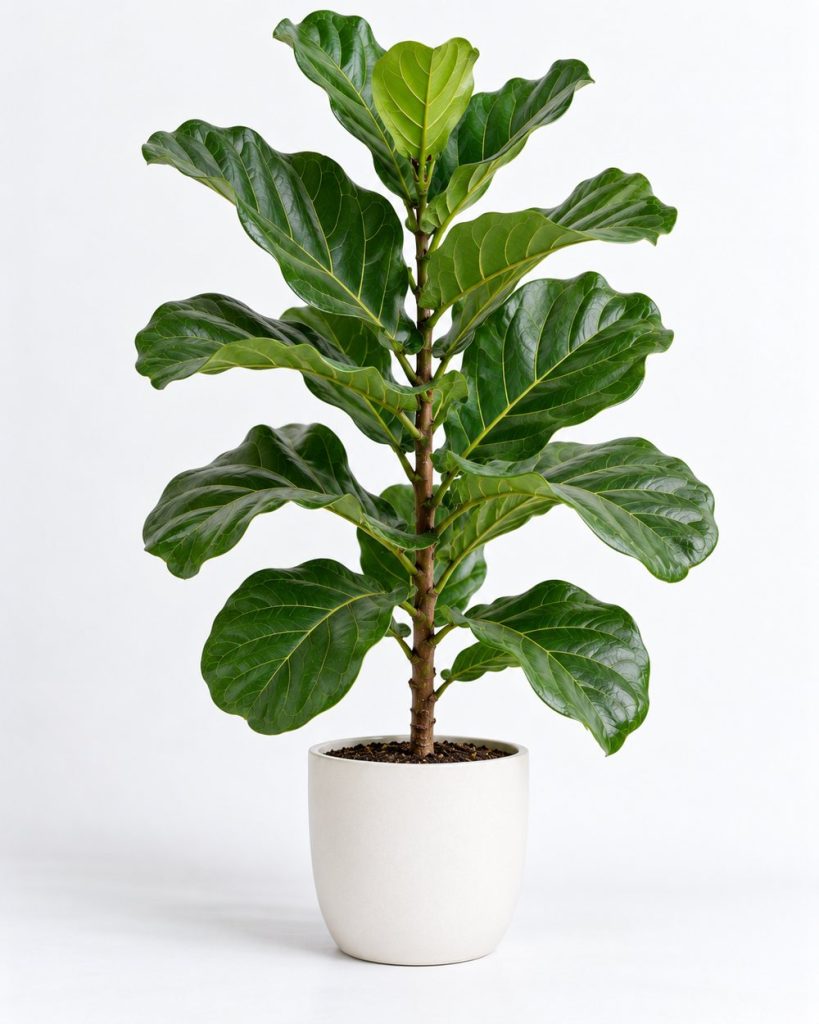
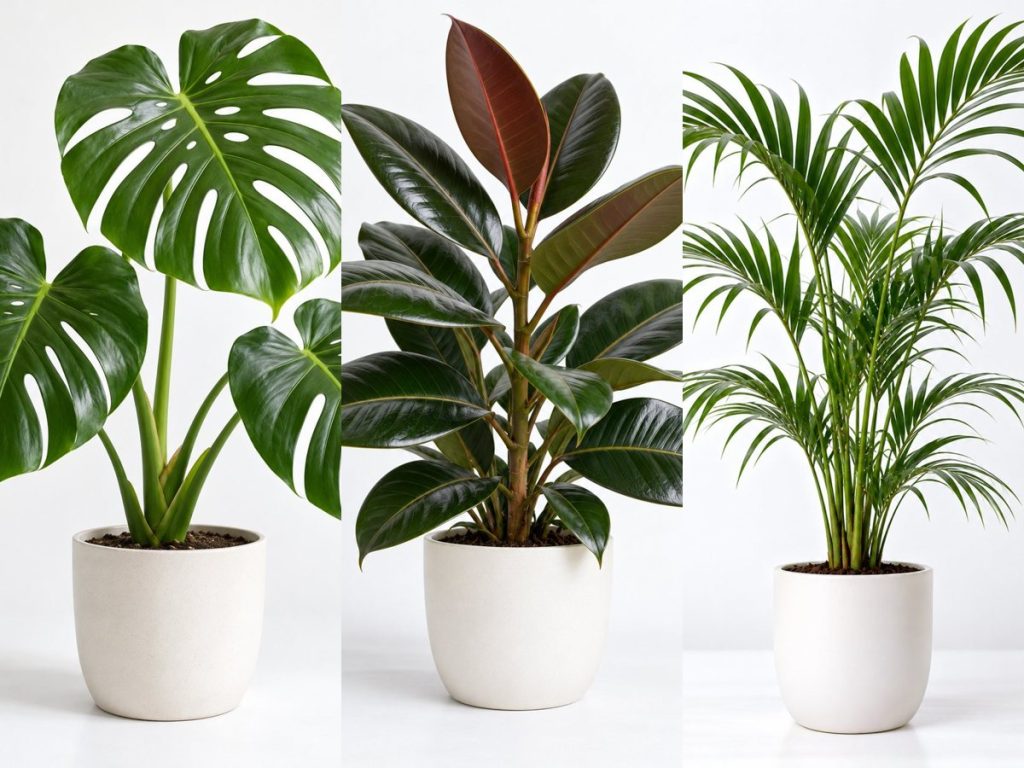
8.Fiddle-Leaf Fig
Ficus lyrataBright light is the one thing this tree cannot do without, and even with it, the plant is rated Hard. Choose a spot a few feet from a big east or south window, then leave it there. It drops leaves after moves and cold drafts. If you want an easier tree, see the rubber plant below.
Read the full care guide →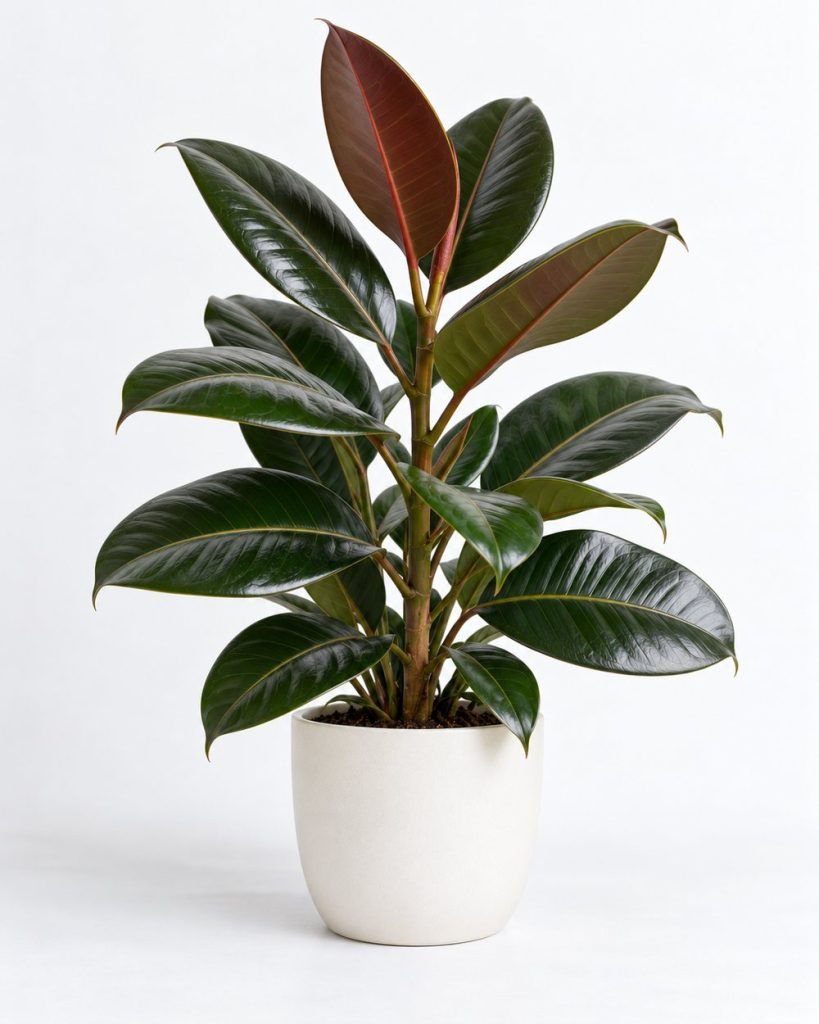
9.Rubber Plant
Ficus elasticaIn bright light, a rubber plant can grow a few feet in a year and stays full instead of leggy. It is the calmer choice for anyone who wants a big tree. It does not like being moved, and the sap irritates skin, so wear gloves when you prune.
Read the full care guide →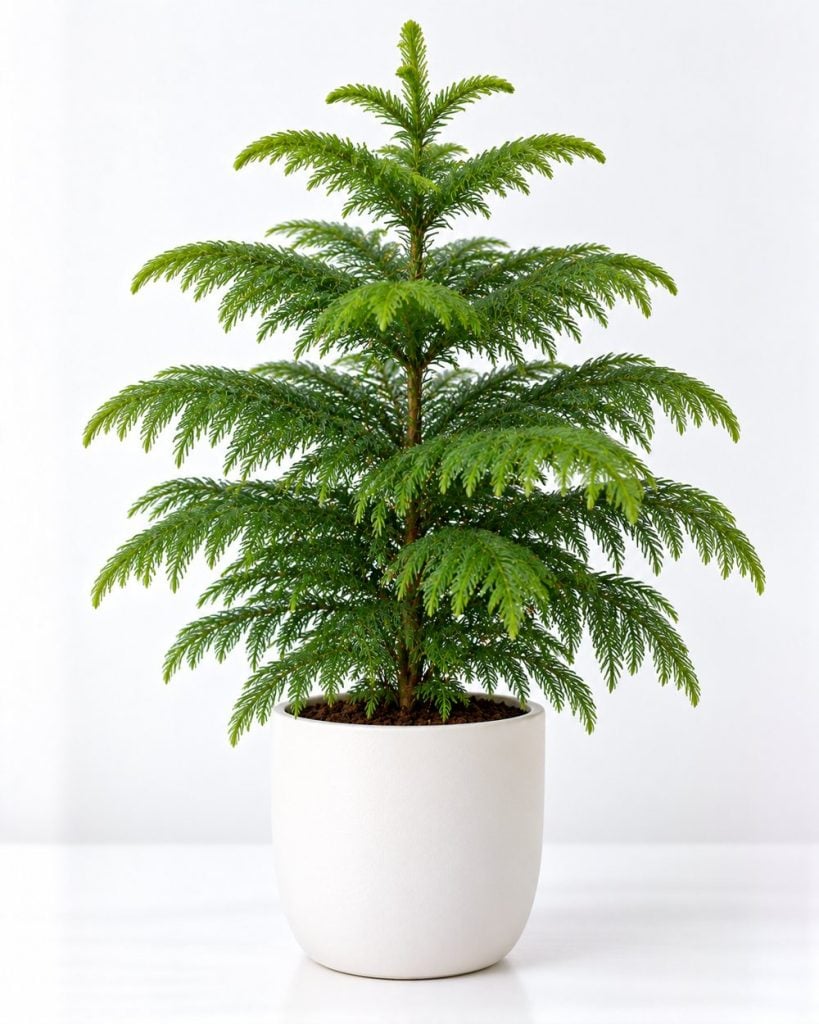
10.Norfolk Island Pine
Araucaria heterophyllaThis soft conifer needs to sit right beside your brightest window. Put it in a dim room and it lasts a year or two before the lower branches fade and fall. Rotate the pot weekly so it does not lean. Dry winter air is its other struggle, so a humidifier helps. It is pet-safe.
Read the full care guide →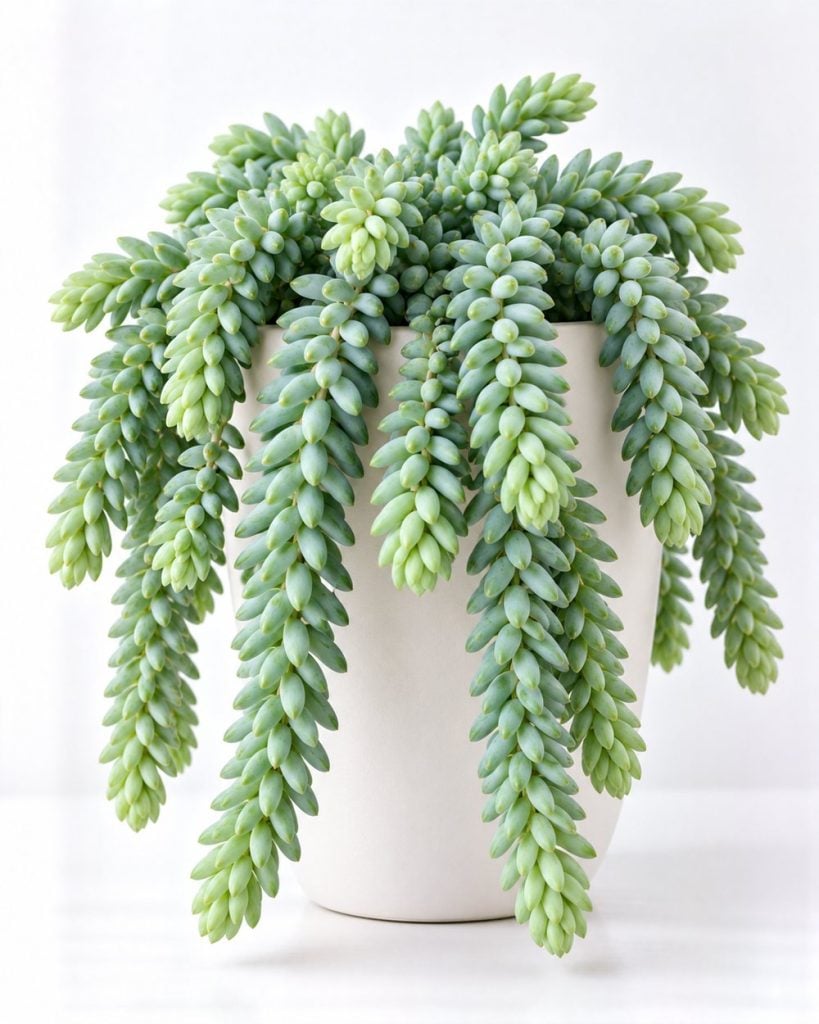
11.Burro's Tail
Sedum morganianumSun brings out the fattest beads and the tightest tails. An east or west window works, or the edge of a sunny south one. A plant fresh from the store needs a gentle start before full sun. Pet-safe, yes, but the beads drop if anyone brushes past.
Read the full care guide →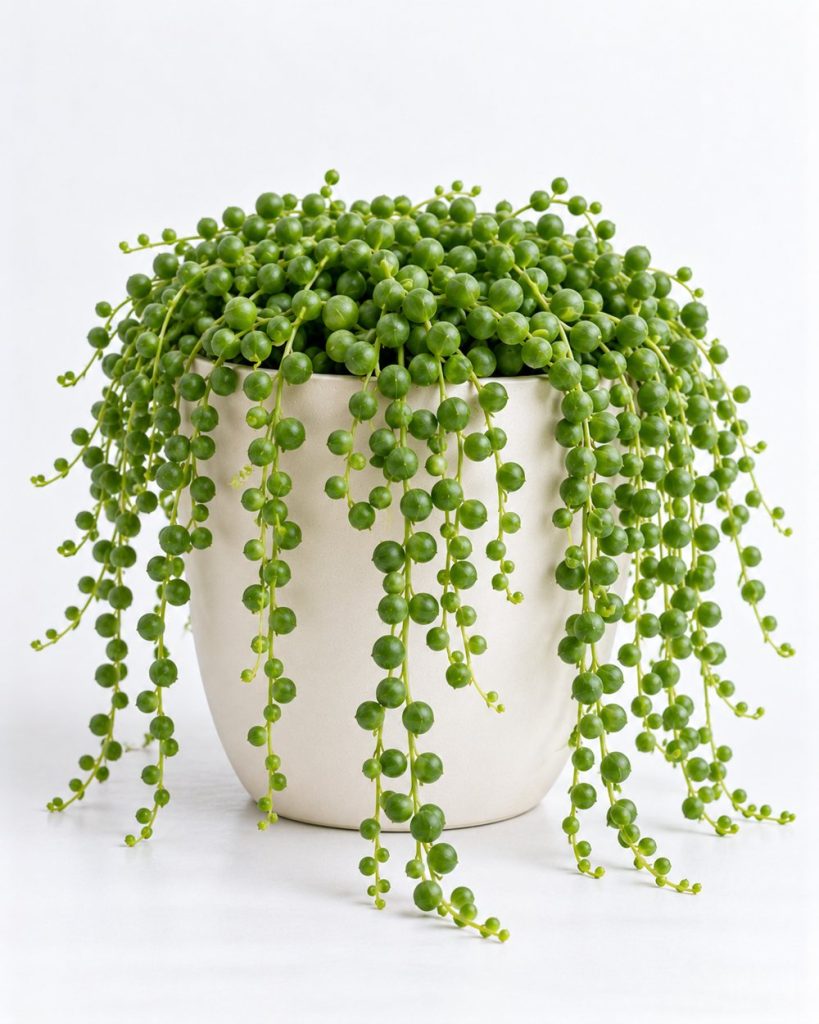
12.String of Pearls
Curio rowleyanusA bright window keeps the top of the pot full instead of bare, and a little gentle morning sun helps. Even in great light, this is a Hard plant. The thin roots rot fast in wet soil, so water only when the soil is dry most of the way down.
Read the full care guide →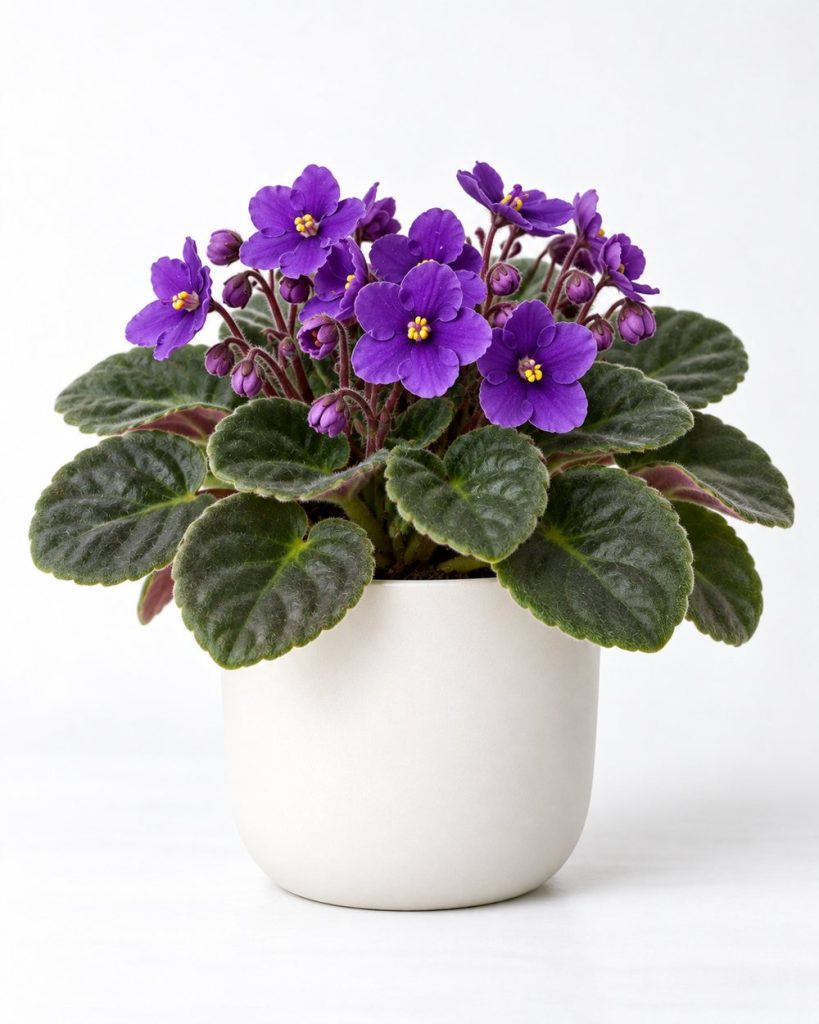
13.African Violet
Streptocarpus ionanthusBright indirect light keeps the flowers coming, but hot direct sun burns the fuzzy leaves. An east window, or a spot just back from a south window, works well. It also wants steady watering onto the soil or from below, never cold water on the leaves.
Read the full care guide →Watch your plants for the first few weeks after a move to a brighter spot. Pale, bleached, or crispy patches on the side facing the glass mean too much sun too soon, so pull the pot back a foot. Leaning hard toward the window means the opposite. A quarter turn of each pot every week or two keeps growth even on all sides.
Frequently asked questions
How do I know if my window counts as bright light?
Look at the shadow your hand casts at midday. A sharp, clear shadow means bright light, and a soft, blurry one means medium light. South and west windows are usually the brightest.
Can bright light plants live under a grow light?
Smaller ones can. Jade, aloe, and African violets do well under a good LED grow light set close above them. Big floor plants like the fiddle-leaf fig need far more light than a desk lamp can give.
Should I move bright light plants in winter?
Often yes. Winter sun is weaker, so moving plants closer to the glass helps. Just keep leaves from touching cold panes, and keep pots away from heat vents.
Want a plant picked for you?
Take a plant quiz