12 Pet-Safe Plants for Low Light Rooms
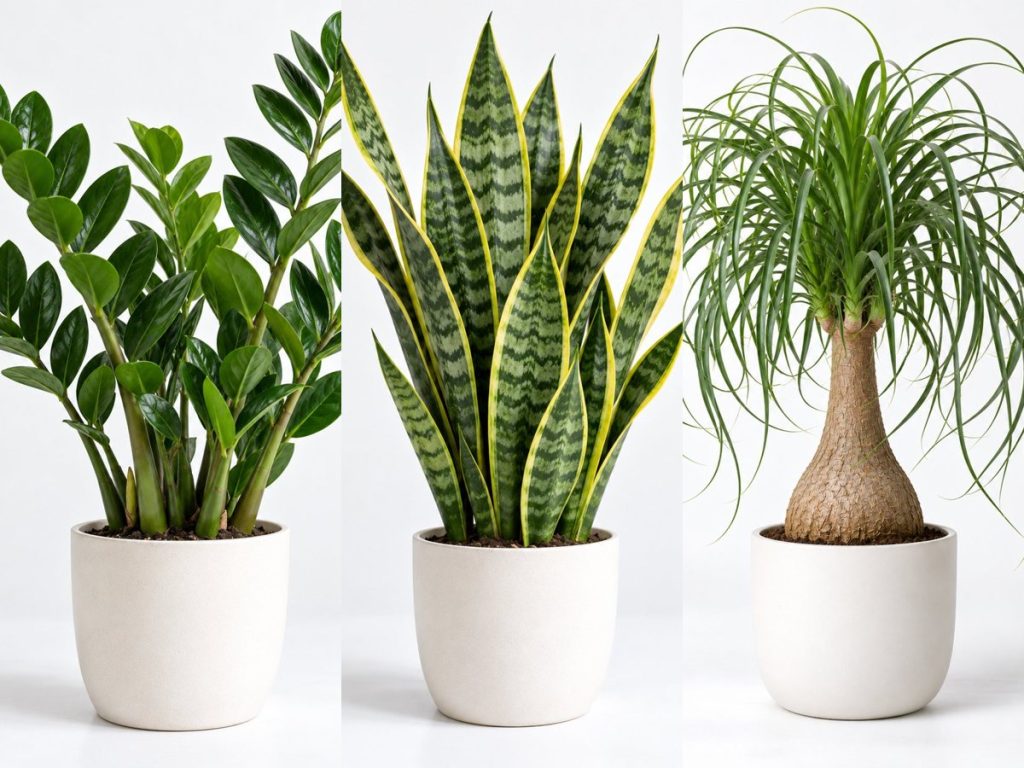
Most lists of pet-safe plants assume a sunny window, and most lists of shade plants are full of plants that are toxic to cats and dogs. Put the two together and the choice shrinks. The ZZ plant, snake plant, pothos, and peace lily, the usual answers for a dim room, are all on the ASPCA toxic list.
What is left is still a decent group. Every plant here is listed as non-toxic to both cats and dogs by the ASPCA, and each copes with low or medium light. A few are tough. Others are fussy about water and damp air, and the notes say which. Non-toxic is not the same as edible, so a pet that eats a lot of any leaf can still throw up. If your cat chews everything, hang the softer plants out of reach.
How we picked: Two tests decided this list, a non-toxic rating for both cats and dogs from the ASPCA and a low or medium light rating in our profiles.
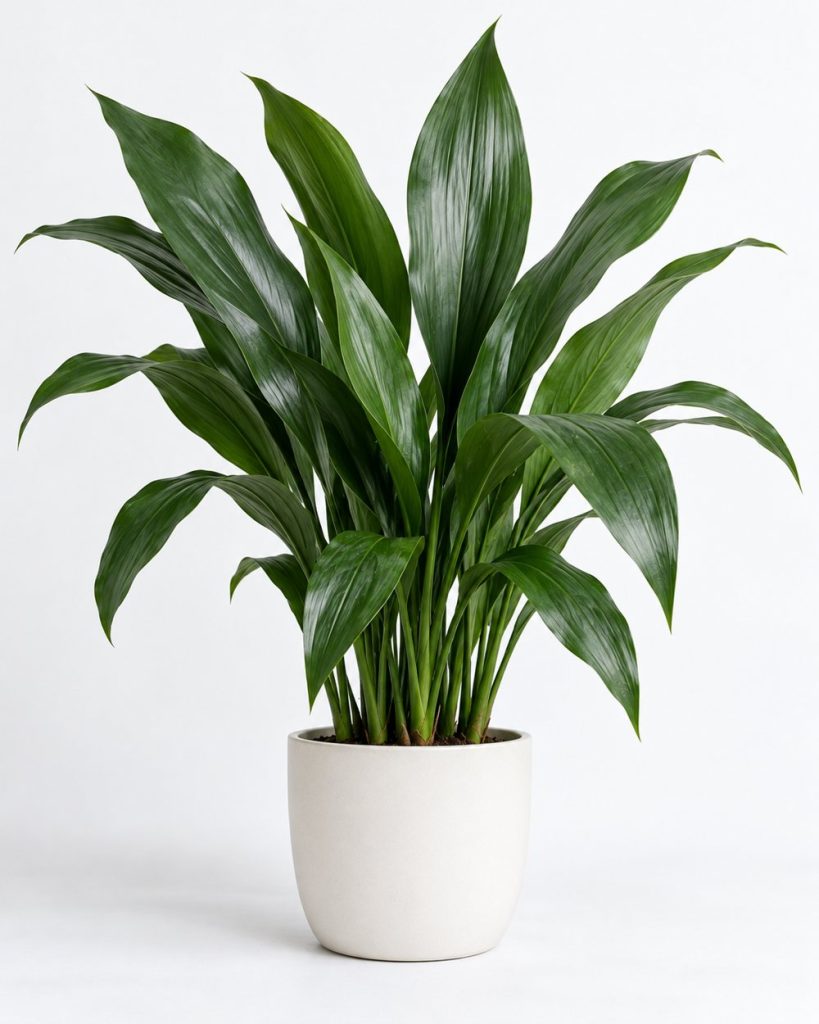
1.Cast Iron Plant
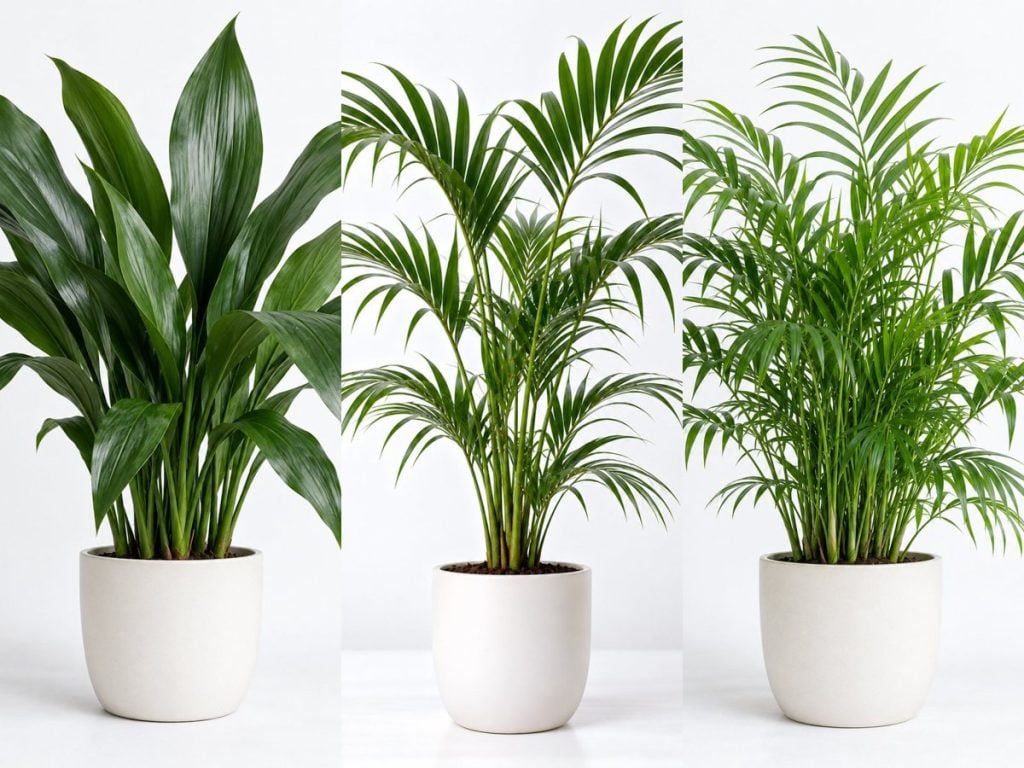
Aspidistra elatiorIf your room is the darkest in the house, start here. It handles deep shade, cool air, and long gaps between drinks, and its leathery leaves hold up to a curious nose. Growth is slow, only a few new leaves a year. That is why a big pot costs so much, so buy one close to the size you want.
Read the full care guide →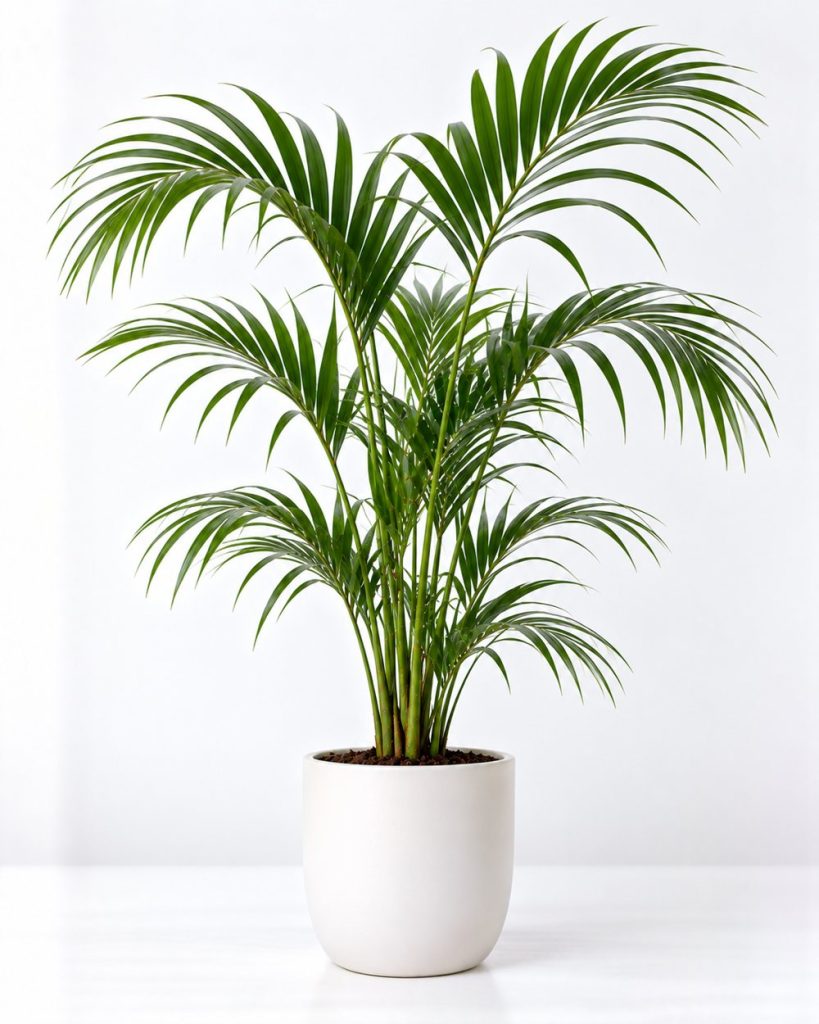
2.Kentia Palm
Howea forsterianaBig, safe, and happy in a dim corner is a rare mix, and this palm has it. It looks fullest in medium light but copes with low light. The ASPCA lists it as non-toxic, though chewed fronds may cause a mild upset stomach. Its slow growth means a tall plant comes with a tall price.
Read the full care guide →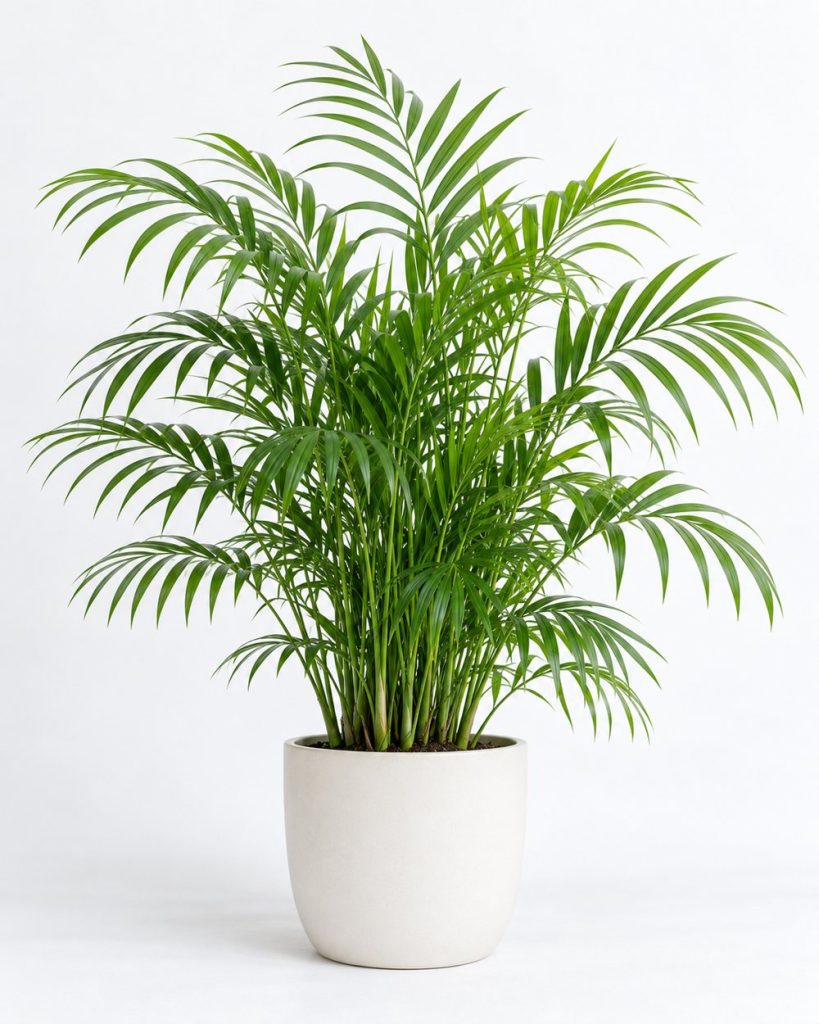
3.Parlor Palm
Chamaedorea elegansSmall rooms suit this palm better than the kentia, since it stays 2 to 4 feet tall. It is fine in low light and happiest a little closer to a window. Cats may bat at the fine fronds. In heated rooms over winter, check under the fronds for the fine webbing of spider mites.
Read the full care guide →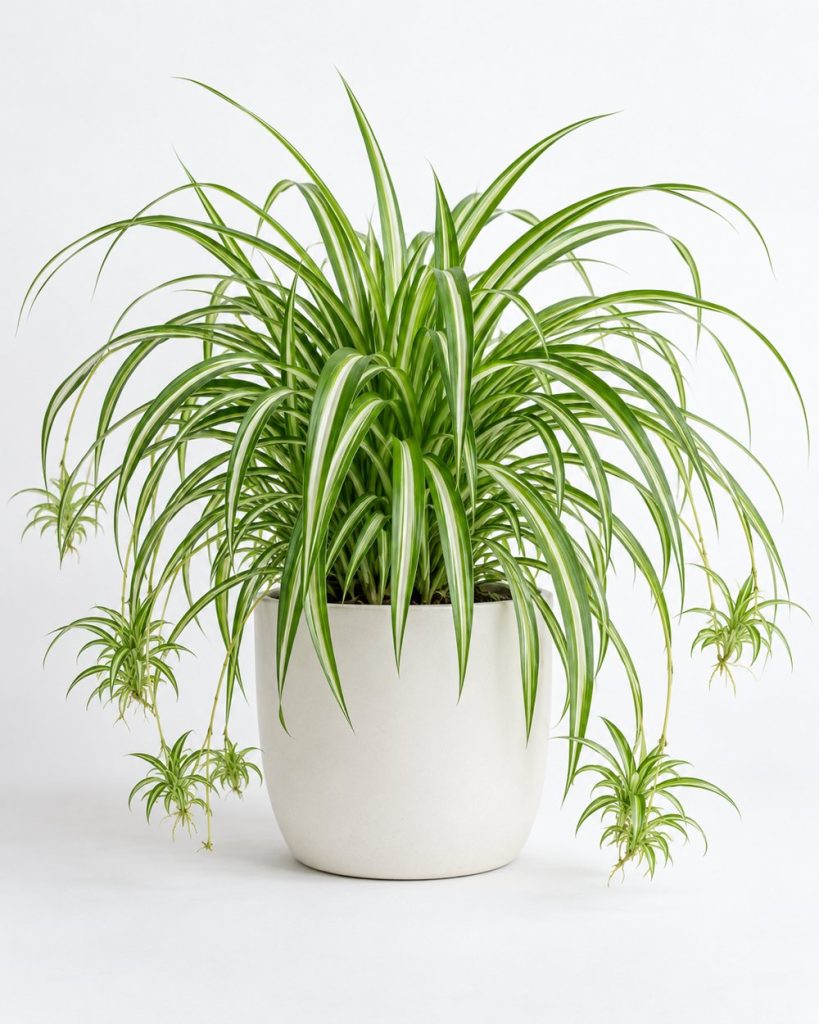
4.Spider Plant
Chlorophytum comosumIn a dim room it survives, but give it medium light a few feet from a window and it starts making babies. That is the version worth owning. Cats love to chew the grassy leaves, which is safe but leaves the plant ragged. A hanging pot keeps both of you happy.
Read the full care guide →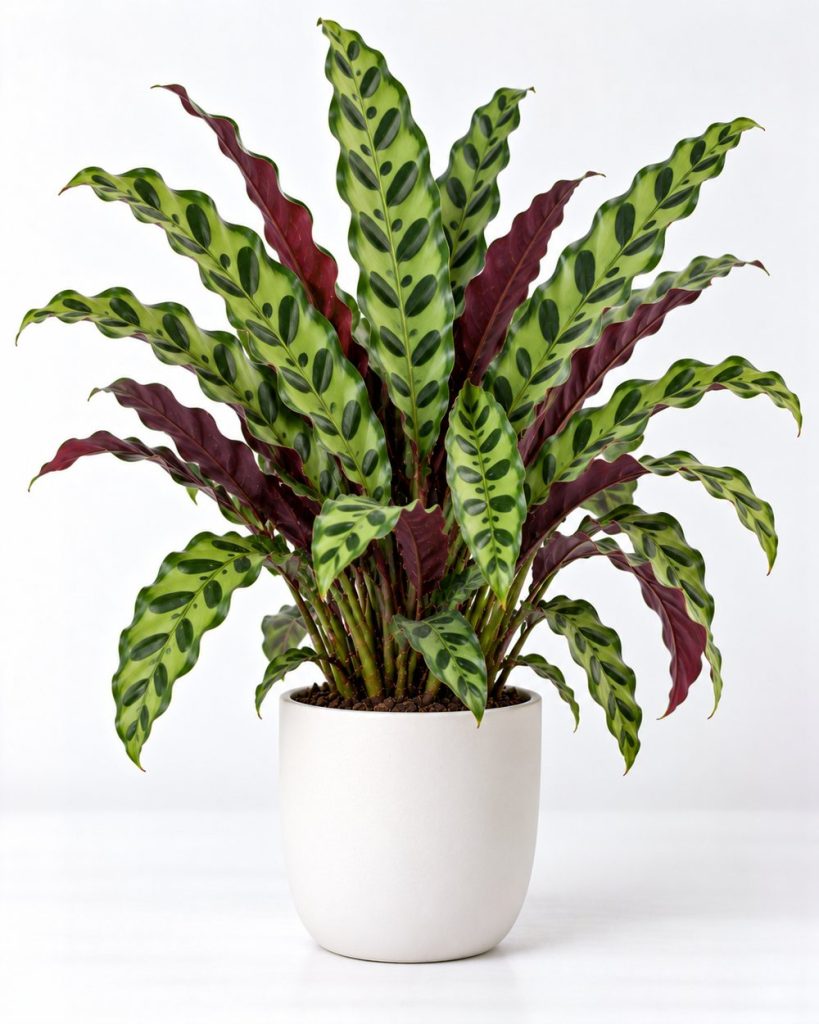
5.Rattlesnake Plant
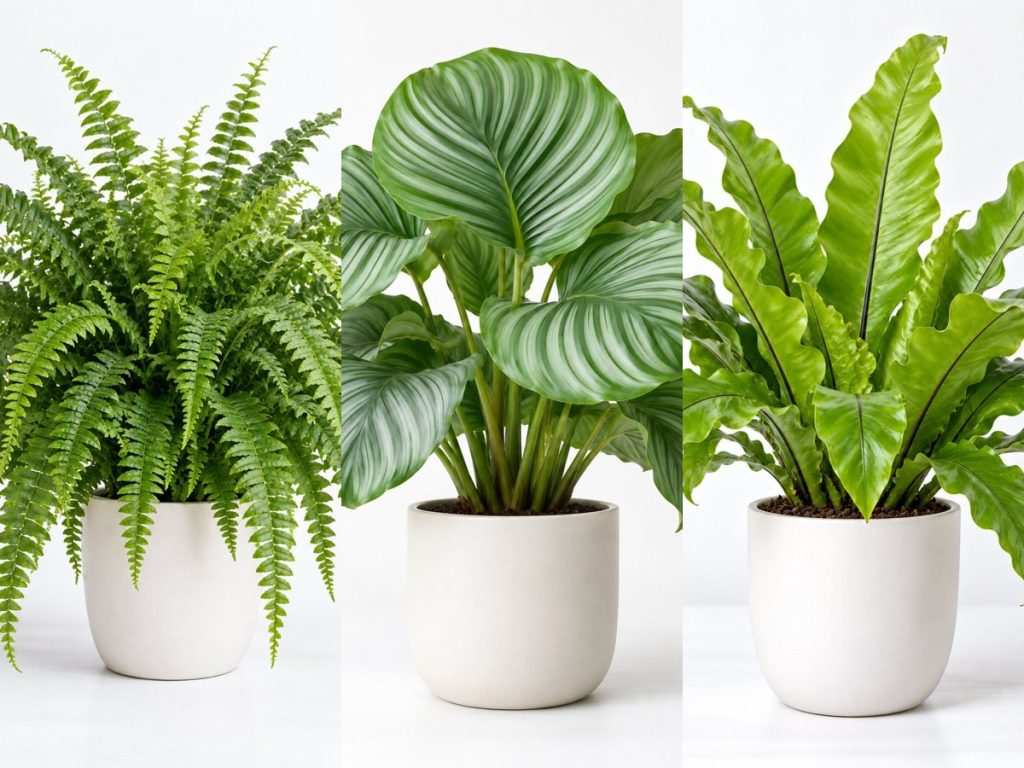
Goeppertia insignisWavy, spotted leaves with purple backs give you pattern without a sunny window. Of the calatheas, this one copes best with a darker corner, and the ASPCA lists it as non-toxic. It is not low effort. The soil should stay evenly damp and the air humid, or the leaf edges brown and curl.
Read the full care guide →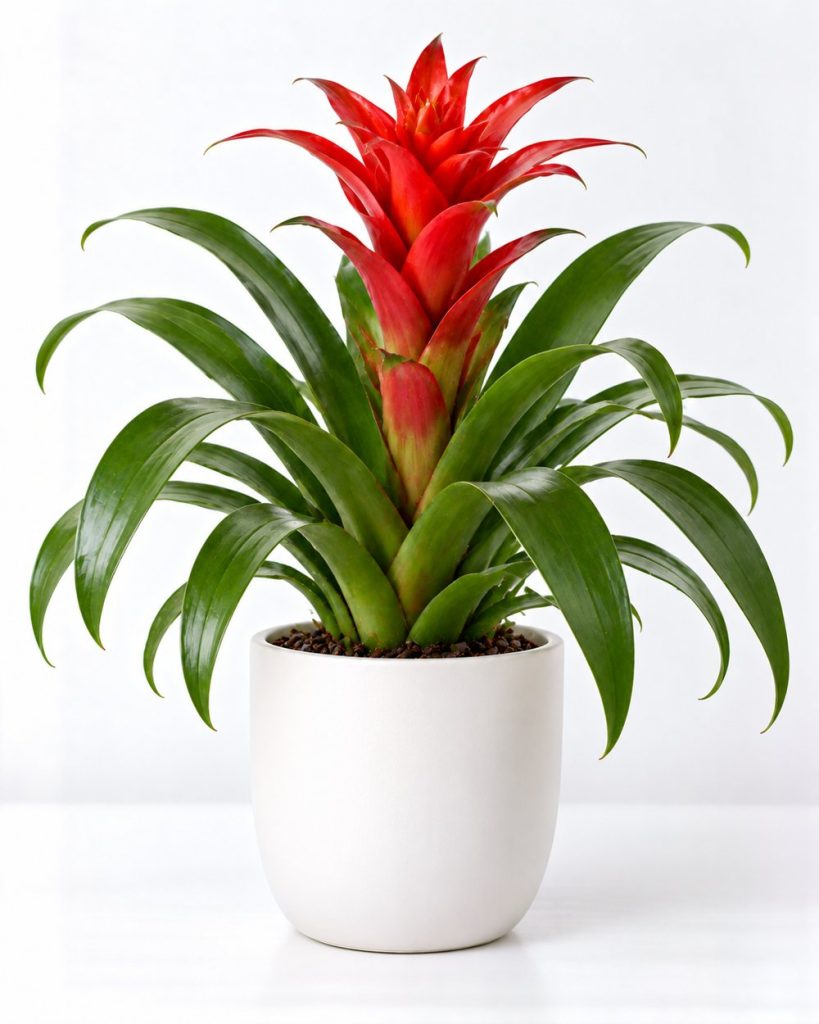
6.Bromeliad
Guzmania lingulataWant color in a shady room with a cat? This is the easiest way to get it. The bracts stay bright for two to four months in medium light, and the plant is non-toxic. Then the mother plant dies back and leaves pups. Keep only a little water in the center cup and change it often.
Read the full care guide →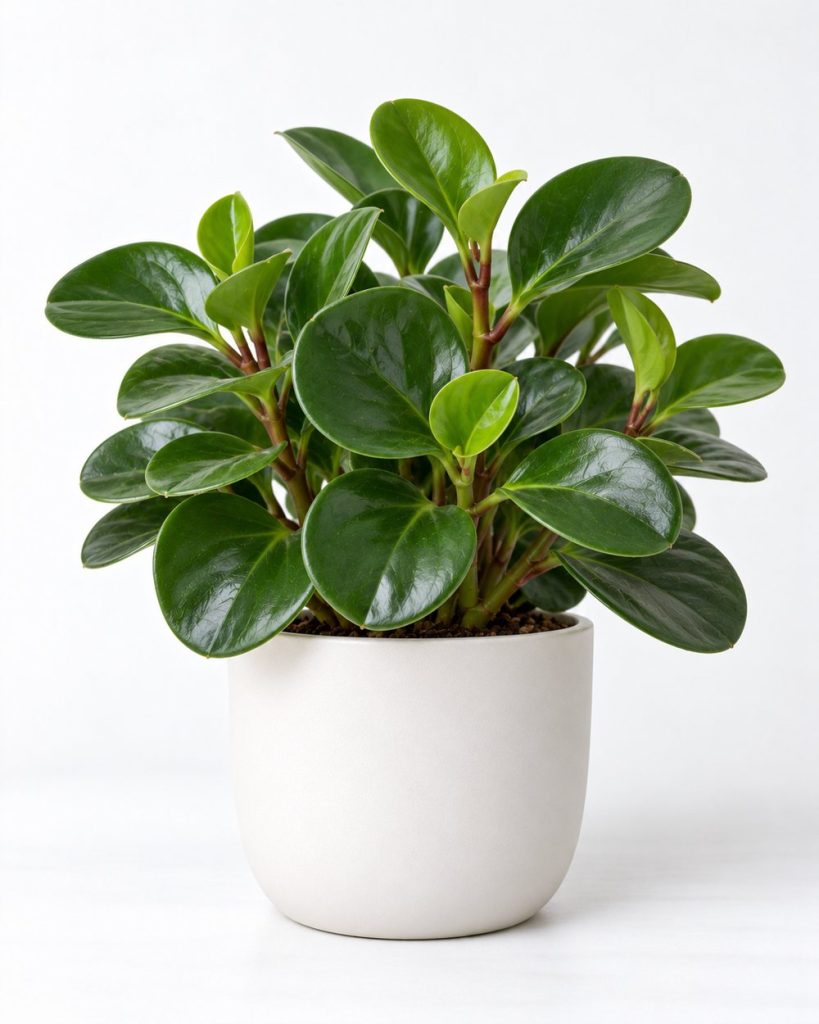
7.Peperomia
Peperomia obtusifoliaSmall enough for a shelf and sturdy enough for a beginner, it copes with medium light and goes a week or two between drinks. It is non-toxic to cats and dogs. In real low light, growth slows to almost nothing. A big pot is the usual mistake, since extra soil stays wet and rots the roots.
Read the full care guide →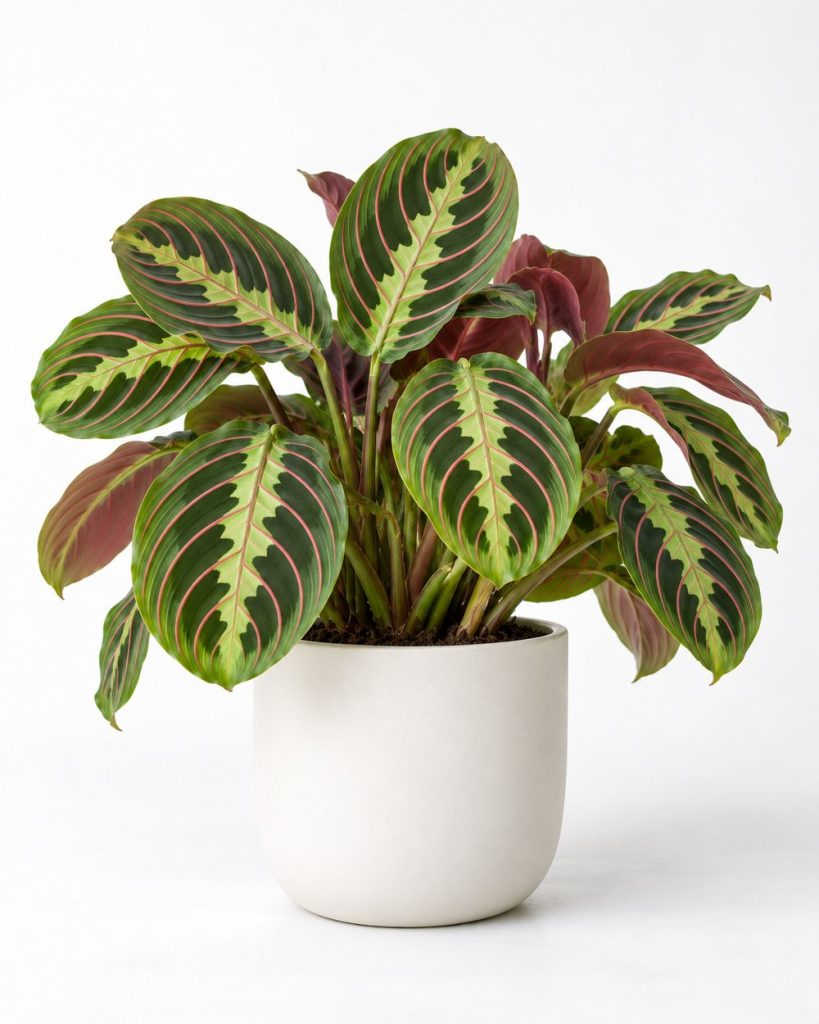
8.Prayer Plant
Maranta leuconeuraLeaves that fold up at night are fun to watch from the sofa, and the plant is safe for pets. It wants medium light, not a dark corner, and soil that stays lightly moist. Dry air browns the leaf edges, so it does best in a bathroom or near a humidifier.
Read the full care guide →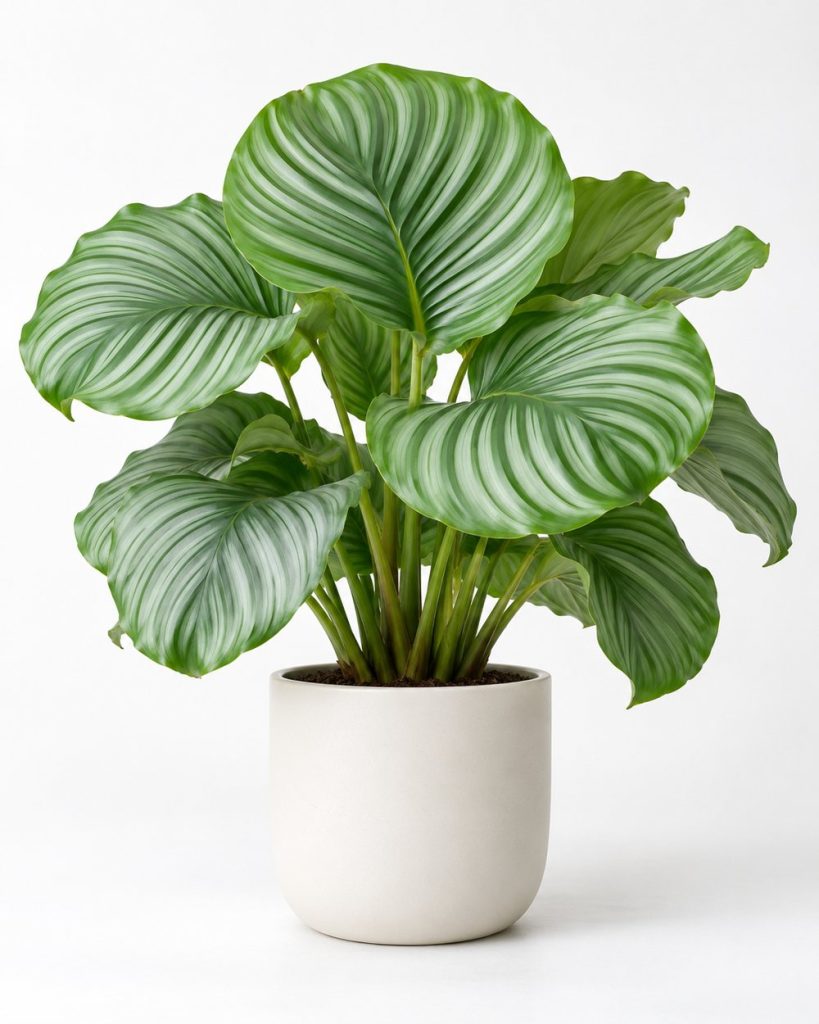
9.Calathea Orbifolia
Goeppertia orbifoliaBig round leaves with silver stripes make this the showiest plant on the list, and it is happy with medium light. It is also rated Hard. Dry air, hard tap water, and uneven watering can all mark the leaves. Pick it only if you enjoy checking on a plant every few days.
Read the full care guide →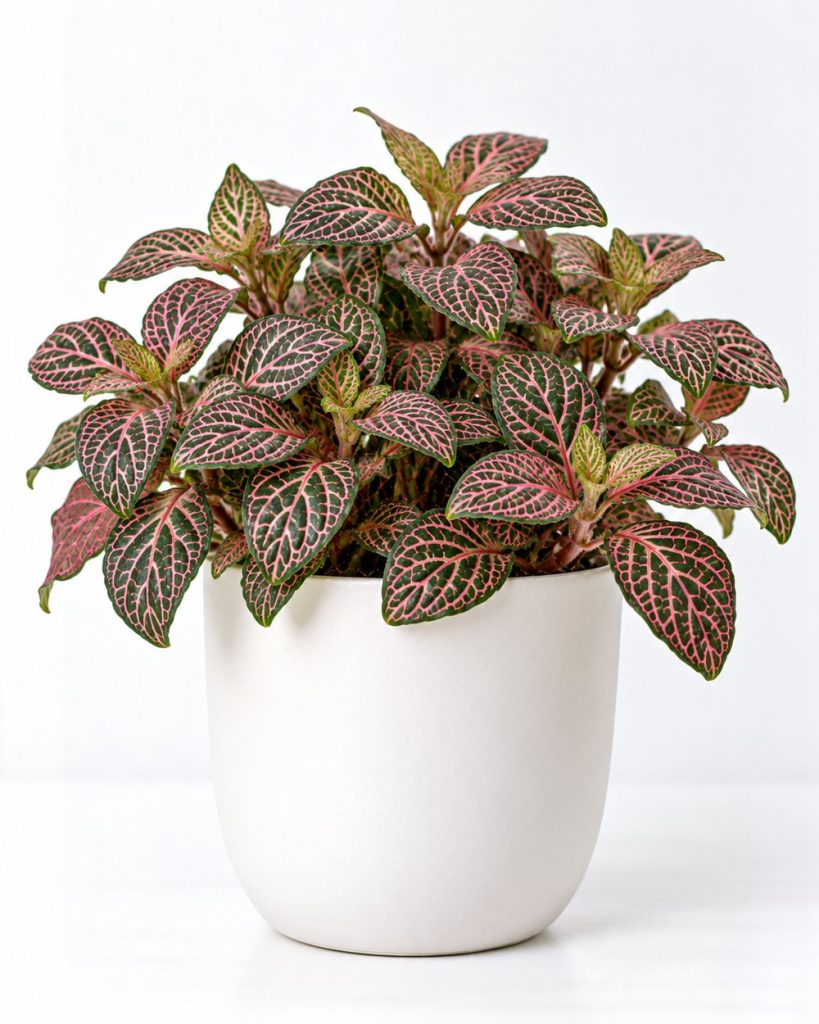
10.Nerve Plant
Fittonia albivenisA small pot of pink or white netted leaves is a nice fit for a desk under office lights or a shelf near a north window. It is non-toxic. It also faints flat when the soil dries, then stands back up after a drink. Do that too often and the lower stems go bare.
Read the full care guide →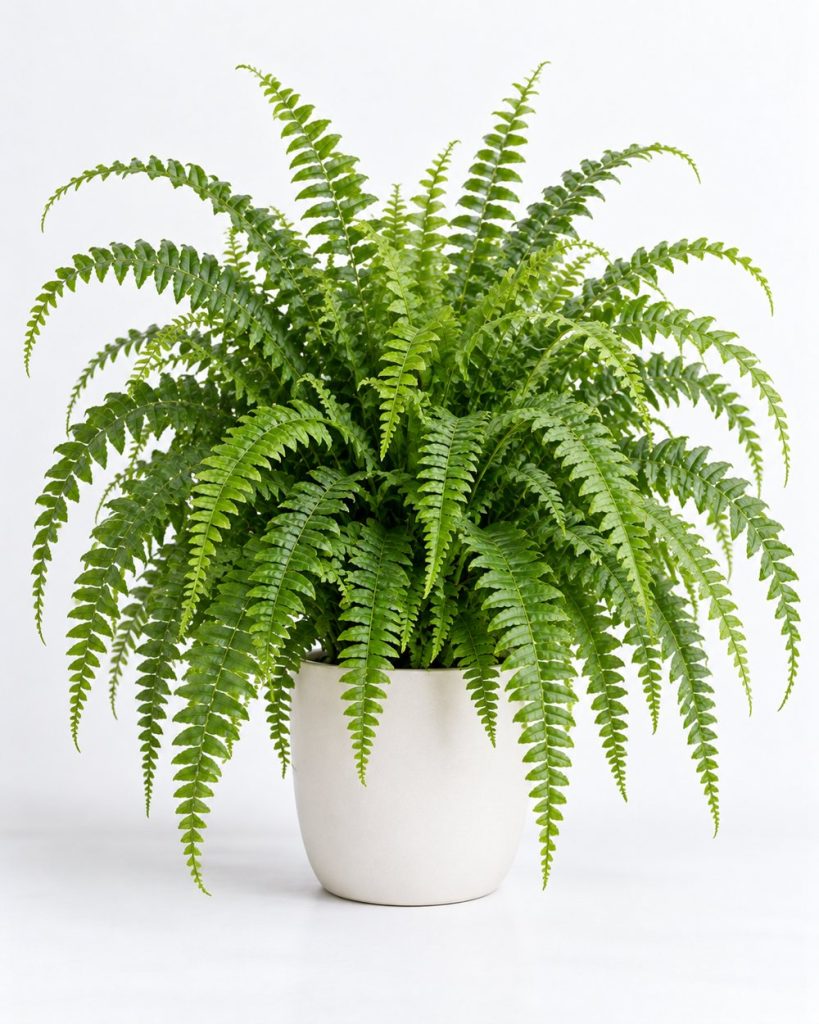
11.Boston Fern
Nephrolepis exaltataSofter and fuller than most pet-safe options, this fern is happiest in a bathroom or kitchen with a medium window. It needs the most water of anything here, often once or twice a week. Dry heat makes it drop leaflets everywhere. In a dim, dry room it will struggle, so save it for the damp spots.
Read the full care guide →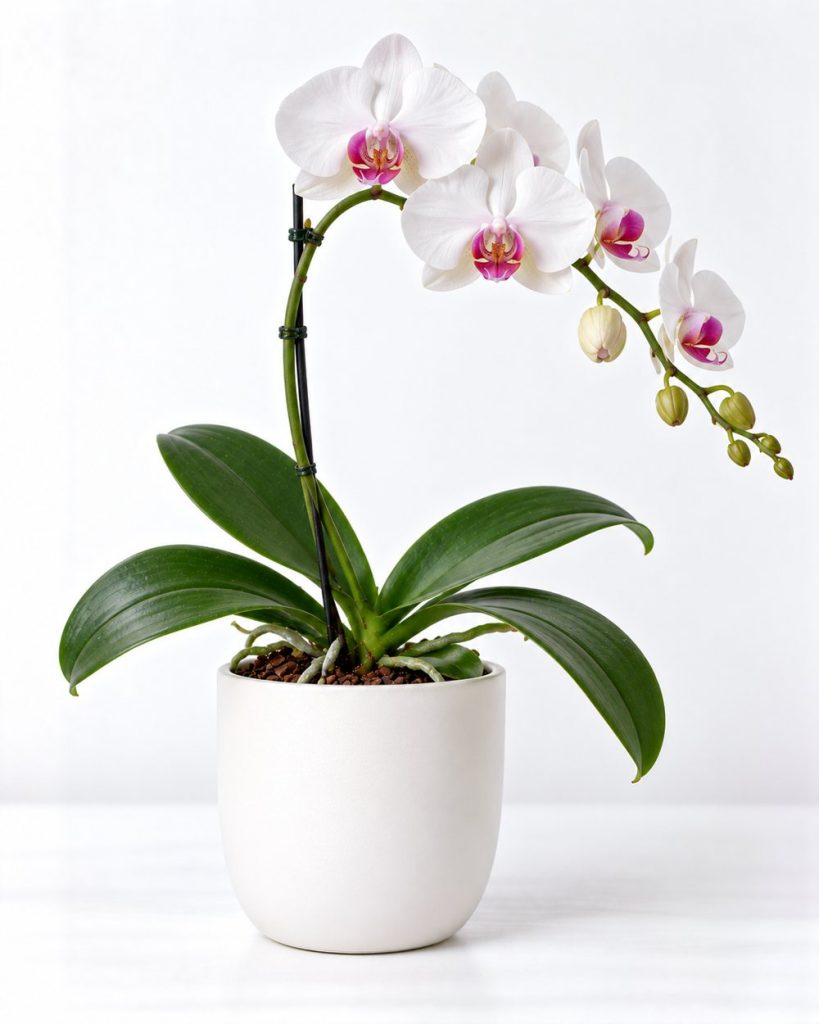
12.Moth Orchid
Phalaenopsis spp.Of the two flowering picks here, the moth orchid needs the brightest spot. An east window with soft morning light is ideal. The ASPCA lists it as non-toxic. Push it too far into the room and the leaves turn very dark green, a sign it is short on light and unlikely to bloom again.
Read the full care guide →Busy owners with a dim room should pick from the top of this list. If you like a plant that needs some attention, look near the bottom. Either way, put the pot where your pet cannot knock it over easily. A non-toxic plant on the floor still makes a mess when the dog wins the tug of war.
Frequently asked questions
Are any of the classic low light plants safe for cats?
Most are not. The ZZ plant, snake plant, pothos, and peace lily are all on the ASPCA toxic list. The cast iron plant and parlor palm are the safest swaps for a really dim room.
What if my cat keeps eating a non-toxic plant?
It can still vomit, and the plant will look chewed. Move the plant up high, or grow a pot of cat grass nearby to give it something else to chew.
Why are there fewer pet-safe plants for shade?
It is mostly chance. Many popular pet-safe plants, like echeveria and the ponytail palm, need bright light, so the shade options are fewer. The plants above are the best of what is left.
Want a plant picked for you?
Take a plant quiz