Prayer Plant
Maranta leuconeura · also called Maranta, Red-veined prayer plant, Herringbone plant
Painted leaves that fold up every night like hands in prayer
- Light
- Bright indirect, Medium light: Best in medium to bright indirect, no direct sun
- Water
- About once a week, keep the soil lightly moist
- Difficulty
- Moderate
- Pet safety
- Non-toxic to cats and dogs
- Size
- Small
- Height
- 6-12 in tall, spreads 12-18 in
- Growth
- Moderate
- Humidity
- Needs extra humidity, 50% or more
- Temperature
- 65-80°F
- Good rooms
- Bathroom, Bedroom, Living room
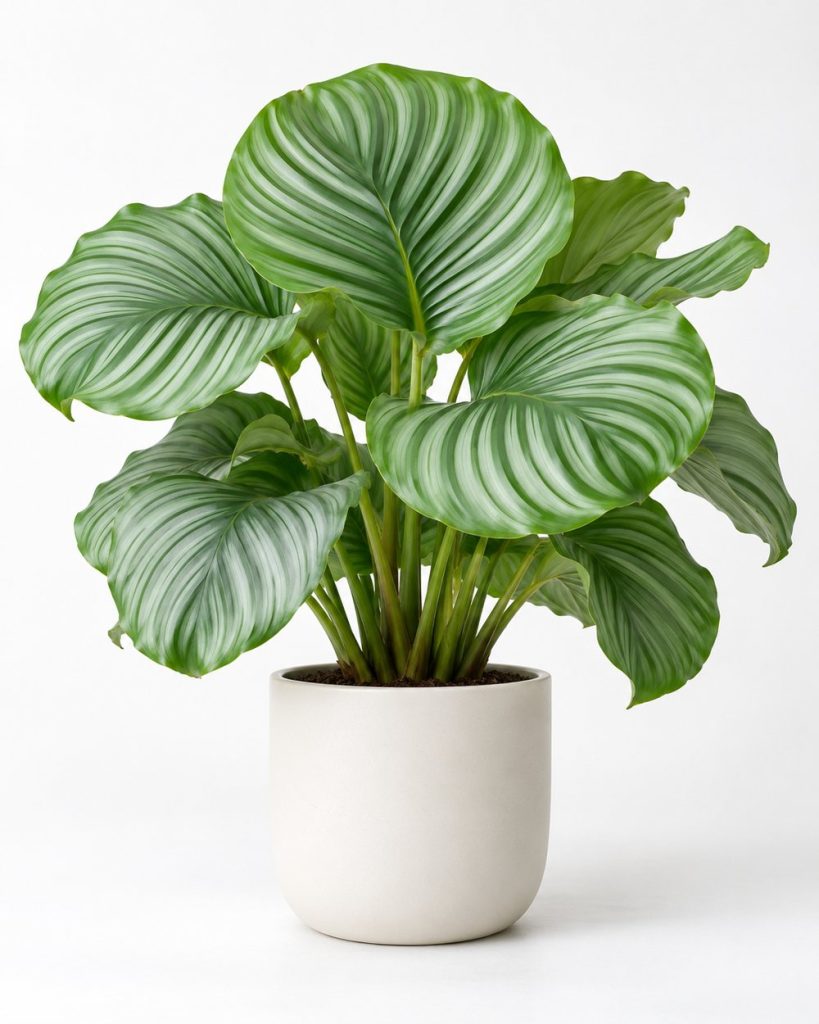
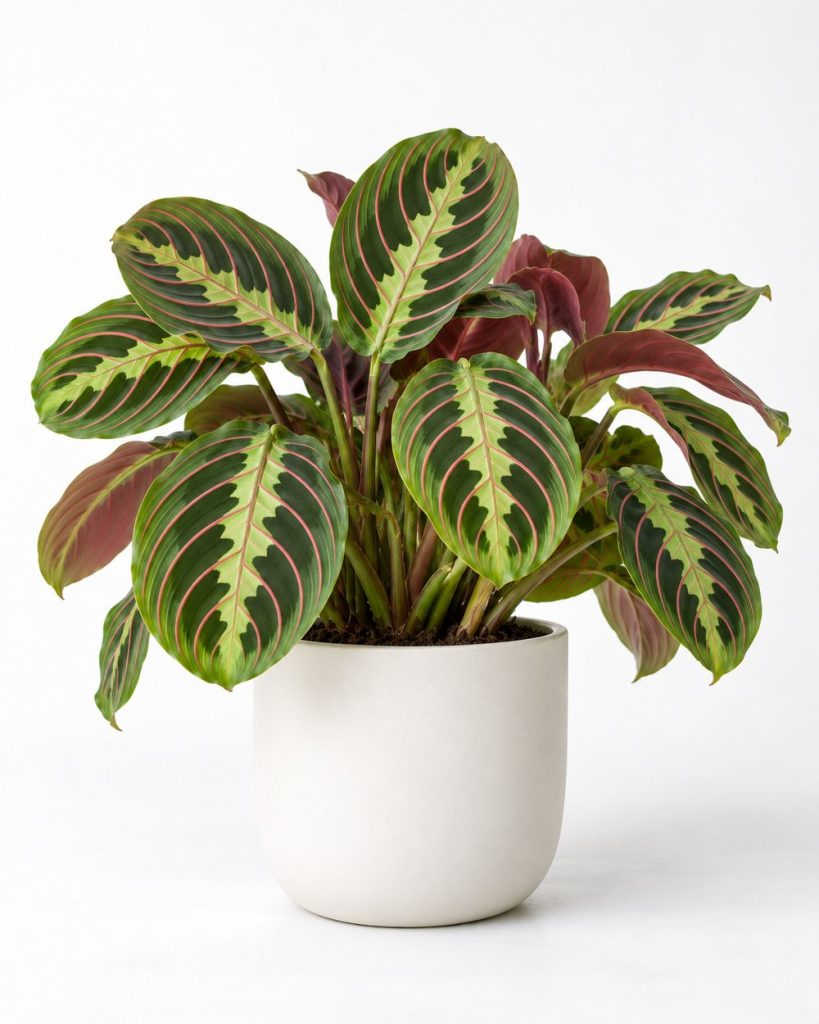
Walk past a prayer plant after dark and you may think something is wrong. The leaves that lay flat at noon now stand straight up, folded together like hands. By morning they open again. This daily movement is normal, and it is where the name comes from. The leaves are oval and look painted, often deep green with red veins in a feather pattern and darker blotches along each side.
It stays low and wide, rarely taller than a foot, with stems that spill over the rim of the pot as it grows. That makes it a good fit for a shelf, a side table, or a hanging pot in a bright bathroom. The ASPCA lists it as non-toxic to cats and dogs, so it is one of the safer ways to get bold leaf color in a pet home. In summer it grows fast enough that you will see new leaves unroll every few weeks.
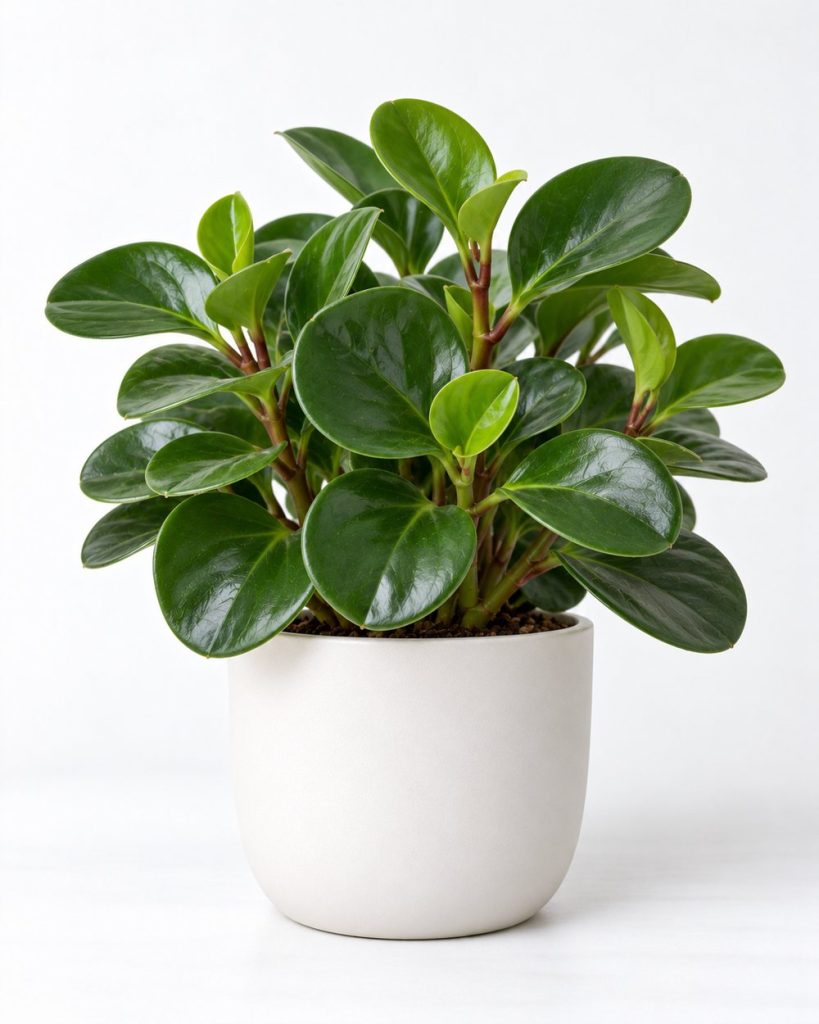
The trade-off is fussiness about water and air. Prayer plant wants soil that stays lightly moist, never soggy and never bone dry. In dry winter air the leaf edges go brown and crispy, and some tap water makes this worse. If you already run a humidifier or have a steamy bathroom with a window, it fits right in. If your home is dry and you water only when you remember, a peperomia will be much less work.
Prayer Plant care
Light
Medium to bright indirect light works best, such as a few feet from an east window. Direct sun fades the pattern and can scorch the leaves within days. In a dim corner it lives, but the stems get long and the colors turn dull. If the leaves stop folding at night, it may be getting too little light.
Watering
Keep the soil lightly moist from spring to fall. Water when the top half inch feels dry, which is often once a week. In winter, let the top inch dry. If you see brown tips, switch to rainwater, filtered water, or tap water left out overnight. Never let the pot sit in a full saucer.
Soil and pot
Use a regular potting mix with a handful of perlite, so it holds moisture but still drains. Prayer plant has shallow roots, so a wide, shallow pot suits it better than a deep one. Plastic and glazed pots keep the soil damp longer, which helps this plant more than clay does.
Humidity and temperature
This is the part that matters most. Aim for at least 50 percent humidity. A small humidifier, a tray of wet pebbles, or a spot in a bright bathroom all help. Grouping plants together raises the moisture a little. Keep it well away from heat vents, which dry the leaves out fast.
Feeding
Prayer plants grow quickly in summer and like small, frequent meals. A weak liquid fertilizer every two weeks from spring through August suits most of them. They are touchy about salt, so brown spots or scorched edges after feeding are a cue to dilute more. Give the pot a full rinse under the tap every second month. Take a break from October until new leaves unroll in spring.
Repotting
Repot every year or two in spring, when roots fill the pot. Choose a pot only an inch or two wider. Old plants can go bare in the middle, and repotting is a good time to trim them back hard. They usually push out fresh leaves within a few weeks.
Propagation
Take a stem cutting just below a node, the small joint where a leaf meets the stem. Put it in a glass of water in bright, indirect light. Roots appear in a few weeks. You can also split a large clump into two or three pieces when you repot, as long as each piece has roots.
Common problems
Why do the leaf edges go brown in winter?
Dry air is the most common cause, with uneven watering and hard tap water close behind. Raise the humidity, keep the soil evenly damp, and try filtered water. Trim the brown edges if they bother you.
Why are the leaves curling?
Curled leaves in the daytime often mean the soil got too dry or the air is very dry. Water it, then check whether the pot dries out faster than you thought. Too much sun can also make the leaves curl.
Why is my prayer plant going yellow?
Yellow leaves with wet soil usually point to too much water or a cold spot. Let the top of the soil dry a little and move the plant away from drafts.
Why does my plant look long and floppy?
It is reaching for light. Move it a little closer to a window and cut the long stems back. New growth comes in fuller, and the cuttings root easily.
Frequently asked questions
Is prayer plant safe for cats?
Yes. The ASPCA lists it as non-toxic to cats and dogs. Eating a lot of leaves may still upset a pet's stomach.
Is a prayer plant the same as a calathea?
No, but they are close cousins in the same plant family and often get mixed up. Prayer plant is smaller and much easier to root from cuttings.
Why do the leaves move?
The plant raises its leaves at night and lowers them in the day, following the light. Sometimes you can even hear them brush together as they rise.
Not sure this plant fits your home?
Take a plant quizSources: www.aspca.org, plants.ces.ncsu.edu