Maidenhair Fern
Adiantum raddianum · also called Delta maidenhair fern, Adiantum
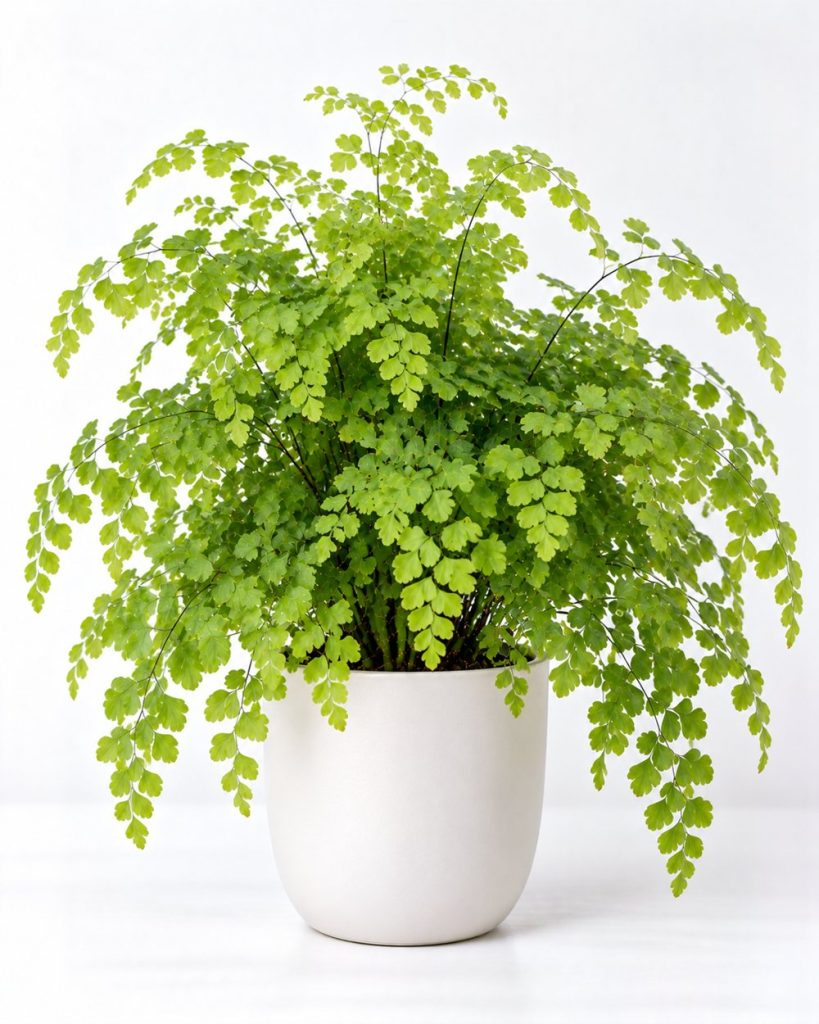
Tiny fan-shaped leaflets on wiry black stems, for humid homes only
- Light
- Bright indirect, Medium light: Bright indirect or medium light, no direct afternoon sun
- Water
- Often twice a week, keep the soil evenly moist
- Difficulty
- Hard
- Pet safety
- Not confirmed safe (no ASPCA listing)
- Size
- Small
- Height
- 1-2 ft tall and wide
- Growth
- Moderate
- Humidity
- Needs high humidity, 50% or more
- Temperature
- 60-75°F
- Good rooms
- Bathroom, Kitchen
Most of us meet the maidenhair fern the same way. It sits in a shop, a soft green cloud of tiny leaflets on stems as thin and dark as fishing line. You take it home. Two weeks later it is a crunchy brown ball. That is not bad luck. It is what this plant does when its soil dries out even once.
Because of that, this is one of the few plants where the warning comes before the praise. It needs soil that stays moist, air that stays humid, and a spot away from heaters and drafts. It also sulks when moved around, so pick its place and leave it there. Get those right and it is a delight. The fronds sway in the slightest breeze, the leaflets are shaped like little fans, and a healthy plant stays a manageable 1 to 2 feet tall and wide.
It suits a bright bathroom with a window, a large terrarium, or the kind of person who checks on plants daily anyway. It does not suit anyone who travels often or forgets watering for a week. On pets, the ASPCA has no listing for it, so we cannot call it safe. Treat it as off limits for chewers unless your vet tells you otherwise. Most garden centers sell the delta maidenhair, Adiantum raddianum, which is the type described here.
Maidenhair Fern care
Light
Bright, filtered light keeps it full and green. An east window works, or a few feet back from a south or west window. Direct afternoon sun burns the leaflets fast. Too much shade makes it thin and weak. If the fronds look sparse and stretched, move it a little closer to the light.
Watering
This is the big one. The soil should feel like a damp sponge at all times. In a warm room that can mean watering two or three times a week. Check by touch every couple of days. Some people set the pot in a bowl of water for 15 minutes, then drain it, so the soil soaks up evenly. Never leave it standing in water for hours.
Soil and pot
Use a light mix that holds moisture, like regular potting soil with some peat or coir and a little perlite. It should stay damp without packing down hard. Plastic or glazed pots keep the soil wet longer than clay, which helps with this plant.
Humidity and temperature
It wants humid air, ideally 50 percent or more. A humidifier is the most reliable fix, and grouping it with other plants helps a little. A bright bathroom is often its best home. Dry winter air from heaters is the fastest way to lose it.
Feeding
Maidenhair roots are thin as hair and burn easily. Stick to a very weak mix, around a quarter strength, and give it only every four to six weeks while new fronds are unrolling. If the fern has crisped up, hold off entirely until fresh growth appears. Too much salt in the soil shows as dark, dry tips on the fronds, so flush the pot now and then.
Repotting
Repot in spring only when roots fill the pot, usually every year or two. Go up one small size. Maidenhair prefers a snug pot. Too much extra soil stays soggy around the thin roots. Water well afterward and keep it out of drafts while it settles.
Propagation
Division is the simple route. In spring, slide the plant out and cut the clump of creeping roots into two or three pieces with a clean knife. Each piece needs roots and a few fronds. Pot them in damp mix and keep them humid while they settle. Ferns also spread by spores, but that takes a long time.
Common problems
My fern dried out and went crispy. Is it dead?
Often not. Cut every dead frond down to the soil and keep the soil moist. If the roots are still alive, new fiddleheads usually appear within a few weeks.
Why are only the frond tips turning brown?
Brown tips mean the air is too dry or the soil dipped toward dry. Raise the humidity and check the soil more often. Trim the brown parts away.
Why do leaflets fall off when I touch it?
Shedding like this points to a bad dry spell or a cold draft. Find the cause first. Then cut back the bare stems to make room for new growth.
Why does the soil smell sour?
A sour or rotten smell means the soil has stayed soggy and the roots are suffering. Keep it moist, not wet, and check that water drains freely out of the bottom.
Frequently asked questions
Can I grow maidenhair fern in a terrarium?
Yes, smaller ones do well in a big terrarium or glass cloche, where the air stays humid. Leave some airflow so mold does not take hold.
Should I cut off brown fronds?
Yes, cut them at the base. They will not turn green again, and removing them lets light reach the new growth.
Is maidenhair fern a good first plant?
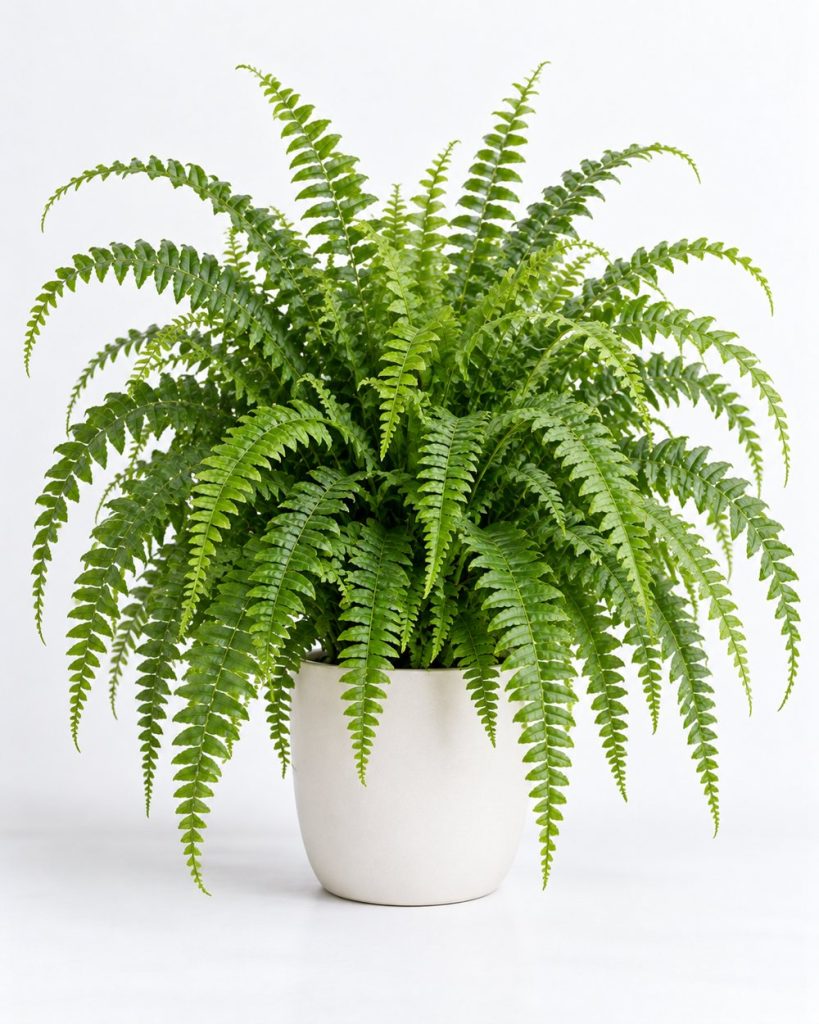
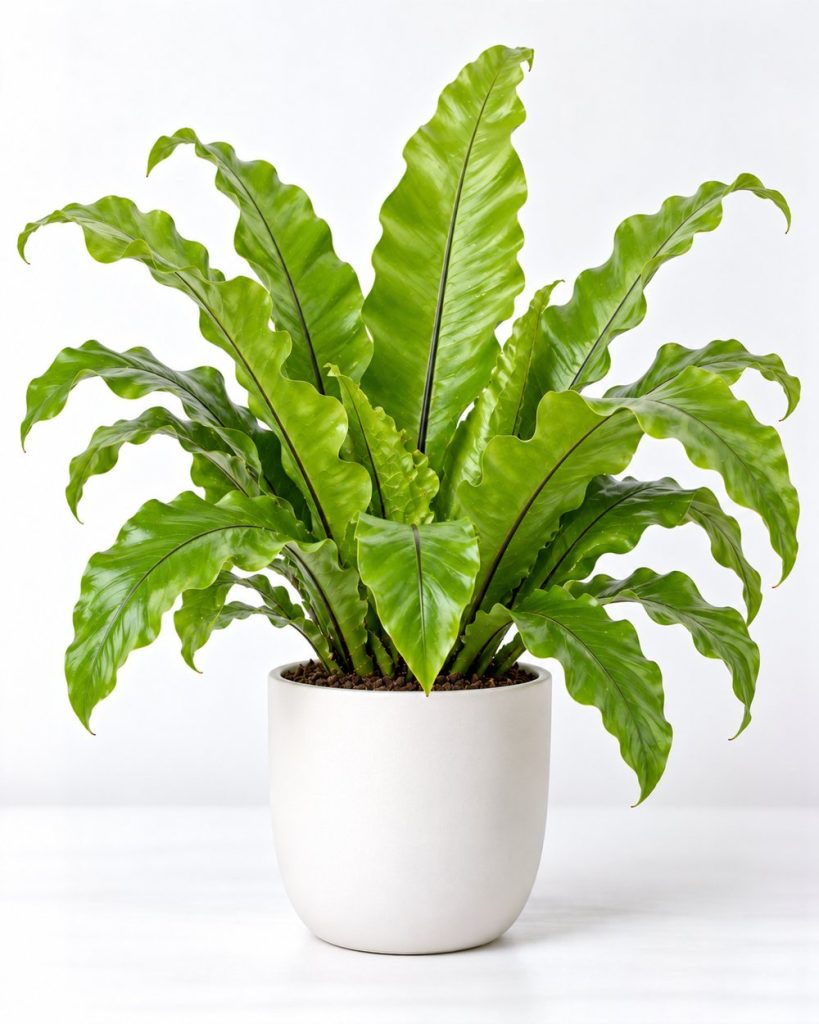
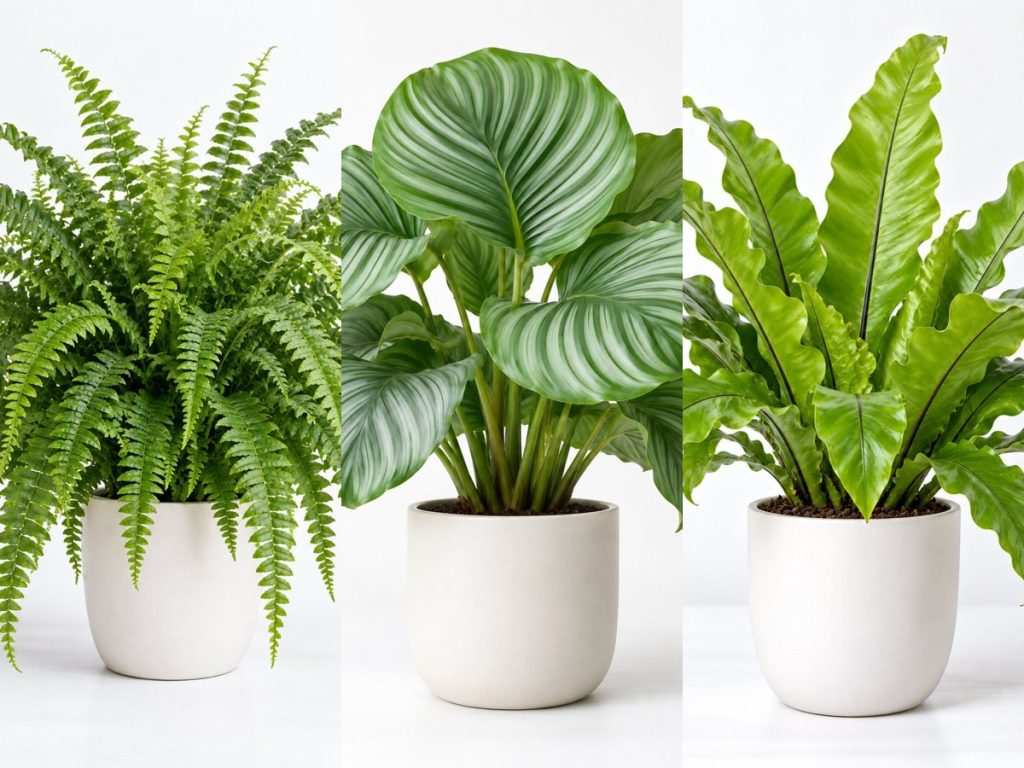
Not really. It is one of the harder common houseplants. A bird's nest fern or Boston fern gives you the fern look with less risk.
Not sure this plant fits your home?
Take a plant quizSources: plants.ces.ncsu.edu, www.aspca.org